Why a Round Marble Dining Table Suits Many Homes
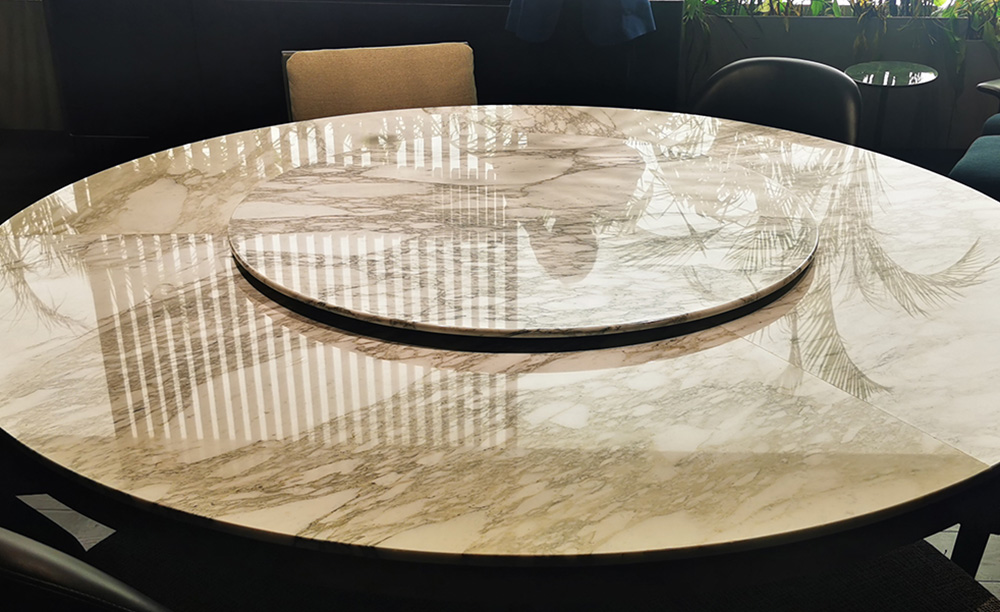
A round marble dining table combines two design qualities that work well together in everyday living spaces: the soft, sociable shape of a circular tabletop and the natural elegance of marble. The rounded edges eliminate sharp corners, making the table safer in homes with children and easier to navigate in smaller dining rooms where rectangular tables can feel cumbersome. Because everyone seated at a round table is roughly equidistant from one another, conversation flows more naturally, which is one reason round tables are often favored for family meals and casual entertaining.
Marble adds a layer of visual richness that few other materials can match. Its natural veining means no two tabletops look exactly alike, giving each table a one-of-a-kind appearance. Beyond aesthetics, marble is also valued for its cool touch, which makes it pleasant to dine on in warmer climates, and for its durability when properly sealed and maintained.
Choosing the Right Marble Type
Not all marble is created equal, and the type you choose affects both appearance and long-term maintenance. The table below outlines some commonly used marble varieties for dining tables.
| Marble Type |
Appearance |
Durability |
| Carrara Marble |
White background with soft gray veining |
Moderate, requires regular sealing |
| Calacatta Marble |
Bright white with bold, dramatic veining |
Moderate, premium and porous |
| Emperador Marble |
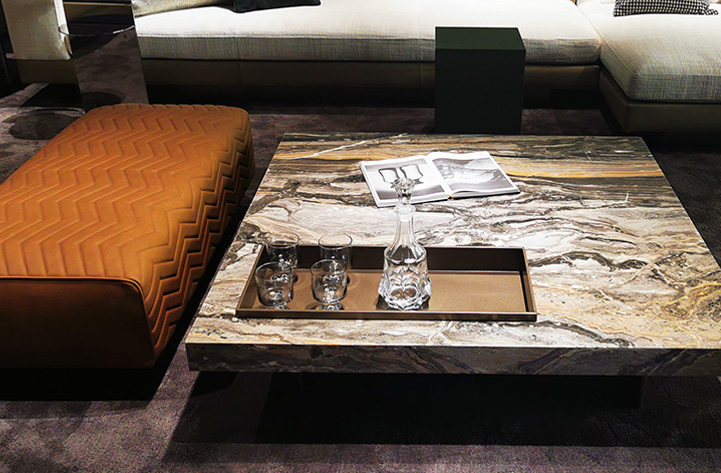
Rich brown tones with fine veining |
Good, hides minor staining well |
| Green Marble |
Deep green with white or gold veining |
Moderate, striking statement piece |
Lighter marbles like Carrara and Calacatta tend to show etching and staining more visibly, while darker marbles such as Emperador can mask minor wear. If your household uses the dining table frequently for meals involving acidic foods or red wine, choosing a darker stone or applying a high-quality sealant becomes especially important.
Selecting the Correct Table Size
Sizing a round table correctly ensures comfortable seating without overcrowding the room. As a general guideline, round tables work best when their diameter accommodates roughly 24 to 26 inches of seating space per person around the edge.
- A 36 to 42 inch diameter table comfortably seats two to four people and works well for small kitchens or breakfast nooks.
- A 48 inch diameter table typically seats four to five people and suits medium-sized dining rooms.
- A 54 to 60 inch diameter table can seat five to six people and is a popular choice for families who entertain occasionally.
- Tables larger than 60 inches in diameter generally require a more spacious dining area to leave room for chairs and walking clearance.
Beyond the table itself, leave at least 36 inches of clearance between the table edge and surrounding walls or furniture so chairs can be pulled out and guests can move around freely.
Base Styles and Their Practical Impact
The base supporting a round marble top affects both stability and legroom, and several styles are commonly available.
Pedestal Base
A single central pedestal base maximizes legroom by eliminating obstructions near the table's edge, which makes seating arrangements more flexible. This style pairs particularly well with round tabletops because the symmetry of a centered pedestal complements the circular shape.
Multi-Leg Base
Three or four-leg bases distribute weight across multiple contact points, which can provide extra stability for larger or heavier marble tops. However, legs positioned near the perimeter may slightly limit where chairs can be placed, so it is worth checking leg placement against your intended seating layout before purchasing.
Caring for a Marble Dining Table
Marble is porous and reacts to acidic substances, so consistent care helps preserve its appearance over time. The following practices will help keep a round marble dining table looking its best for years.
- Wipe spills immediately, especially from wine, coffee, citrus juice, or vinegar-based dressings, since these can etch the surface if left to sit.
- Use coasters and placemats under glasses, plates, and hot dishes to prevent rings, scratches, and heat marks.
- Clean the surface regularly with a pH-neutral stone cleaner rather than household cleaners containing vinegar, ammonia, or bleach.
- Reapply a penetrating sealant every six to twelve months, depending on usage, to maintain the marble's resistance to staining.
- Avoid dragging heavy objects across the surface, as marble can chip or scratch more easily than engineered stone alternatives.
Matching the Table to Your Interior Style
Round marble dining tables adapt well to a variety of design aesthetics depending on the base material and finish chosen. A polished white marble top paired with a brass or gold pedestal base creates a glamorous, contemporary look suited to modern apartments and upscale dining areas. A honed marble finish with a matte black or wood base lends itself to minimalist or Scandinavian-inspired interiors. For traditional or transitional spaces, a marble top with a carved wood or wrought iron base can introduce timeless elegance without feeling overly modern. Considering how the table's finish and base will interact with existing flooring, lighting fixtures, and surrounding furniture helps ensure the final piece feels intentional rather than mismatched within the room.



 English
 Français
 عربى
عربى italiano