Introduction: The Durability of Marble Wall Tiles in High-Traffic Areas
Marble wall tiles are renowned for their luxurious appearance and timeless appeal. However, when it comes to using marble in high-traffic areas—such as entryways, kitchens, and bathrooms—a common concern is whether they can withstand heavy use without showing wear. In this article, we'll examine the durability of marble wall tiles, how they perform in high-traffic environments, and what you can do to maintain their pristine look.
What Makes Marble Wall Tiles Durable?
Marble is a natural stone that has been used for centuries in construction, particularly for its elegance and durability. The strength of marble comes from its composition, which includes crystalline calcium carbonate. While it's a dense material, its ability to withstand wear and tear depends on several factors such as finish, thickness, and proper maintenance.
Marble wall tiles are often polished or honed to enhance their beauty. Polished marble tiles have a smooth, glossy surface that reflects light, while honed tiles have a matte finish. Both finishes have their pros and cons when used in high-traffic areas.
Key Factors Affecting Marble's Durability
- Density: Denser marble is less porous and more resistant to scratches and stains.
- Finish: Polished marble is more susceptible to scratches, while honed marble is better at resisting abrasion.
- Maintenance: Regular cleaning and sealing can prolong the life of marble and prevent damage.
How Marble Performs in High-Traffic Areas
In high-traffic areas, marble can perform well, but it requires careful consideration of the specific environment. For example, in residential spaces, marble is commonly used for wall applications in kitchens and bathrooms. However, in commercial spaces or other high-traffic environments, the tile's susceptibility to heavy impact and staining must be addressed.

Marble in Kitchens
Kitchens are one of the most demanding environments for wall tiles, with grease splatters, cooking spills, and frequent cleaning. Marble wall tiles can handle exposure to water and heat, but they are more prone to staining if not sealed properly. Acidic substances like lemon juice or vinegar can etch the surface of polished marble, so it’s essential to clean up spills immediately and seal the tiles regularly to protect the surface.
Marble in Bathrooms
Bathrooms are another common area where marble wall tiles are used, particularly for their elegant aesthetic in showers or as part of a vanity backsplash. While marble can withstand high humidity and moisture, it is important to ensure proper sealing to avoid water penetration, which could cause the tiles to stain or degrade over time.
Commercial and High-Traffic Spaces
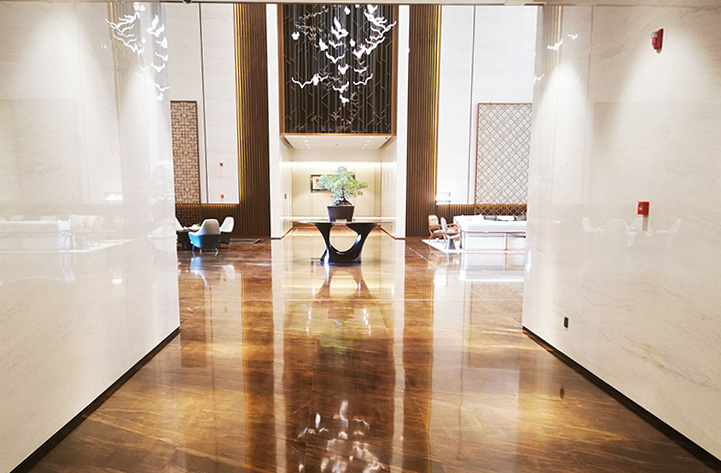
In commercial spaces such as hotels, malls, or office buildings, marble wall tiles are often chosen for their appearance and longevity. However, the sheer volume of foot traffic and the potential for physical impact mean that it’s crucial to select a higher-quality, denser marble with the proper finish. In these spaces, honed marble may be more suitable due to its resistance to scratches and abrasions.
Pros and Cons of Using Marble Wall Tiles in High-Traffic Areas
Like any material, marble has both advantages and limitations when used in high-traffic areas. Here, we explore the pros and cons of using marble wall tiles in such environments.
Pros of Marble Wall Tiles
- Elegance and Luxury: Marble’s timeless appeal adds sophistication to any space, making it ideal for high-end residential or commercial projects.
- Heat Resistance: Marble can withstand heat and is commonly used near ovens or stovetops in kitchens.
- Long-Lasting: When properly maintained, marble can last for many years without significant wear.
Cons of Marble Wall Tiles
- Susceptible to Staining: Without proper sealing, marble can absorb liquids and become stained by oils, acidic substances, or food spills.
- Prone to Scratching: Polished marble is more susceptible to scratches and abrasion, which can detract from its appearance in high-traffic areas.
- Requires Regular Maintenance: To keep marble looking its best, it needs to be cleaned regularly and resealed every year to protect it from moisture and stains.
Maintaining Marble Wall Tiles in High-Traffic Areas
Proper maintenance is key to ensuring that marble wall tiles remain durable and beautiful over time, particularly in high-traffic environments. Here are some maintenance tips to help preserve the integrity of your marble tiles:
Sealing Marble Wall Tiles
Marble should be sealed to protect it from staining and moisture damage. Sealant forms a protective layer on the surface of the tile, making it resistant to spills and preventing liquids from being absorbed into the stone. For high-traffic areas, it is recommended to reseal marble tiles at least once a year.
Cleaning Marble Wall Tiles
To clean marble wall tiles, use a pH-balanced cleaner or a mixture of warm water and mild soap. Avoid harsh chemicals like vinegar or bleach, as they can damage the surface. Gently wipe the tiles with a soft cloth or sponge to remove dirt and grime. For tougher stains, consult a professional stone cleaner.
Dealing with Scratches and Chips
If marble wall tiles become scratched or chipped, it’s best to seek professional repair. While minor surface scratches can be buffed out, deep cracks may require more extensive restoration.
Conclusion
Marble wall tiles can be an excellent choice for high-traffic areas when selected and maintained properly. With the right type of marble, finish, and regular care, these tiles can provide lasting beauty and functionality in kitchens, bathrooms, and even commercial spaces. However, it’s important to consider the specific needs of your space and apply appropriate maintenance practices to ensure the longevity and durability of your marble tiles.



 English
 Français
 عربى
عربى italiano