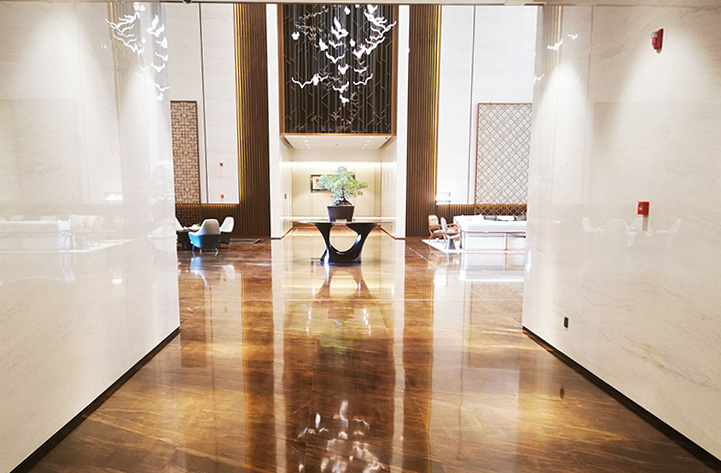
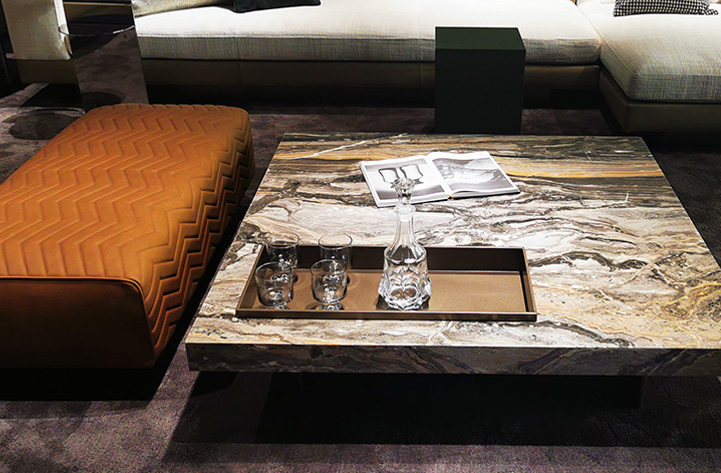
Marble floor tiles have long been associated with luxury, durability, and timeless architectural beauty. They appear in residential homes, commercial buildings, luxury hotels, and high-end retail stores. Despite their popularity, choosing the right marble tile involves understanding its geological characteristics, performance, aesthetic types, installation needs, and maintenance requirements. This detailed guide explores the practical aspects you should know before selecting marble floor tiles and how they can best complement modern interiors.
What Are Marble Floor Tiles Made Of?
Marble is a natural metamorphic stone formed when limestone undergoes heat and pressure within the Earth’s crust. This transformation results in a crystalline rock known for its unique veining patterns and polished surface. Because marble is a natural material, every tile is distinct in color variation, veining intensity, and texture, making marble a highly personalized flooring choice.
Key Material Characteristics
- High-density structure that enhances strength and durability.
- Calcium carbonate composition makes it sensitive to acids.
- Natural veining and color variations defined by mineral impurities.
- Capable of high polishing, providing a glossy and reflective finish.
Types of Marble Floor Tiles
Marble tiles come in multiple varieties, each offering unique aesthetic qualities and performance benefits. Understanding the different types helps in selecting the best option for specific interior designs or usage environments.
Common Types of Marble
| Marble Type |
Appearance |
Application |
| Carrara Marble |
Soft white with light gray veins |
Living rooms, bathrooms, walls |
| Calacatta Marble |
Bold thick veining with strong contrast |
Luxury commercial or residential floors |
| Emperador Marble |
Rich brown tones with white veins |
Lobbies, hotel floors, office spaces |
Finishing Options
- Polished finish for glossy and reflective surfaces.
- Honed finish for matte, slip-resistant textures.
- Brushed finish to highlight natural stone textures.
- Tumbled finish for an antique or rustic surface look.
Where Are Marble Floor Tiles Most Commonly Used?
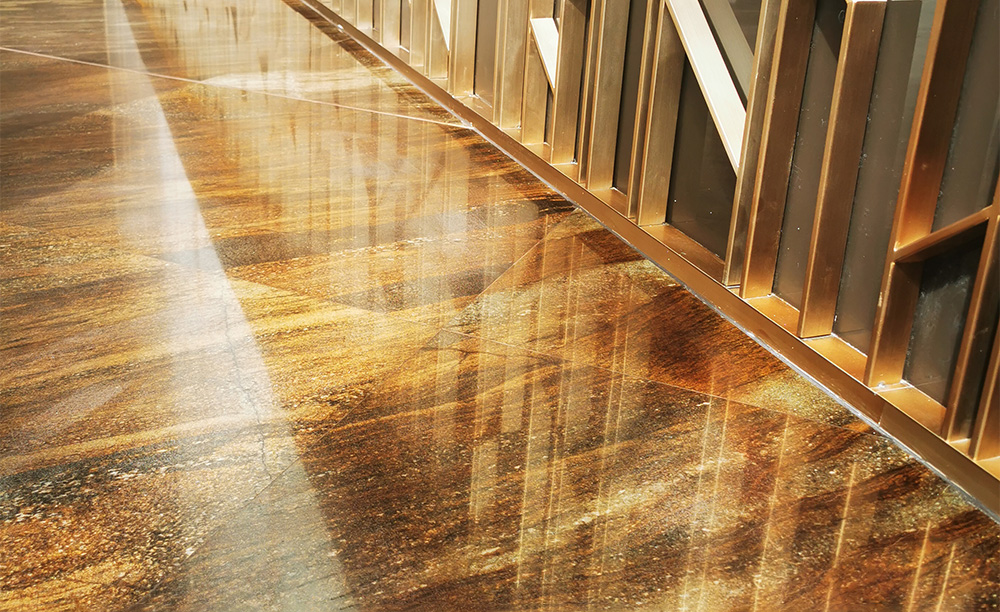
Marble tiles are used in both functional and decorative applications. Their beauty enhances visual appeal, while their durability makes them suitable for high-traffic areas. However, choosing the right finish and type based on location is essential for long-term performance.
Suitable Application Areas
- Residential flooring in living rooms, hallways, and bedrooms.
- Bathroom floors and walls with honed or textured finishes.
- Hotel lobbies and reception areas for luxury appearances.
- Commercial retail spaces where premium aesthetics are required.
- Kitchen floors, provided proper sealing and maintenance are performed.
How to Choose the Right Marble Floor Tiles?
Selecting the best marble floor tiles requires evaluating several factors including room function, durability expectations, color tone, size, and long-term maintenance commitments. These considerations help ensure a flooring solution that remains aesthetically pleasing and structurally reliable.
Key Factors to Consider
- Tile hardness and suitability for high-traffic areas.
- Color matching for consistent interior design alignment.
- Moisture absorption level for kitchens or bathrooms.
- Slip resistance based on finish type.
- Availability of replacement tiles with similar veining patterns.
- Cost differences between imported and domestic marble.
How Are Marble Floor Tiles Installed?
Installation plays a pivotal role in ensuring the longevity and appearance of marble flooring. Proper surface preparation, choosing the right adhesives, following correct laying patterns, and conducting post-installation treatments all influence the final result.
Installation Steps
- Leveling the subfloor and ensuring structural stability.
- Applying a high-quality natural stone adhesive.
- Arranging tiles according to a vein-matching layout.
- Using spacers to maintain consistent grout lines.
- Sealing the marble immediately after installation.
How Do You Maintain and Protect Marble Floor Tiles?
Although marble offers exceptional beauty, it requires responsible care to maintain its finish and structural integrity. Regular maintenance prevents stains, scratches, and dullness that may occur over time, especially in high-traffic environments.
Maintenance Guidelines
- Clean spills immediately to prevent staining from acidic liquids.
- Use pH-neutral cleaners to avoid chemical reactions with calcium carbonate.
- Apply a sealant every 6–12 months to protect the surface.
- Use soft pads under furniture to avoid scratching.
- Polish professionally every few years for long-term shine.
Conclusion: Are Marble Floor Tiles the Right Choice for You?
Marble floor tiles offer unmatched beauty, durability, and a premium look that enhances the value of any interior space. When chosen correctly and maintained properly, marble can last for decades while preserving its natural elegance. Whether you are designing a luxury home or a high-end commercial setting, understanding the material’s characteristics, available types, installation requirements, and long-term care needs will help you make a confident and informed decision.



 English
 Français
 عربى
عربى italiano