Introduction to Marble Wall Cladding
Marble wall cladding is a premium architectural solution used to enhance the aesthetics and durability of walls. Known for its natural elegance, timeless beauty, and versatility, marble cladding is widely applied in residential, commercial, and public spaces. When considering whether it can be used indoors or outdoors, several factors, including environmental exposure, maintenance requirements, and installation methods, must be examined.
Indoor Applications of Marble Wall Cladding
Indoor spaces are ideal for marble wall cladding due to controlled environmental conditions. Marble can elevate the look of interiors, adding sophistication and value to homes, offices, and luxury establishments. Popular indoor applications include living rooms, kitchens, bathrooms, lobbies, and feature walls.
Living Rooms and Lobbies
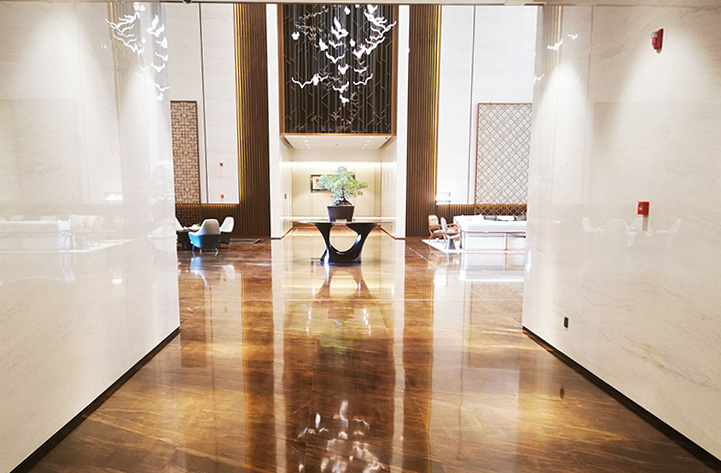
In living areas, marble wall cladding can create a striking visual impact. Polished marble finishes reflect natural and artificial light, making spaces feel brighter and more expansive. In lobbies or reception areas, marble cladding conveys a sense of luxury and professionalism.
Bathrooms and Kitchens
Marble is resistant to water when properly sealed, making it suitable for bathrooms and kitchens. For wet areas, honed or matte finishes are often preferred to prevent slipping and staining. Marble can be used for full wall cladding behind bathtubs, shower areas, or kitchen backsplashes.
Fireplaces and Feature Walls
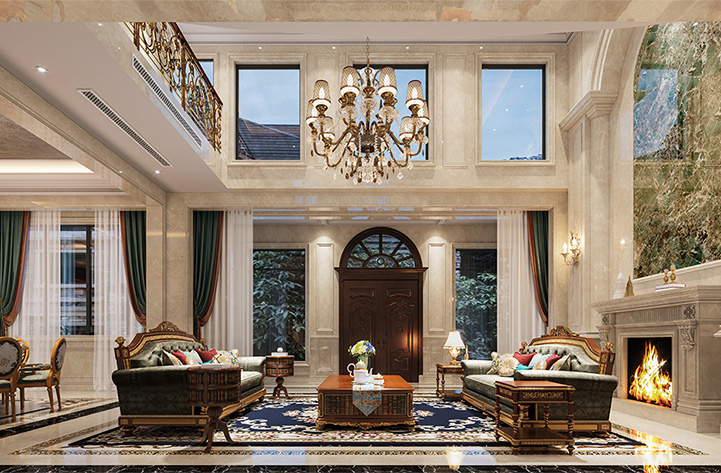
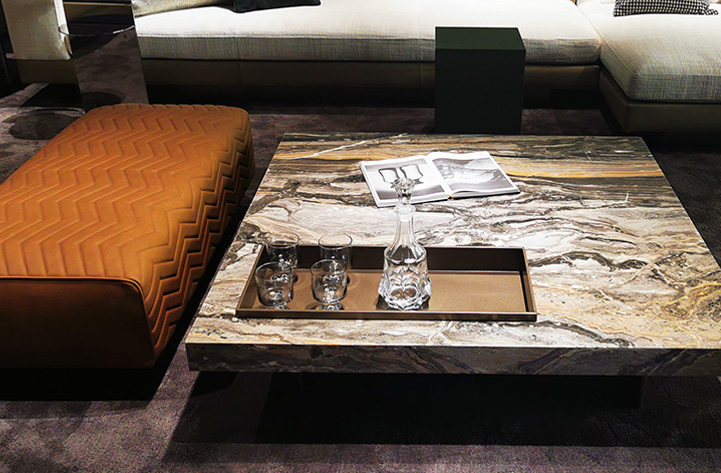
Marble wall cladding enhances the focal points of interior spaces. Around fireplaces, marble provides both heat resistance and aesthetic appeal. Feature walls in bedrooms or dining areas benefit from marble’s unique patterns and veining, creating luxurious accents without overwhelming the space.
Outdoor Applications of Marble Wall Cladding
Using marble outdoors requires careful selection of marble type, surface finish, and installation techniques to withstand environmental stressors such as UV exposure, rainfall, temperature fluctuations, and pollution. Outdoor applications commonly include façades, garden walls, pillars, terraces, and exterior feature walls.
Façades and Exterior Walls
Marble façades create a high-end exterior look, ideal for hotels, commercial buildings, and upscale residences. Engineered installation methods, such as mechanical anchors and proper waterproofing, are essential to ensure longevity. Marble must be sealed to protect against moisture ingress, staining, and weather-induced damage.
Garden Walls and Landscaping
Marble can be used as cladding for garden walls, planters, and outdoor water features. Its natural appearance complements landscaping designs and provides durability against environmental wear. For outdoor landscaping, textured or flamed finishes are preferred to reduce slipperiness and increase resistance to staining.
Columns and Architectural Features
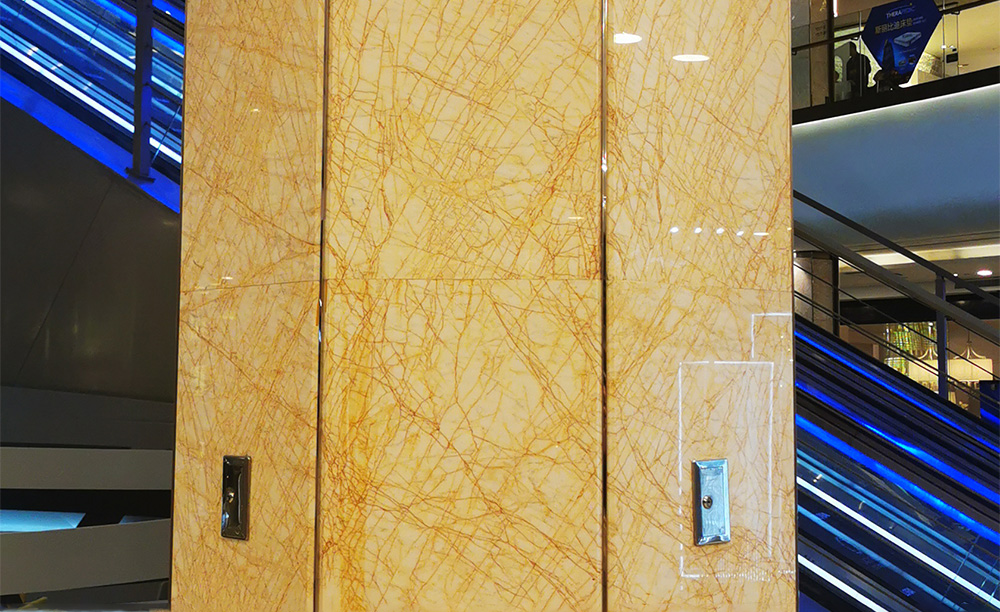
Decorative columns, pergolas, and façade details benefit from marble wall cladding’s aesthetic appeal and durability. Outdoor columns often use thicker marble panels and robust anchoring systems to withstand structural loads and environmental stress.
Factors to Consider for Indoor vs. Outdoor Use
Not all marble types and finishes are suitable for both indoor and outdoor applications. Several factors influence performance and maintenance requirements.
Marble Type and Composition
Certain marbles, like Carrara or Calacatta, are best suited for indoor use due to their softer composition and higher susceptibility to weathering. Denser marbles like Granite Marble blends or local outdoor-rated stones perform better in exterior applications.
Surface Finish and Texture
Polished marble offers a glossy look ideal for indoor walls but can become slippery outdoors. Textured, flamed, or honed finishes are recommended for outdoor cladding to improve slip resistance and weather durability.
Sealing and Maintenance
Sealing marble surfaces protects against stains, water damage, and environmental discoloration. Indoor marble requires periodic sealing every 12–24 months, whereas outdoor marble may need more frequent treatments due to exposure to UV rays, rain, and pollution.
Installation Method
Indoor installation often involves adhesive bonding to drywall or concrete surfaces. Outdoor installation may require mechanical anchoring, expansion joints, and waterproof backings to accommodate thermal expansion and prevent detachment or cracking.
Advantages of Using Marble Wall Cladding Indoors and Outdoors
Marble wall cladding offers numerous benefits, making it a preferred choice for both interior and exterior design.
- Elegant and luxurious appearance enhances property aesthetics.
- Durable and long-lasting when properly installed and maintained.
- Versatile application in both modern and classical designs.
- Reflective qualities improve natural lighting indoors.
- Resistant to heat, suitable for fireplaces and kitchens.
- Outdoor varieties withstand weathering and UV exposure with proper care.
Limitations and Considerations
Despite its advantages, marble has limitations that should be considered when deciding on its indoor or outdoor use.
- High cost compared to other wall cladding materials.
- Requires regular maintenance and sealing to preserve appearance.
- Polished marble may be slippery in wet conditions.
- Soft marbles may be prone to scratching and chipping outdoors.
- Color variations and veining patterns require careful selection for consistency.
Installation Techniques for Optimal Performance
Proper installation ensures the longevity and performance of marble wall cladding. Different techniques apply for indoor and outdoor applications.
Indoor Installation
Indoor marble cladding typically uses adhesive bonding to secure panels to concrete, drywall, or plaster surfaces. A high-quality epoxy or cementitious adhesive is recommended to prevent detachment and ensure stability. Minimal joints are used for a seamless look.
Outdoor Installation
Outdoor marble cladding often requires mechanical anchoring using stainless steel brackets or anchor systems. Expansion joints are crucial to accommodate thermal expansion. A waterproof membrane or backer board may be installed to protect the structure from moisture infiltration.
Comparison Table: Indoor vs Outdoor Marble Cladding
| Feature |
Indoor Use |
Outdoor Use |
| Marble Type |
Carrara, Calacatta, Statuario |
Denser or outdoor-rated marble varieties |
| Finish |
Polished, honed |
Textured, flamed, honed |
| Maintenance |
12–24 months sealing |
Frequent sealing due to weather exposure |
| Installation |
Adhesive bonding |
Mechanical anchors, waterproof backing |
| Durability |
High, controlled environment |
High if properly installed and sealed |
Conclusion
Marble wall cladding can indeed be used both indoors and outdoors, provided the correct marble type, surface finish, and installation methods are selected. Indoor applications focus on elegance and seamless aesthetics, while outdoor uses emphasize durability and weather resistance. With proper maintenance, marble cladding can enhance the value, beauty, and sophistication of any space for decades.



 English
 Français
 عربى
عربى italiano