Choosing the right benchtop material is one of the most important decisions in a kitchen renovation. Marble, quartz, and granite are three of the most popular choices, each with distinct strengths and trade-offs. This article compares them across the practical factors homeowners and designers care about most: durability, stain and scratch resistance, heat tolerance, maintenance, cost, aesthetics, sustainability, installation, and resale value. The goal is to give clear, actionable guidance so you can match material selection to real-life kitchen use, budget, and style priorities.
Material Basics and How They Are Made
Kitchen Marble Benchtops is a natural metamorphic stone formed by recrystallized carbonate minerals—primarily calcite. Its beauty comes from veining and a translucent, soft sheen. Granite is also natural but igneous, composed of interlocking crystals of quartz, feldspar, and mica, making it generally harder and denser than marble. Quartz benchtops are engineered: ground natural quartz mixed with resins and pigments produces a non-porous, uniform slab. Understanding these origins explains many performance differences—marble’s calcite base is softer and more reactive to acids, while quartz’s resin binder changes how it handles heat and scratches.
Durability: Scratches, Chips, and Impact
Granite is the hardest of the three and resists scratching and chipping better than marble or quartz in most cases. Marble scores lower because calcite is softer, meaning knives or heavy impacts can gouge the surface. Quartz is highly scratch-resistant due to its high quartz content and engineered composition, though very hard impacts on the resin component can cause chips or fractures. For households with heavy daily use, kids, or frequent food prep directly on the surface, granite or quartz typically offers greater long-term resilience.
Stain Resistance and Porosity
Porosity governs stain susceptibility. Marble is porous and chemically reactive—acids like lemon juice, wine, or vinegar can etch and discolor the finish if not wiped quickly. Granite is less porous but still benefits from proper sealing to resist oil and wine stains. Quartz is non-porous because of the resin binder, making it the best performer for stain resistance; persistent spills are less likely to penetrate the surface. For busy kitchens or owners seeking low-maintenance surfaces, quartz provides clear advantage in everyday stain-prone environments.
Heat Resistance and Thermal Shock
Granite handles heat well — hot pots placed briefly on granite are unlikely to cause damage. Marble tolerates moderate heat but may suffer thermal shock if exposed to sudden, extreme temperature changes; thermal discoloration and micro-cracking are possible. Quartz performs variably: higher-end quartz can tolerate some heat, but the resin component can scorch or deform if exposed to continuous high temperatures or very hot pots without a trivet. For avid cooks who frequently place hot pans on the benchtop, granite is generally safer; always use trivets for any engineered surface to protect finishes.
Maintenance and Long-Term Care
Marble requires the most maintenance: regular sealing, gentle cleaners, and quick cleanup of acidic spills. Polishing can restore luster but will not reverse deep etches. Granite needs periodic sealing (frequency depends on porosity and sealant type) and standard stone cleaners for best results. Quartz is the easiest to care for: everyday soap and water or mild detergent is usually sufficient, and resealing is not necessary. However, all three benefit from routine care to preserve finish and hygiene.
Aesthetics and Visual Impact
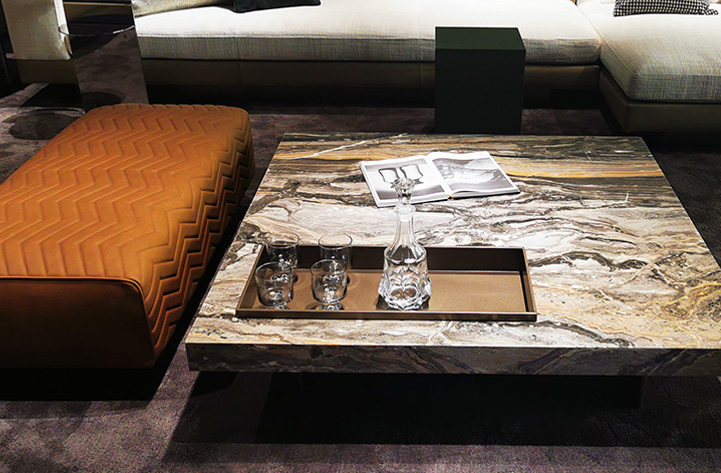
Aesthetics are a key reason many choose marble: its natural veining and soft translucency can create a luxurious, timeless look, especially in lighter kitchens. Granite offers a wide range of natural patterns and colors with a crystalline texture—each slab is unique and often bold. Quartz provides consistent patterns and a nearly unlimited color palette thanks to pigments and engineered designs; it can mimic marble or present sleek, uniform surfaces. The choice often comes down to whether you prefer natural variation (marble, granite) or controlled uniformity (quartz).
Cost Comparison and Value
Material and installation costs vary significantly by grade and region. Marble is frequently in the mid-to-high price range depending on rarity and finish. Granite covers a broad range from budget-friendly to premium exotic slabs. Quartz tends to be consistent and often sits in the mid-to-high price range because of manufacturing costs and brand markup. Installation costs reflect material weight, slab size, and fabrication complexity; exotic stones with heavy veining or book-matched patterns typically cost more to fabricate and install.
Sustainability and Environmental Considerations
Natural stones require quarrying, which has a land and carbon impact, while engineered quartz requires energy-intensive manufacturing and resin binders derived from petrochemicals. Recycled-content quartz options exist that reduce environmental footprint. Consider life-cycle impacts: a long-lived, well-maintained stone may offset initial environmental costs through decades of service. Local sourcing and recycled-content materials can minimize transport and embodied carbon.
Installation, Fabrication, and Edge Profiles
Natural stone slabs require careful selection to avoid visible seams and to align veining. Marble and granite often demand more skilled fabrication for polishing and edge work. Quartz is easier to fabricate consistently, and its uniformity simplifies matching across seams. Edge profiles and backsplash integration also affect cost; complex miters and waterfall edges increase fabrication time and price regardless of material. Choose experienced fabricators and request site templates to ensure accurate fit and finish.
Resale Value and Market Preferences
Marble signals luxury and can be a selling point for high-end homes, but potential buyers aware of marble’s maintenance needs might prefer lower-upkeep surfaces. Granite is broadly popular and widely perceived as a premium, durable surface that helps resale value. Quartz’s modern, low-maintenance image appeals to busy families and contemporary buyers. Local market trends matter: check comparable homes and buyer preferences in your area before committing.
Practical Recommendations and Best Uses
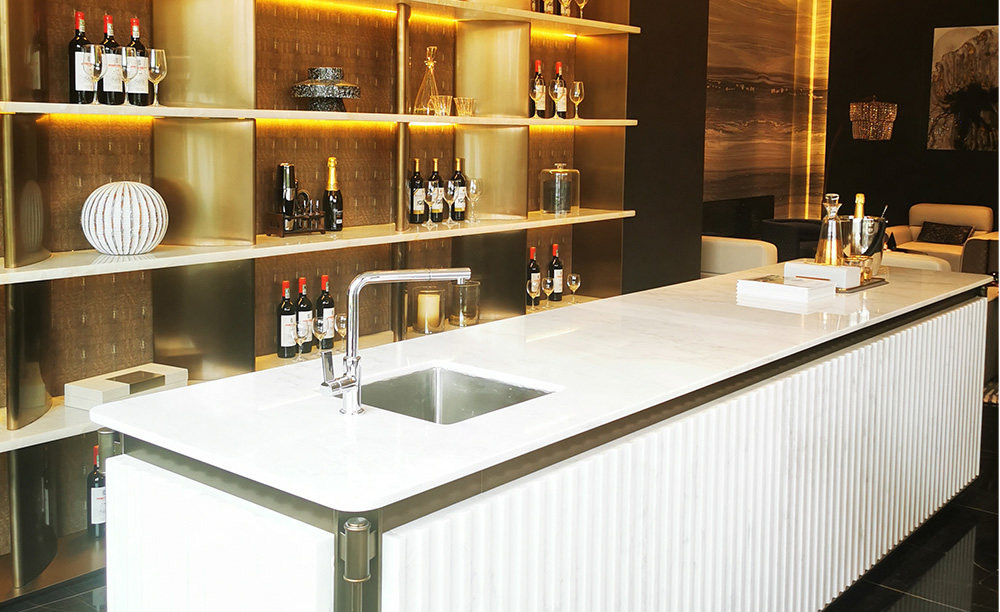
Match material to kitchen use and lifestyle. Choose marble for showpiece islands, baking countertops where cool surfaces aid pastry work, or areas with low heavy-use exposure. Select granite for heavy-duty kitchens with frequent cooking and hot pots. Choose quartz for family kitchens prioritizing low maintenance, stain resistance, and color consistency. Combination strategies—marble island with quartz perimeter counters—balance aesthetics and practicality.
- Marble: best for low-use show areas and baking prep where coolness matters.
- Granite: ideal for high-heat, high-use kitchens needing durable natural stone.
- Quartz: go-to for low-maintenance, stain-resistant, color-consistent surfaces.
| Feature |
Marble |
Granite |
Quartz |
| Scratch Resistance |
Medium |
High |
High |
| Stain Resistance |
Low |
Medium (with seal) |
High (non-porous) |
| Heat Resistance |
Medium |
High |
Medium (avoid direct hot pans) |
| Maintenance |
High |
Medium |
Low |
| Aesthetic Variation |
High (unique veining) |
High (crystalline patterns) |
Controlled/Uniform |
Buying Checklist and Final Tips
Before you buy, view full slabs (not just photos), request fabrication references, verify warranty and sealant guidance, and factor in installation complexity and seam placement. Ask about polishing finish options and request maintenance recommendations from your fabricator. If in doubt, pair the visual appeal of marble with the practicality of quartz in high-use zones to get the best of both worlds.
Conclusion
Marble, granite, and quartz each bring compelling benefits. Marble offers unmatched elegance but requires care. Granite offers durable natural beauty suited for heavy use. Quartz delivers low-maintenance consistency and stain resistance. The right choice depends on lifestyle, cooking habits, aesthetic priorities, and budget. Use the practical comparisons and checklist above to choose the benchtop that best matches your everyday kitchen life and long-term goals.



 English
 Français
 عربى
عربى italiano