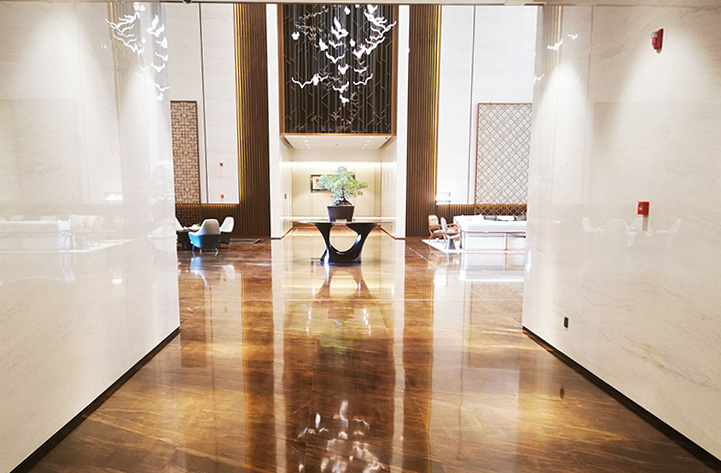
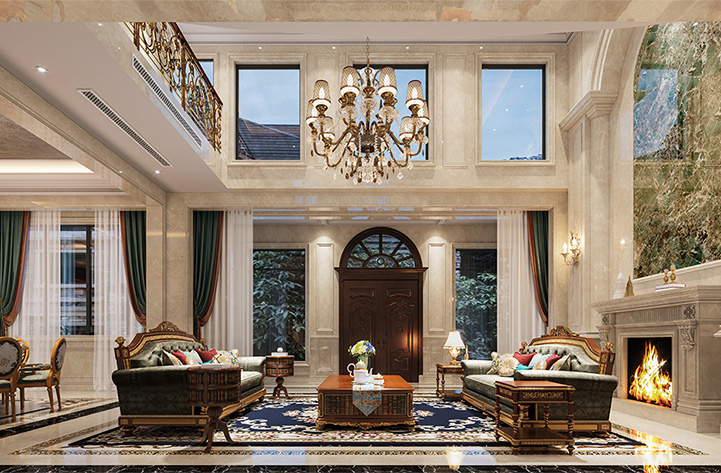
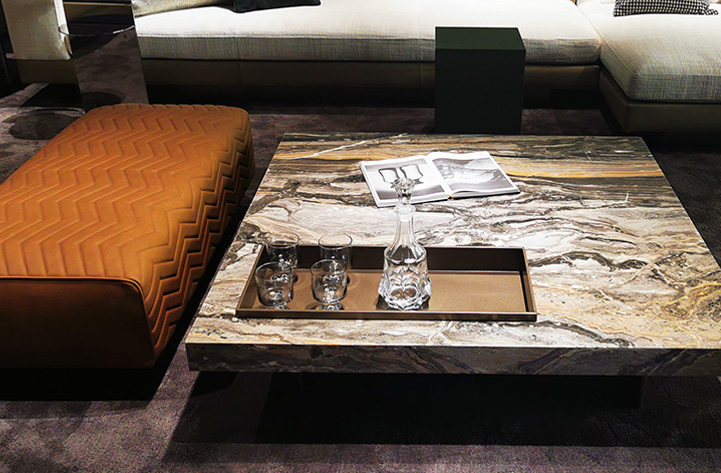
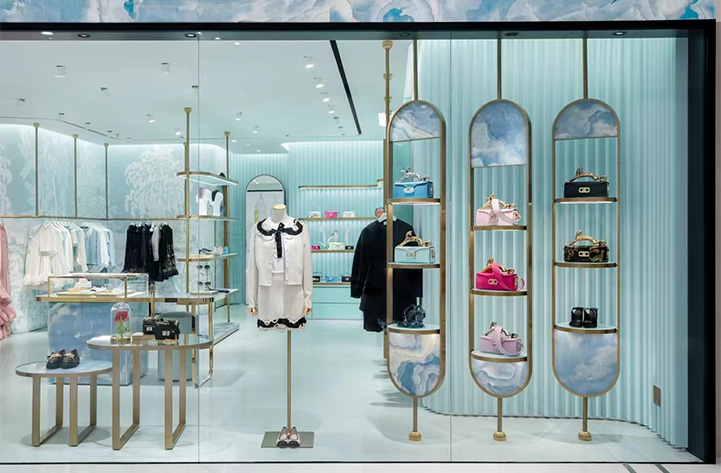
When you walk into a high-end boutique, the materials do more than fill space. A polished stone display plinth, a waterfall marble counter, a jade-finish wall panel — these elements set the tone before a single product is handled. For visual merchandisers and store designers, decorative stone props have become a deliberate tool for communicating brand values: permanence, craft, and close attention to detail.
The challenge, however, is that stone props for luxury retail are not off-the-shelf items. Every store operates with different dimensions, brand guidelines, and display requirements. That is precisely why custom fabrication matters. Working with a manufacturer that understands both natural stone behavior and installation readiness can be the difference between a seamless store opening and costly on-site corrections.
What Counts as a Decorative Stone Prop?
In retail fit-out terminology, stone props are the non-structural stone elements that shape the customer experience. They include display pedestals, feature wall panels, countertops, shelf facings, tables for consultation areas, and sculptural blocks used as brand accents. Unlike architectural cladding, these pieces are designed and finished specifically for retail presentation, which means their edges, surfaces, and dimensions must match the design intent exactly.
This distinction matters more than it may seem. A floor slab or a kitchen countertop follows one set of priorities: flatness, wear resistance, and ease of installation. A luxury store prop follows another: visual consistency, refined detailing, and a finish that photographs well under spotlights. The same block of marble can look ordinary in one application and extraordinary in another, depending on how it is cut, surfaced, and detailed.
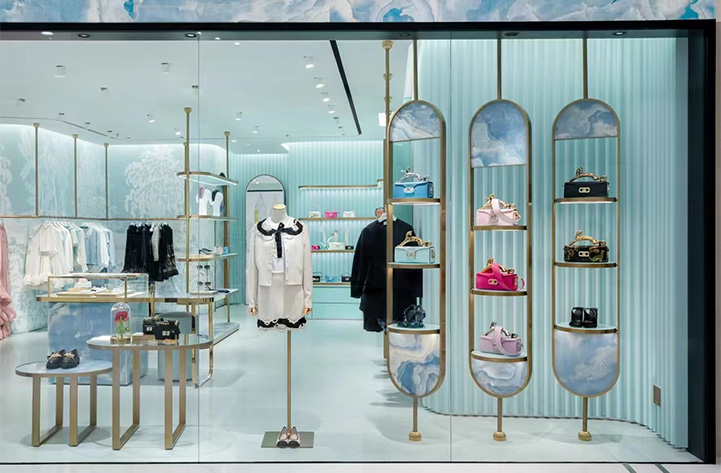 Custom Marble and Stone Props for Luxury Retail DisplaysExplore stone display elements crafted with matched veining and refined detailing, ideal for pedestals, wall panels, and fixtures that must photograph well under spotlights.View Product →
When you brief a supplier, be specific about how the prop will be used. A pedestal under a handbag, for example, needs a flawless top surface and a stable base. A wall panel behind a fragrance display needs matched veining across adjoining sections. Defining these use cases upfront helps the factory choose the right material and processing route.
Choosing the Right Natural Stone for Your Store
The material you choose affects not only appearance but also maintenance, durability, and long-term cost. Luxury stores typically work with five categories of natural stone.
Material selection depends on the visual effect you want and the level of upkeep your store team can sustain.
| Material |
Character |
Best Suited For |
Maintenance |
| Marble |
Veined, polished, classic |
Feature walls, counters, pedestals |
Sealing required |
| Granite |
Dense, speckled, highly durable |
High-traffic floors, bases, plinths |
Low maintenance |
| Travertine |
Porous, warm, earthy |
Wall panels, decorative accents |
Sealing recommended |
| Jade |
Translucent, vivid, rare |
Statement pieces, brand focal points |
Gentle cleaning |
| Luxury stone |
Premium grades, unique blocks |
Signature installations |
Varies by type |
Each stone category behaves differently in a retail environment. Marble delivers a classic, high-polish look but requires periodic sealing, especially in areas where hand cream, perfume, or cleaning products come into contact with the surface. Granite is denser and more forgiving, making it a sensible option for plinths and high-traffic display islands. Travertine brings texture and warmth, though its open pores demand a penetrating sealer if it is used where liquids are likely to spill. Jade creates a rare, luminous focal point that works well for statement installations, yet it should be treated with care because of its varying hardness.
Beyond the stone type itself, the grade of the block matters. Premium slabs are selected for consistent veining, minimal fissures, and stable color. Lower-grade material may show unpredictable patterns or develop issues during cutting. Ask your supplier to confirm the block grade and to show you samples from the actual batch that will be used for your order.
When comparing quotes, remember that natural stone is a mined material, not a manufactured one. Prices fluctuate with quarry availability, origin, and block quality. A surprisingly low quote may indicate thinner slabs, lower-grade blocks, or simplified edge finishing. These differences may not appear in a written quotation, so it pays to discuss the specification in detail before you sign off.
The Custom Fabrication Process: From Drawing to Finished Prop
Custom stone props follow a defined production path. It begins with technical drawings. Your design team provides dimensions, edge profiles, cutouts, and finish requirements. The manufacturer then prepares stone samples for approval before moving into deep processing. This two-stage approach — sample confirmation followed by production — is the backbone of reliable custom work.
Modern fabrication relies on stone scanning technology. Large slabs are scanned into high-resolution images, which are then used to create accurate layout drawings for cutting. This mapping step matters more than most buyers realize. It allows the factory to plan the position of veins and patterns across multiple pieces, ensuring the grain flows consistently from one prop to the next. It also reduces waste and minimizes cutting errors, which can save both time and material cost.
Once the layout is finalized, precision cutting equipment shapes each piece to the specified dimensions. Edge profiles — sharp, beveled, bullnose, or waterfall — are executed according to the design intent. Surface treatments such as polishing, honing, or brushing are applied last. For a luxury retail environment, the finish quality at this stage determines how the stone interacts with lighting. A high-gloss polish reflects light cleanly; a honed finish absorbs it softly. Choose the one that matches the mood your brand wants to create.
If you are evaluating a supplier, review their capabilities before committing. A factory that invests in scanning and precision cutting is more likely to deliver consistent, installation-ready pieces. Look for manufacturing capabilities that include both the equipment and the process controls needed for custom work.
Quality Control That Protects Your Brand
Luxury retail projects leave no room for visible flaws. That is why outbound inspection is a critical part of the procurement process. Before shipment, each batch should be checked for layout accuracy and surface performance. In practice, this means verifying that veining lines align, that edge treatments are uniform, and that the polish level matches the approved sample.
Photometric performance testing sounds technical, but it has a simple purpose: it confirms that the polished surface reflects light consistently across all pieces. When a stone display sits under accent lighting, even a slight difference in gloss can become immediately visible. A factory that conducts this test is effectively protecting you from installation-day surprises.
Ask your supplier whether they perform layout inspection before packing and whether they can share inspection records from previous orders. You should also confirm how pieces are protected during transport. Stone props travel as finished goods, so proper crating, edge protection, and moisture barriers are essential to arriving on site without damage.
Where Stone Props Create the Most Impact
Experience across completed store projects shows that three areas deliver the strongest return on investment.
Storefront Features and Wall Displays
A continuous stone wall with matched veining creates a powerful backdrop for merchandise. It adds depth and texture that painted surfaces cannot replicate, and it reinforces a premium brand image the moment a customer enters.
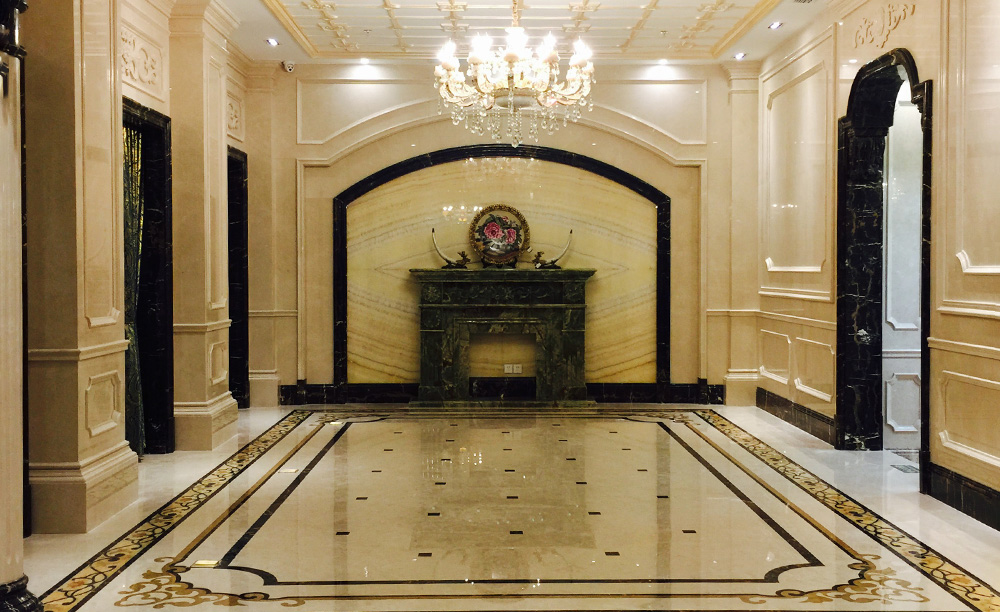 Natural Marble Wall Tiles for Premium Interior SurfacesConsider marble wall tiles with continuous veining and polished or honed finishes, suited for creating a premium backdrop that adds depth and texture to retail spaces.View Product →
Counters and Display Islands
Stone countertops at checkout or consultation points communicate quality every time a customer interacts with staff. They are also practical: well-sealed natural stone handles daily contact and cleaning, while the weight and solidity of the material add a sense of permanence to the store environment.
Furniture-Based Displays
Stone tables, benches, and plinths offer flexible merchandising. They can be repositioned when collections change, and they double as seating or display surfaces in areas where customers pause. Because each piece is fabricated to order, dimensions and finishes can be adapted to the exact proportions of your floor plan.
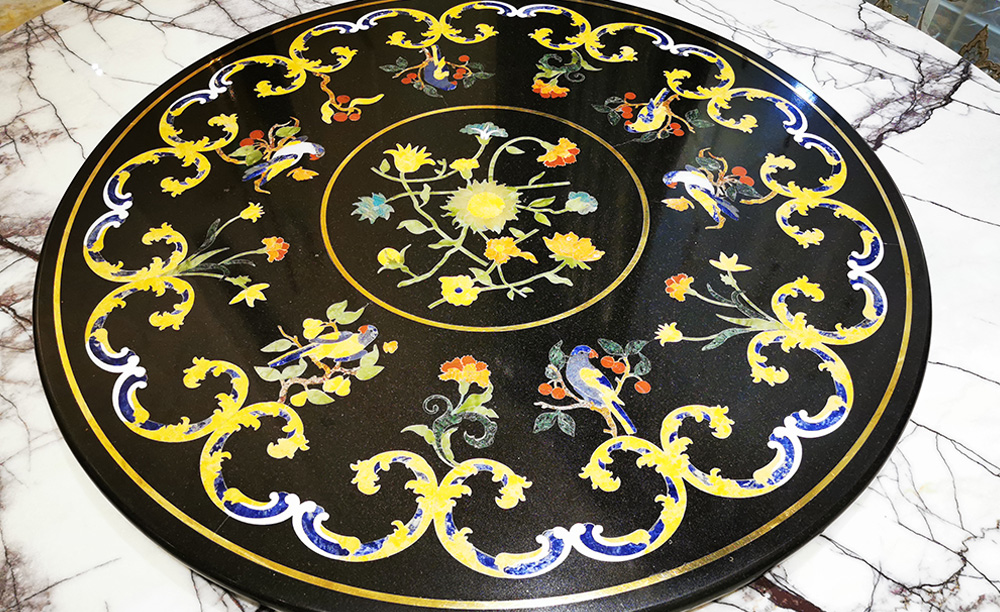 Bespoke Round Marble Dining and Display TablesReview fabrication options for round marble tables and plinths that can double as seating or merchandising surfaces, with dimensions and finishes tailored to your floor plan.View Product →
For beauty retailers, fashion boutiques, and luxury hospitality-adjacent spaces, these applications appear repeatedly in successful projects. Reviewing a manufacturer's project portfolio can show how the same fabrication principles translate across different store concepts and brand languages.
Sourcing Checklist for Luxury Store Designers and Buyers
Keep these points in mind when you compare suppliers:
- Confirm that the factory works from your drawings and provides physical samples before production.
- Ask how the manufacturer plans veining layout across multiple pieces.
- Verify which edge profiles and surface treatments are included in the quoted price.
- Check whether outbound inspection covers both layout and gloss consistency.
- Inquire about packaging, crating, and delivery so the stone arrives ready for installation.
Custom decorative stone props are a long-term investment in your store's identity. When material selection, craftsmanship, and quality control are aligned, the result is a space that feels intentional and enduring. Start your next project by defining the visual effect you want to achieve, then partner with a factory that can turn that vision into precisely fabricated, installation-ready pieces.



 English
 Français
 عربى
عربى italiano