What Sets Luxury Stone Tile Apart
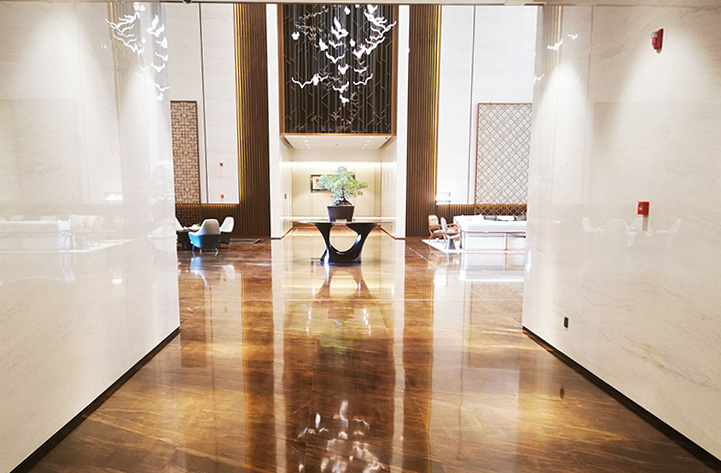
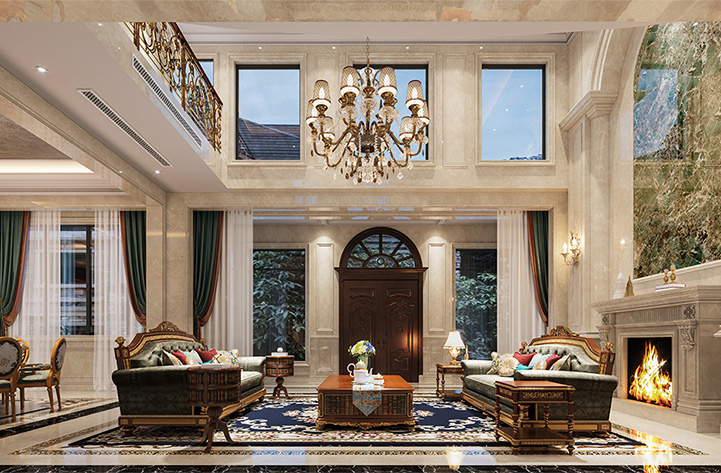
Luxury stone tile refers to natural stone materials selected and finished specifically for high-end residential and commercial interiors, distinguished by superior grade, distinctive veining, and precise fabrication. Unlike standard-grade stone tiles, luxury options typically come from carefully selected quarry blocks with minimal fissures, consistent coloration, and pattern matching that creates a cohesive visual flow across larger installations.
The premium positioning of luxury stone tile stems not only from the raw material quality but also from the fabrication process itself, including precision cutting, edge finishing, and surface treatments that require greater skill and equipment investment than mass-produced stone products. This attention to detail results in tiles that perform better structurally while delivering the refined appearance associated with high-end design projects.
Common Types of Luxury Stone Tile
Several natural stone varieties appear regularly in luxury tile applications, each offering distinct visual characteristics and performance properties suited to different design goals and usage conditions.
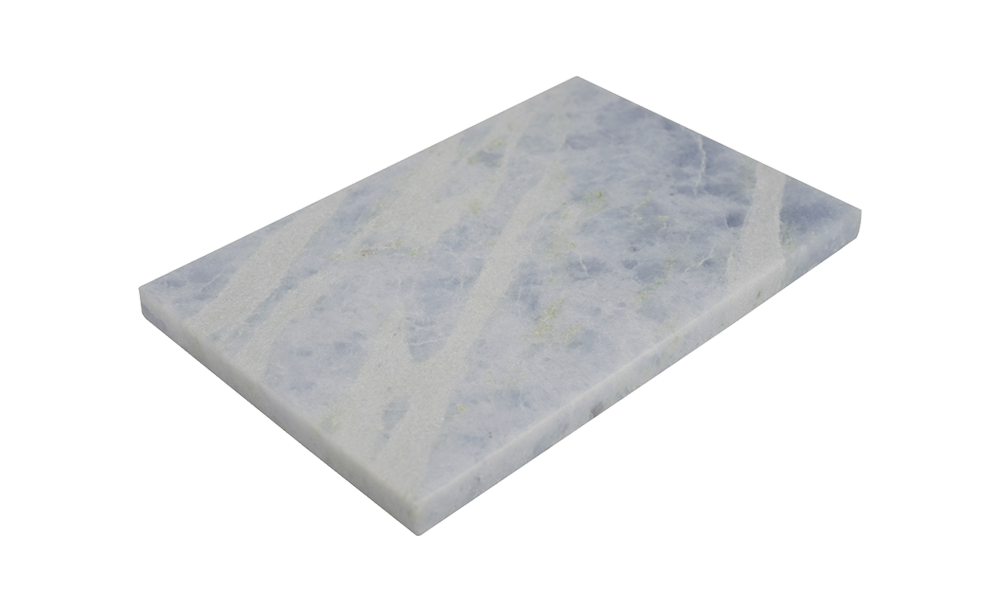
Marble
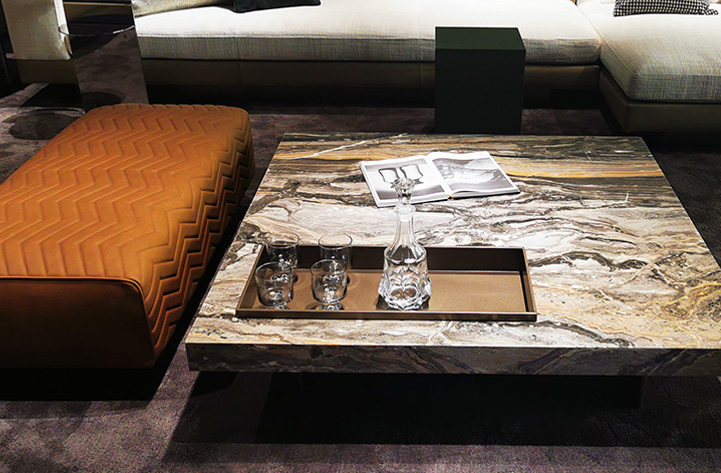
Marble remains the quintessential luxury stone choice, prized for its dramatic veining and range of colors from pure white to deep green and black. However, its relative softness and porosity require careful sealing and maintenance, making it better suited to lower-traffic areas like bathrooms or accent walls than heavily used kitchen floors.
Granite
Granite offers exceptional durability and scratch resistance, making it a practical choice for kitchen floors, countertops, and high-traffic commercial spaces. Its crystalline structure creates a distinctive speckled appearance that differs significantly from the flowing veins characteristic of marble.
Travertine and Limestone
Travertine and limestone deliver a softer, more organic aesthetic favored in Mediterranean and contemporary design styles. These materials require regular sealing due to their porous nature but reward that maintenance with a warm, natural texture that ages gracefully over time.
Comparing Stone Types for Different Applications
The table below summarizes key characteristics across common luxury stone tile options to help clarify which material suits specific project requirements.
| Stone Type |
Durability |
Maintenance Level |
Best Use |
| Marble |
Moderate |
High |
Bathrooms, accent walls |
| Granite |
High |
Low |
Kitchens, high-traffic areas |
| Travertine |
Moderate |
Moderate to High |
Patios, Mediterranean-style interiors |
| Slate |
High |
Low to Moderate |
Entryways, outdoor spaces |
Finish Options That Affect Appearance and Performance
The surface finish applied to luxury stone tile significantly influences both its visual character and practical performance in a given space. Selecting the right finish involves balancing aesthetic preference against slip resistance and maintenance requirements.
- Polished finish for a glossy, reflective surface suited to formal interiors
- Honed finish offering a smooth, matte appearance with better slip resistance
- Tumbled finish creating a weathered, textured look popular in rustic designs
- Brushed finish providing subtle texture while maintaining a refined appearance
Installation Considerations for Long-Term Results
Proper installation plays a critical role in how well luxury stone tile performs over time, particularly given the material's weight and susceptibility to cracking under uneven support. Subfloor preparation must ensure a level, stable surface capable of supporting the tile's weight without flexing, since even minor movement can cause cracking in brittle stone varieties like marble.
Grout line width and sealant selection also deserve careful attention, as improperly sealed grout lines can allow moisture infiltration that stains porous stone from beneath the surface, creating discoloration that proves difficult to reverse once it sets in.
Maintaining Luxury Stone Tile Over Time
Long-term care requirements vary by stone type, but most luxury stone tiles benefit from periodic resealing to maintain stain resistance, particularly in kitchen and bathroom applications exposed to regular moisture and food contact. Sealant reapplication frequency typically ranges from annually to every few years, depending on stone porosity and traffic level.
Using pH-neutral cleaning products rather than acidic or abrasive cleaners helps preserve both the sealant layer and the stone's natural finish, preventing etching or dulling that can occur when harsh chemicals interact with calcium-based stones like marble and travertine.
Making the Right Selection for Your Project
Choosing luxury stone tile involves weighing aesthetic priorities against practical factors like traffic level, moisture exposure, and long-term maintenance commitment. Working with a knowledgeable supplier to view full slabs or large sample sections, rather than small swatches, helps ensure the final installation delivers the cohesive, high-end appearance that luxury stone is meant to provide.



 English
 Français
 عربى
عربى italiano