Why Luxury Retailers Are Turning to Decorative Stone Props
In the competitive world of luxury retail, the physical store environment is far more than a place to display merchandise — it is a carefully engineered sensory experience designed to communicate exclusivity, craftsmanship, and brand prestige. Among the many interior design tools available, decorative stone props have become one of the most powerful and versatile elements in high-end store design. From sculptural pedestals carved from travertine to rough-hewn onyx display blocks and polished marble risers, stone props bring an irreplaceable sense of weight, permanence, and material authenticity that no synthetic alternative can replicate. As luxury consumers become increasingly discerning, the material quality of every surface and object within a store sends a subliminal signal about the brand's values and standards.
The Role of Stone in Communicating Luxury Brand Values
Stone has been associated with permanence, wealth, and cultural significance for thousands of years. Ancient temples, imperial palaces, and monumental architecture all employed fine stone to signal power and enduring quality. Luxury brands tap into this deeply embedded cultural vocabulary when they incorporate stone props into their retail environments. A single polished black granite pedestal beneath a handbag communicates something fundamentally different from a lacquered wood stand or an acrylic riser — it implies that the product resting upon it belongs in the same category as timeless, precious things.
For brands in jewelry, watches, fashion, cosmetics, and spirits, stone props serve as a silent endorsement of product value. The cool, dense surface of marble or the translucent depth of backlit alabaster creates a visual and tactile context that elevates the perceived worth of whatever is displayed nearby. This is not incidental — it is a deliberate merchandising strategy that leading luxury retailers invest in as seriously as they invest in lighting design or window displays.
Popular Stone Types Used as Decorative Props in Luxury Stores
Not all stones are equal in their visual impact, and luxury store designers select stone types with great care based on color palette, texture, translucency, and the emotional tone they wish to create. The following stone varieties are most commonly used as decorative props in high-end retail environments:
| Stone Type |
Key Visual Qualities |
Typical Luxury Applications |
| Carrara Marble |
White with grey veining, polished or honed |
Jewelry display pedestals, cosmetic risers |
| Black Granite |
Deep black, high-gloss reflective surface |
Watch display blocks, fragrance staging |
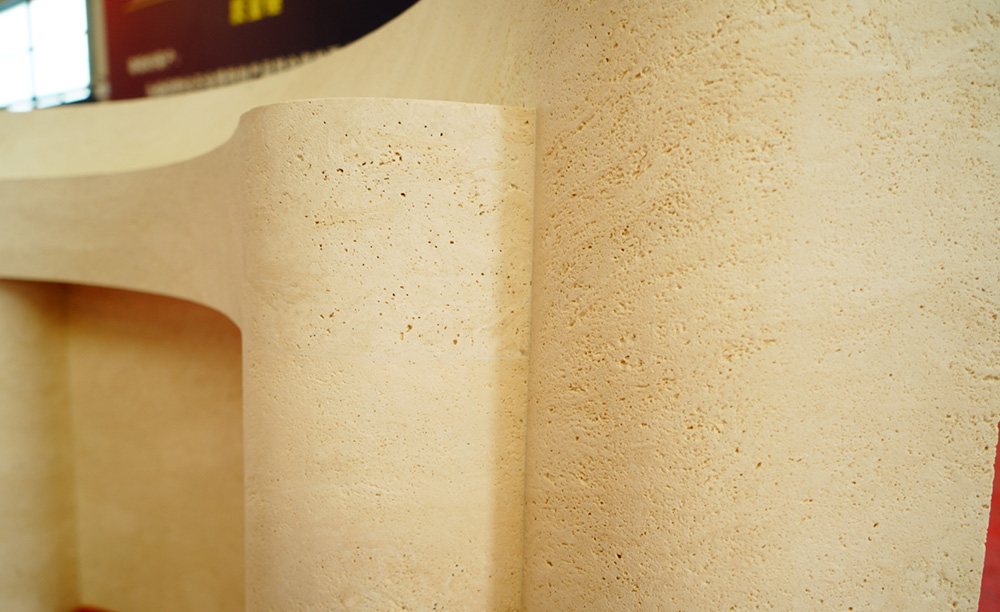
| Travertine |
Warm beige-tan, natural pitting and texture |
Fashion retail platforms, lifestyle displays |
| Onyx |
Translucent, dramatic veining, backlit capability |
Spirits, perfume, and hero product spotlights |
| Alabaster |
Soft white, glowing when lit, fine-grained |
Cosmetic launches, editorial-style displays |
| Slate |
Dark grey, rough cleft texture, matte finish |
Menswear, leather goods, raw aesthetic stores |
The choice of stone is never arbitrary. Each material carries its own visual temperature and cultural associations, and experienced luxury visual merchandisers match stone types to brand aesthetics with the same precision that they apply to font selection or color palettes.
Common Forms and Functions of Stone Props in Retail Display
Decorative stone props in luxury stores come in a wide variety of forms, each serving a specific visual merchandising function. Understanding the range of available formats helps store designers and brand teams deploy stone elements strategically rather than decoratively for its own sake.
Display Pedestals and Risers
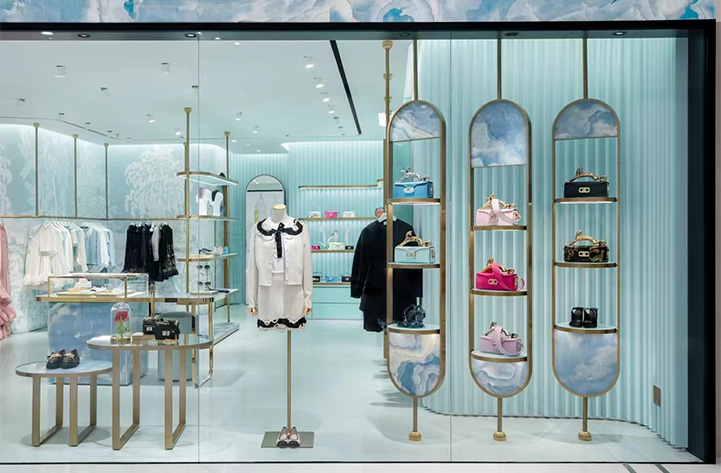
Pedestals are the most fundamental stone prop format. Available in cylindrical, rectangular, and irregular sculptural forms, they elevate individual products to focal-point status. A single travertine cylinder beneath a handbag or a stack of marble slabs of varying heights beneath a jewelry collection creates a gallery-like presentation that invites the customer to engage with the product as an art object. Risers in graduated heights add depth and visual rhythm to flat display surfaces, preventing merchandise from appearing monotonous when arranged in multiples.
Sculptural Accent Pieces
Beyond functional display support, luxury stores increasingly use stone props as standalone decorative sculptures that contribute to the store's narrative without holding any product at all. Rough-hewn boulders, hand-carved abstract forms, or oversized stone spheres placed at store entrances or window displays communicate a design sensibility and create a visual identity anchor. These pieces are particularly effective in flagship stores, where the goal is to create an immersive brand world rather than simply present merchandise for sale.
Tray and Surface Props
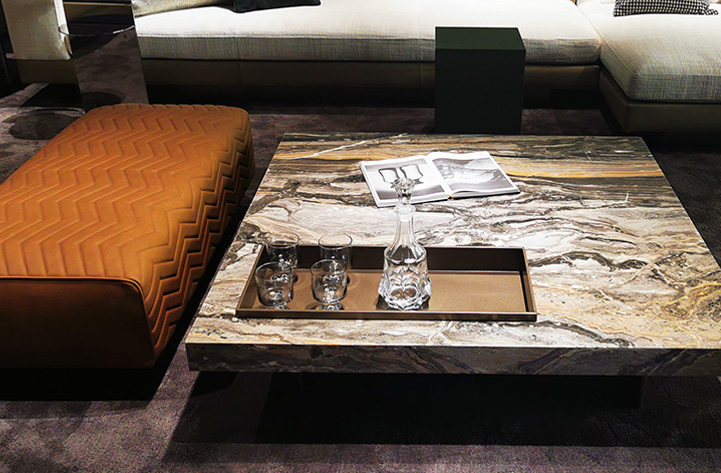
Flat stone slabs or shallow trays made from marble or granite serve as premium display surfaces within showcase units, counter tops, or drawer inserts. In jewelry and watch retail, a polished marble slab lining the interior of a display case instantly upgrades the perceived environment for the product sitting on it. In cosmetics, a flat onyx tray grouping several products together creates a cohesive, curated presentation that feels intentional and indulgent.
Architectural Stone Elements as Props
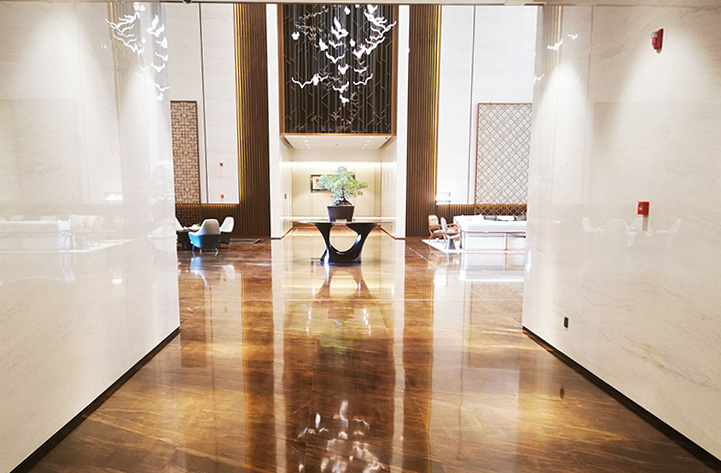
Some luxury stores blur the line between architecture and props by incorporating large stone columns, wall cladding panels, or feature floors into their display environment. These elements function simultaneously as structural or aesthetic architecture and as contextual props that amplify the premium nature of the displayed products. When a customer views a watch against a backdrop of bookmatched marble, the stone surface becomes part of the display composition, not merely background decoration.
Designing with Stone Props: Key Principles for Luxury Visual Merchandising
Successfully integrating decorative stone props into a luxury store display requires more than simply placing beautiful stones near products. The following principles guide effective stone prop design in high-end retail:
- Contrast creates focus: Pairing light-colored products with dark stone backgrounds (or vice versa) draws the eye directly to the merchandise and prevents visual noise within the display.
- Texture variety adds depth: Combining polished and rough stone surfaces within the same display zone creates tactile interest and visual layering without introducing competing colors.
- Scale must be intentional: Oversized stone props create drama and impact; small, refined stone elements create intimacy and precision. Mixing scales within a store guides customer movement and pacing through the space.
- Lighting activates stone: Stone props respond dramatically to lighting. Raking light accentuates surface texture; backlighting through translucent onyx or alabaster creates a glowing, almost supernatural effect that elevates high-value products displayed nearby.
- Consistency reinforces identity: Using the same stone type or color family throughout a store — in both props and architectural elements — creates a coherent visual language that feels designed and intentional rather than assembled.
- Seasonal adaptability: Stone props are inherently neutral and durable, which makes them excellent long-term investments. Seasonal story updates can be achieved by changing smaller surrounding props (fabrics, florals, smaller objects) while retaining the stone foundation elements.
Sourcing and Customization: What Luxury Brands Should Know
For luxury brands building out a store concept or refreshing an existing environment, sourcing stone props involves both material selection and customization capability. Off-the-shelf stone props are available from specialty visual merchandising suppliers, but high-end brands typically commission custom pieces that match their exact specifications for size, finish, edge profile, and stone variety. The following factors should be considered during the sourcing process:
- Lead time: Custom stone props carved or fabricated to specification typically require 4–10 weeks, depending on complexity and the supplier's production capacity. Global rollouts for multi-store retail chains require careful scheduling and batch production planning.
- Weight and shipping logistics: Natural stone is dense and heavy. Shipping costs and structural load requirements for shelving and display furniture must be factored into the design process early, particularly for multi-story or elevated display positions.
- Surface finish options: Polished, honed, bush-hammered, sandblasted, and natural split finishes each produce a dramatically different visual result. Requesting physical finish samples before committing to large orders prevents costly surprises.
- Batch consistency: Natural stone varies between quarry blocks. For large display rollouts requiring visual uniformity across multiple stores, suppliers must select stone from the same quarry batch and provide photographic documentation of material consistency.
Stone Props Across Different Luxury Retail Sectors
While stone props are universally associated with luxury positioning, their specific application varies significantly across retail sectors. In fine jewelry boutiques, small-format polished marble and onyx platforms create intimate, gallery-like product presentations that focus attention on individual pieces. In luxury fashion flagships, large-scale travertine plinths and rough stone walls serve as architectural landmarks that anchor the store's spatial narrative and reinforce the brand's artisanal heritage. In premium spirits retail and hotel lobby shops, backlit onyx shelving and countertops transform product display into a theatrical lighting experience that makes bottles appear luminous and precious. In high-end cosmetics, alabaster and white marble trays and risers evoke purity, science, and refinement — visual cues that align directly with the product promises being communicated on packaging and in advertising.
Sustainability Considerations When Using Natural Stone Props
As sustainability becomes an increasingly important brand value in the luxury sector, the sourcing and use of natural stone props is subject to greater scrutiny. Responsible luxury brands now assess the environmental and social credentials of their stone suppliers, looking for certifications related to responsible quarrying practices, low-impact extraction, and fair labor standards. Additionally, because natural stone is extraordinarily durable, stone props have an exceptionally long operational life compared to props made from foam, resin, or MDF. This durability is itself a sustainability argument — a well-made stone pedestal can serve a brand for a decade or more, far outlasting seasonal prop programs built from perishable materials. When stone props are eventually retired, they can often be repurposed, resold, or donated rather than discarded, further extending their value cycle.



 English
 Français
 عربى
عربى italiano