Why Luxury Retailers Are Turning to Decorative Stone Props
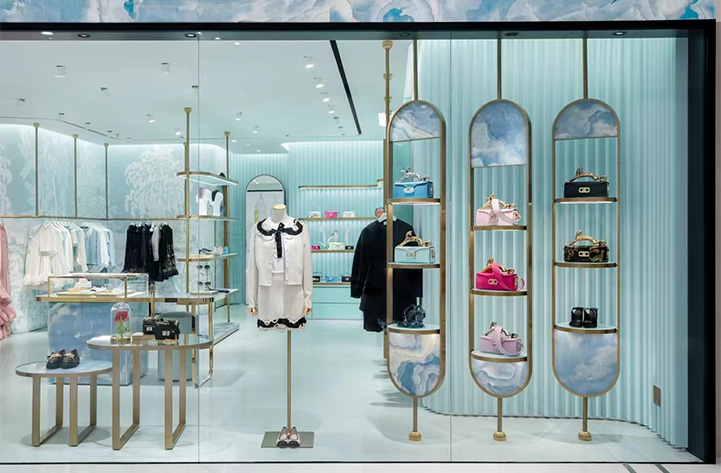
In the competitive world of luxury retail, the physical store environment is as much a part of the brand as the products themselves. Shoppers who walk into a high-end boutique expect an experience — not just a transaction. Decorative stone props have emerged as one of the most powerful tools in the luxury visual merchandiser's toolkit, offering a combination of weight, permanence, and natural beauty that synthetic alternatives simply cannot replicate. From rough-hewn marble pedestals to polished onyx risers and travertine display slabs, stone props communicate quality before a single product is even noticed.
The shift toward stone in luxury retail décor reflects a broader consumer demand for authenticity. Shoppers who spend significantly on a handbag, watch, or piece of jewelry are attuned to material quality, and they notice when the environment surrounding a product feels cheap or incongruent. A silk scarf draped over a smooth alabaster block sends a fundamentally different message than the same scarf on a plastic riser. Stone grounds the display in a sense of permanence and value that resonates psychologically with the luxury buyer.
Types of Decorative Stone Used in Luxury Store Props
Not all stone props serve the same visual or functional purpose. Luxury retailers and their visual merchandising teams select stone types carefully based on color palette, texture, weight requirements, and the specific brand aesthetic they want to project. The most commonly used stone varieties in high-end retail settings include:
- Marble: The classic choice for luxury environments. White Carrara marble projects timeless elegance and pairs well with fashion, jewelry, and cosmetics displays. Black Marquina marble creates dramatic contrast for highlighting light-colored or metallic products.
- Onyx: Highly prized for its translucency and dramatic veining, onyx is often backlit to create a glowing, jewel-like effect on display counters and feature walls. It is particularly favored in perfumery and fine jewelry boutiques.
- Travertine: Its warm, porous surface and earth tones bring an organic, grounded quality to displays. Travertine props work especially well in wellness brands, niche perfumeries, and fashion houses drawing on Mediterranean or artisanal aesthetics.
- Quartzite: Harder and more durable than marble, quartzite offers rich color variation and a sparkle that catches light effectively. It is increasingly popular in watch and accessories displays.
- Slate and basalt: These darker, fine-grained stones suit avant-garde or masculine brand identities. Their matte, understated surfaces work well as platforms for bold or colorful product lines.
- Engineered stone: High-end engineered stone, such as premium sintered stone slabs, offers the visual properties of natural stone with greater consistency and lighter weight — making it practical for frequent display changes and traveling pop-up environments.
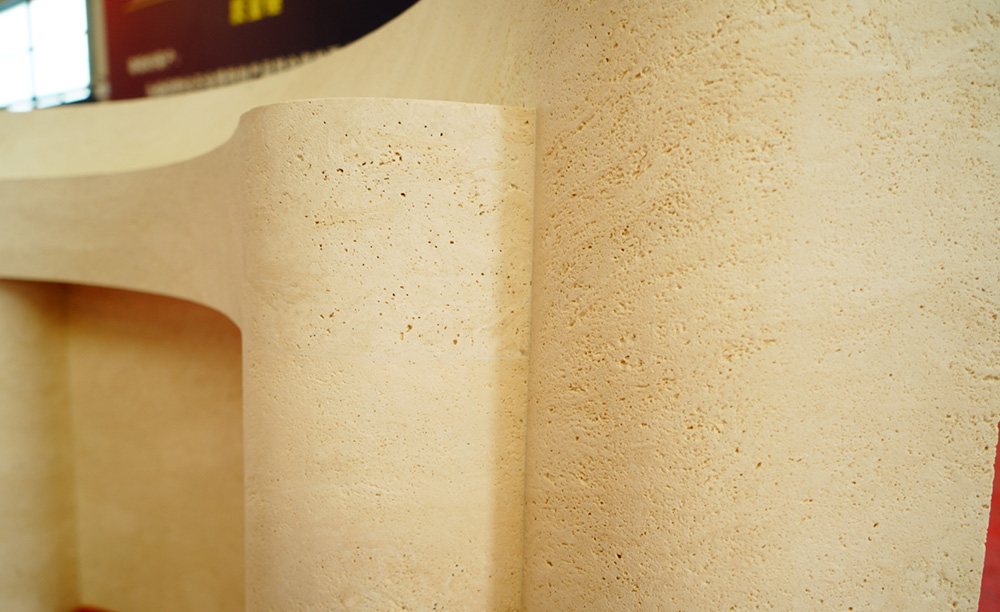
Functional Forms: How Stone Props Are Used in Store Displays
Decorative stone props in luxury retail take a wide range of physical forms, each serving a distinct merchandising function. Understanding which prop format suits a given display objective is essential for visual merchandisers and store designers alike.
Pedestals and Risers
Stone pedestals are among the most versatile props in luxury retail. They elevate individual hero products — a single handbag, a sculpture-like shoe, or a flagship fragrance bottle — to focal point status. Heights typically range from 10 cm risers used within display cases to full floor-standing columns of 80 cm or more that anchor window installations. The weight and solidity of the stone pedestal implicitly elevates the perceived value of whatever sits upon it.
Slabs and Trays
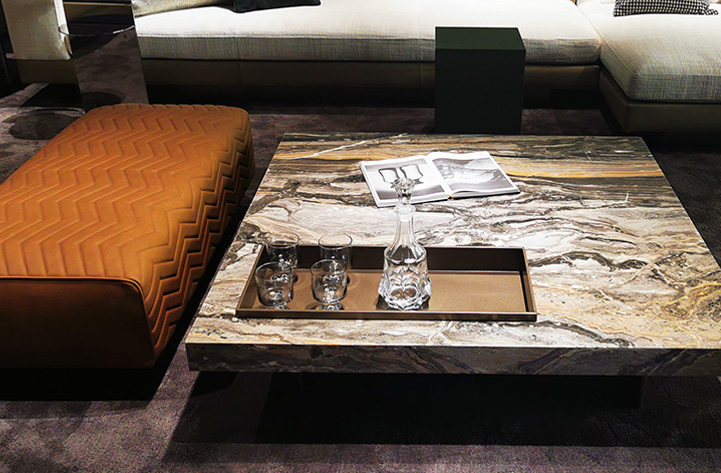
Flat stone slabs and trays serve as textured surfaces for grouping products in a curated, editorial manner. A cut slab of travertine placed on a table top, carrying a selection of skincare products or folded garments, transforms a commercial display into something resembling a lifestyle tableau. Stone trays inside glass cases are commonly used in jewelry and watch retail to replace fabric-covered foam inserts with a more premium, photographable surface.
Sculptural and Abstract Forms
Leading luxury retailers increasingly commission bespoke stone sculptures and abstract forms that function as props but read as art. These pieces do not hold or display products directly — instead, they establish the atmosphere and brand narrative of the space. A rough-cut boulder of quartz placed near a fitting room entrance, or a smooth river-stone arrangement at a perfume counter, communicates a brand's values around craft, nature, and rarity without a single word of signage.
Matching Stone Props to Brand Identity
The choice of stone must align with the brand's established visual language and target customer expectations. A mismatch between prop material and brand identity can undermine the entire display investment. The following table offers a practical reference for aligning stone types with common luxury retail brand aesthetics:
| Brand Aesthetic |
Recommended Stone Types |
Finish |
| Classic European luxury |
White Carrara marble, Calacatta marble |
Polished or honed |
| Contemporary minimalism |
Light quartzite, pale travertine |
Matte or brushed |
| Bold and dramatic |
Black Marquina marble, dark basalt |
High gloss polished |
| Organic and artisanal |
Travertine, raw limestone, river stone |
Natural or tumbled |
| Opulent and theatrical |
Backlit onyx, gold-veined marble |
Polished with lighting |
Practical Considerations for Sourcing and Using Stone Props
Stone props bring significant benefits, but they also introduce practical challenges that retailers must plan for carefully. Weight is the most immediate concern. Natural stone is heavy — a marble pedestal of meaningful size can weigh 30 to 80 kilograms or more, which has direct implications for flooring load limits, staff safety during installation, and logistics when props need to be moved between store locations or shipped to pop-up events.
Customization lead times are another important factor. Unlike off-the-shelf acrylic or wood props, custom-cut stone pieces require quarrying, cutting, finishing, and quality inspection before delivery. Retailers planning seasonal visual merchandising refreshes should allow a minimum of six to ten weeks for bespoke stone prop orders, and longer for highly complex or large-format pieces.
Care and Maintenance of Stone Props
- Seal porous stones such as travertine, limestone, and unpolished marble before use in a retail environment to prevent staining from product spills, cosmetics, or fingerprints.
- Use pH-neutral stone cleaners only — acidic products like vinegar-based cleaners will etch polished marble and limestone surfaces permanently.
- Place felt pads or rubber buffers under stone props on display furniture to prevent scratching shelving and table surfaces.
- Inspect props regularly for chips and cracks, particularly along edges, which are vulnerable to impact damage in high-traffic retail environments.
- Store stone props upright or fully supported when not in use to prevent stress fractures in thinner slab pieces.
Stone Props in Window Displays and Seasonal Campaigns
Window displays in luxury retail are a significant brand investment, and stone props play an increasingly prominent role in these high-visibility installations. Unlike fabric or paper elements that can look dated or tired after a few weeks of sun exposure, stone maintains its appearance and integrity throughout the display period, requiring little intervention beyond occasional cleaning. This durability makes stone particularly valuable for window campaigns intended to run for four to eight weeks.
For seasonal campaigns, stone props can be adapted rather than replaced entirely. A white marble pedestal used for a summer fragrance launch can be re-dressed with different product placement and lighting for a winter gifting campaign without any modification to the stone itself. This longevity contributes to a strong return on investment for the initial prop expenditure, making premium stone pieces economically competitive with cheaper props that must be discarded and replaced each season.
Some luxury brands have made signature stone elements a recurring visual identity device — the same distinctive stone finish appears across global store windows, pop-up installations, and even in editorial photography and digital content, creating a coherent brand world that customers recognize instantly across touchpoints.
Sourcing Luxury Stone Props: What to Look for in a Supplier
The quality of a stone prop is determined not just by the stone itself, but by the precision of its fabrication and finishing. Luxury retailers should evaluate potential stone prop suppliers on the following criteria before committing to a production order:
- Portfolio of retail or display work: A supplier with proven experience in retail visual merchandising understands tolerances, surface quality requirements, and the importance of consistency across batch production.
- Access to premium quarry materials: The ability to source from named, traceable quarries is a mark of quality and matters increasingly to brands with sustainability commitments.
- Custom finishing capabilities: Honing, sandblasting, edge profiling, and drilling for product mounting hardware all require specialized equipment and skill — confirm these capabilities before placing orders.
- Packaging and logistics expertise: Stone props must be crated and transported with care to avoid chipping. Suppliers experienced in international retail logistics will have established protocols for safe delivery.
- Prototyping and sampling process: Reputable suppliers provide samples of finished stone with specified dimensions and surface treatment before full production begins, ensuring alignment with design intent.
Investing in the right stone props — selected with care, fabricated with precision, and deployed strategically within the store environment — is one of the most effective ways a luxury retailer can signal quality, reinforce brand identity, and create the kind of memorable in-store experience that converts browsers into loyal customers.



 English
 Français
 عربى
عربى italiano