Why a Round Marble Dining Table Belongs in Your Home
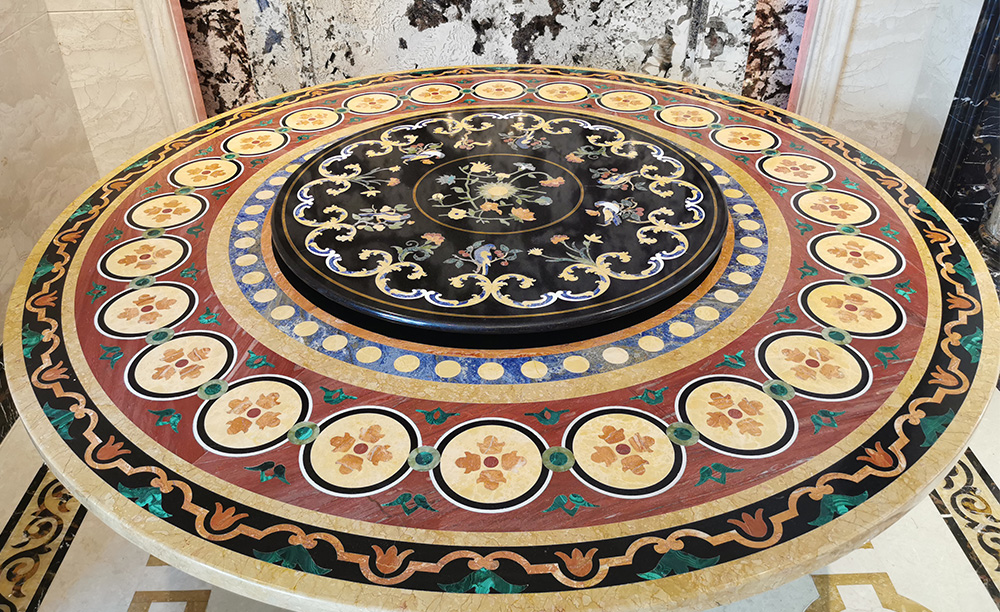
A round marble dining table is one of those rare furniture pieces that manages to be both timeless and on-trend. Whether you're furnishing a compact apartment or a spacious open-plan dining area, the combination of a circular silhouette and natural stone surface delivers a visual impact that few other tables can match. The soft, continuous edge of a round table encourages conversation by placing every seat at equal proximity, while marble's distinctive veining ensures that no two tables are ever truly identical. Together, these qualities make it one of the most desirable centerpieces for modern, traditional, and transitional interiors alike.
Beyond aesthetics, a round marble dining table is a long-term investment. Natural marble, when properly maintained, can last decades without losing its beauty. Its heat-resistant surface and cool-to-the-touch feel add a sensory richness to every meal. Understanding what to look for before purchasing — and how to care for it afterward — is what separates a satisfying buy from a costly mistake.
Types of Marble Used in Dining Tables
Not all marble is created equal. The type of stone used dramatically affects the table's appearance, durability, and price point. Here are the most commonly used marble varieties in dining tables:
- Carrara Marble: Quarried in Italy, Carrara is the most widely used marble in furniture. It features a soft white or grey background with subtle, feathery veining. It's relatively affordable compared to other Italian marbles and works well in both contemporary and classical settings.
- Calacatta Marble: Also Italian in origin, Calacatta is rarer and more luxurious. Its bold, dramatic veining in gold or dark grey against a bright white base makes it a statement piece. It commands a higher price but delivers unmatched visual drama.
- Emperador Marble: A Spanish marble with rich brown tones and white veining, Emperador is ideal for warmer, earthier interiors. It pairs beautifully with wooden bases and natural-toned dining chairs.
- Nero Marquina: A striking black marble from Spain with bright white veins. It's a bold choice that works especially well in modern, minimalist, or industrial dining rooms.
- Sintered Stone (Porcelain Marble Look): Technically not natural marble, sintered stone tops mimic marble's appearance while offering superior scratch and stain resistance. A popular choice for families or high-use dining rooms.
Choosing the Right Size for Your Space
Getting the dimensions right is arguably the most practical decision you'll make when buying a round marble dining table. A table that's too large overwhelms the room; one that's too small feels disconnected and awkward. Use the following general guidelines to find the right fit:
| Table Diameter |
Seats |
Recommended Room Size |
| 80–90 cm (32–36 in) |
2 people |
Small kitchen or breakfast nook |
| 100–110 cm (40–44 in) |
4 people |
Medium dining room (3m × 3m min) |
| 120–130 cm (48–52 in) |
4–6 people |
Standard dining room (3.5m × 3.5m) |
| 150 cm+ (60 in+) |
6–8 people |
Large dining room or open-plan space |
Always leave at least 90 cm (about 36 inches) of clearance between the table edge and the nearest wall or furniture. This ensures comfortable movement for seated guests and allows chairs to be pulled out without obstruction. In open-plan spaces, a round table also helps define the dining zone without the hard corners that rectangular tables create.
Base Styles and Their Impact on Aesthetics
The base of a round marble dining table does more than hold the top up — it defines the overall character of the piece. The most common base styles include:
Pedestal Base
A single central pedestal is the classic choice for round dining tables. It maximizes legroom, makes seating flexible, and gives the tabletop a floating, sculptural quality. Pedestal bases in brushed brass, matte black, or natural stone complement marble tops particularly well.
Crossed or X-Frame Base
An X-shaped metal or wooden base adds architectural interest from all angles. It's a popular choice in contemporary and mid-century modern interiors, offering visual complexity without sacrificing too much legroom.
Tripod or Three-Leg Base
Three angled legs lend a retro, slightly sculptural feel. Often used in Scandinavian-influenced designs, this base type works well when paired with light-toned Carrara or white sintered stone tops.
Solid Stone or Marble Base
For an ultra-luxurious, monolithic look, some tables pair a marble top with a matching marble or travertine base. This creates a cohesive, gallery-worthy aesthetic but adds significant weight to the piece, making placement adjustments more difficult.
Styling a Round Marble Dining Table
A marble dining table is a strong visual anchor, which means surrounding elements should be chosen with care. Here's how to style it across different interior aesthetics:
- Modern Minimalist: Pair a white Carrara top with a matte black pedestal base and sleek upholstered chairs in charcoal or cream. Keep the tabletop decor minimal — a single sculptural vase or a low candle holder is sufficient.
- Warm Contemporary: Match an Emperador or beige marble top with a warm walnut or oak base. Use bouclé or linen chairs and layer in earthy tones through textiles and pendant lighting.
- Glamorous or Art Deco: A Calacatta top with a polished gold base creates an unmistakably luxurious look. Velvet dining chairs in deep jewel tones — emerald, sapphire, or burgundy — reinforce the opulent mood.
- Industrial Chic: A Nero Marquina black marble top on a raw steel or cast-iron base works brilliantly in loft-style spaces. Complement with leather chairs and Edison bulb pendant lights.
Lighting is equally important. A pendant light hung directly above the table — ideally with the bottom of the shade sitting 70–80 cm above the tabletop — anchors the dining area and draws attention to the marble surface's natural beauty.
Caring for Your Marble Dining Table
Marble is a porous natural stone, which means it requires consistent care to maintain its appearance. The good news is that upkeep is straightforward once you know the basics.
- Seal it regularly: Apply a high-quality stone sealer every 6–12 months to protect the surface from liquid absorption and staining. Always test the sealer on a small, hidden area first.
- Wipe spills immediately: Acidic substances like wine, lemon juice, vinegar, and coffee can etch the marble surface within minutes. Use a soft, damp cloth to blot — not rub — spills as soon as they occur.
- Use pH-neutral cleaners: Avoid bleach, ammonia-based products, or abrasive scrubbers. A mild soap diluted in warm water is the safest daily cleaning solution.
- Use placemats and coasters: Preventative protection goes a long way. Placemats shield the surface from scratches caused by cutlery and dishware, while coasters prevent ring marks from glasses.
- Polish occasionally: Use a marble-specific polish to restore shine and add a thin protective layer to the surface. This is especially useful after heavy use or if the surface begins to look dull.
Natural Marble vs. Marble-Look Alternatives
If you love the look of marble but have concerns about maintenance or budget, it's worth considering high-quality alternatives. Sintered stone (also known as ultra-compact surface) and porcelain tops engineered to mimic marble have improved dramatically in recent years. They offer near-identical aesthetics with significantly greater resistance to scratches, stains, and acids.
However, natural marble still holds a distinct advantage: its depth, variation, and organic authenticity cannot be fully replicated. The subtle translucency of real stone, the way light plays across a polished Calacatta surface, or the warm grain of an Emperador top — these are qualities that manufactured alternatives approximate but rarely match. For buyers who prioritize longevity and ease of care over authenticity, sintered stone is a smart practical choice. For those who want the genuine article, natural marble remains unrivaled.
Final Thoughts Before You Buy
A round marble dining table is more than a functional piece of furniture — it's a design statement that sets the tone for your entire dining space. Before making your purchase, confirm the table's diameter against your room dimensions, check whether the base style suits your interior, and clarify whether the top is natural stone or engineered. Ask the retailer about the finish (polished, honed, or brushed), as this affects both the look and the level of maintenance required. A polished finish is more glamorous but shows scratches more readily, while a honed finish is more forgiving and gives a softer, matte appearance.
With the right choice, a round marble dining table will serve as the gathering point for countless meals, conversations, and memories — growing more characterful over time as it takes on the natural patina that only real stone can develop.



 English
 Français
 عربى
عربى italiano