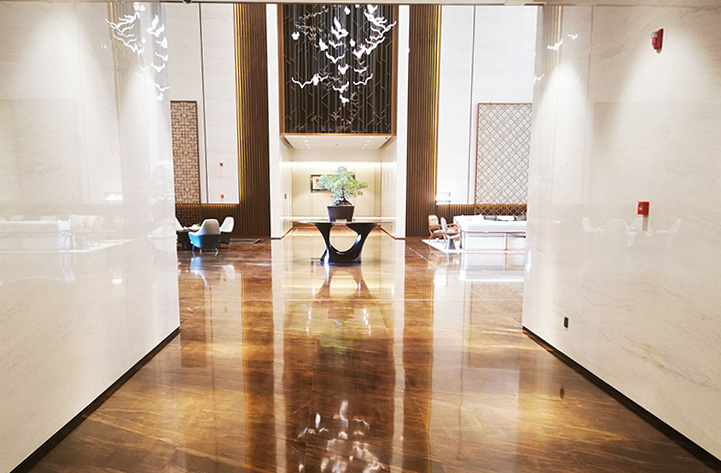
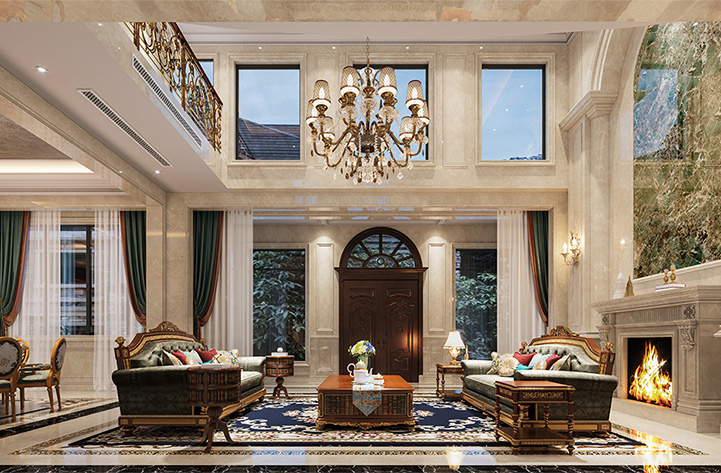
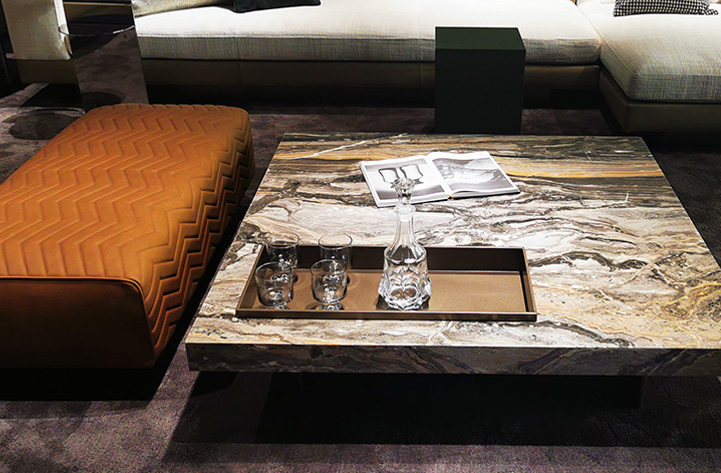
Marble countertops have long been synonymous with elegance, luxury, and timeless beauty. Unlike synthetic surfaces, marble is a natural stone formed from recrystallized carbonate minerals, typically calcite or dolomite. Its unique veining and color variations make every slab distinct, adding character to kitchens, bathrooms, and commercial spaces. Choosing marble countertops involves understanding their properties, types, installation requirements, and maintenance to maximize their longevity and aesthetic appeal.
Types of Marble Countertops
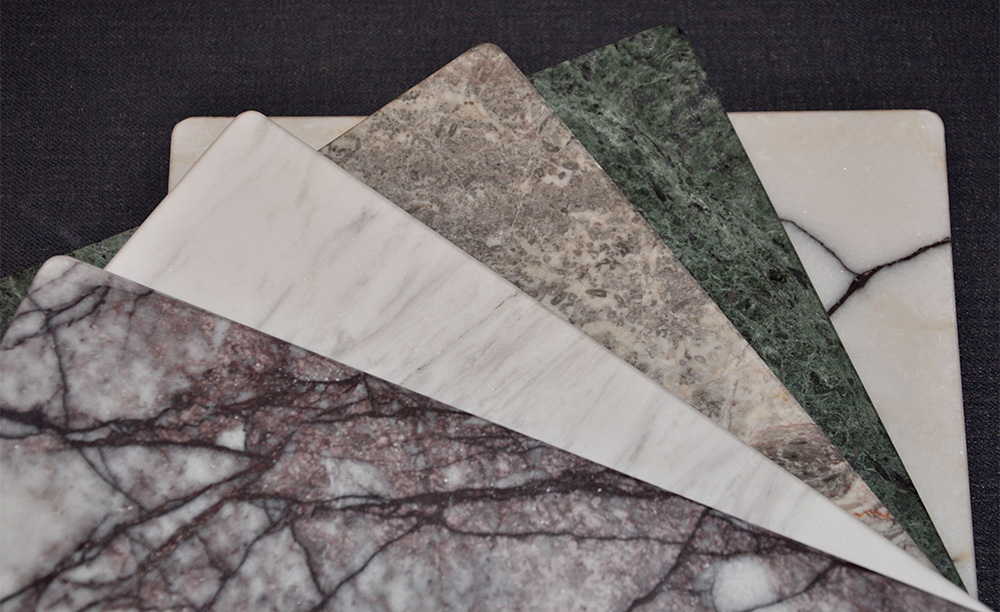
Marble comes in a variety of colors, patterns, and finishes. Selecting the right type is crucial for matching your design preferences and functional needs.
Carrara Marble
Carrara marble, originating from Italy, is one of the most popular choices due to its light gray or white background with soft veining. It provides a classic look suitable for traditional and modern kitchens.
Calacatta Marble
Calacatta marble is distinguished by its bold, dramatic veining set against a bright white background. It is considered more luxurious and rare compared to Carrara marble, making it ideal for high-end designs.
Statuario Marble
Statuario marble combines the elegance of Calacatta with more subtle and delicate veining. It is perfect for minimalist designs that require a refined, sophisticated appearance.
Other Varieties
Beyond Italian marbles, other global varieties include Crema Marfil from Spain, Black Marquina from Spain, and Indian Green marble. Each offers unique aesthetics and functional characteristics for specific interior designs.
Key Benefits of Marble Countertops
Marble countertops offer several advantages that make them highly desirable for residential and commercial spaces.
- Timeless Elegance: Marble adds luxury and sophistication to any interior.
- Unique Patterns: Each slab is one-of-a-kind with natural veining.
- Heat Resistance: Ideal for kitchens where hot pots and pans are common.
- Increased Property Value: Marble surfaces enhance real estate appeal.
- Durability: With proper care, marble can last decades without significant wear.
Choosing the Right Marble for Your Space
Selecting the appropriate marble requires consideration of color, veining, durability, and the specific function of the space.
Color and Pattern
Lighter colors like white and gray enhance brightness and create a sense of space, while darker marbles make a bold statement. Veining should complement the overall design; subtle veining works well for minimalist interiors, whereas dramatic patterns serve as a focal point.
Durability Considerations
Marble is softer than granite or quartz, making it more prone to scratches and etching. High-traffic areas may benefit from harder marbles or protective treatments. Selecting marble with consistent density ensures better resistance to staining and chipping.
Finish Options
Marble can be finished in several ways:
- Polished: Glossy surface highlighting veining and color depth.
- Honed: Matte surface for a subtle, understated look and easier maintenance.
- Brushed or Tumbled: Textured surface providing a rustic appearance and slip resistance.
Installation Process
Professional installation is critical for marble countertops to ensure safety, proper alignment, and longevity.
Measurement and Template Creation
Accurate measurements of the countertop area are taken, and a template is created to guide the cutting and shaping of marble slabs. This ensures precise fitting around sinks, appliances, and edges.
Cutting and Polishing
Marble slabs are cut using water-cooled diamond saws to prevent cracking. Edges are polished or shaped according to design specifications. This step requires skill to avoid chips and maintain a smooth surface.
Seaming and Installation
Seams are joined carefully with epoxy to ensure minimal visibility. The slabs are then secured on cabinets using anchors and adhesives. Finally, the surface is cleaned, polished, and sealed for protection.
Maintenance and Care Tips
Marble countertops require regular care to maintain their beauty and prevent damage.
Cleaning
Use pH-neutral cleaners to avoid etching. Avoid acidic or abrasive substances such as lemon juice, vinegar, or scouring powders. Wipe spills immediately to prevent staining.
Sealing
Apply a penetrating sealer at least once a year, or more frequently in high-traffic areas. Sealing helps prevent liquids from penetrating the stone and reduces staining risks.
Scratch and Etch Prevention
Use cutting boards and trivets to protect the surface from sharp knives and hot cookware. Regular polishing can restore minor scratches and maintain a smooth finish.
Common Challenges and Solutions
Marble countertops offer beauty, but they present challenges that homeowners should be aware of.
- Staining: Prompt cleaning and sealing prevent stains from coffee, wine, and oils.
- Etching: Caused by acidic substances; regular polishing and careful use of cleaners can minimize impact.
- Chipping: Avoid dropping heavy objects; edge guards or careful handling protect vulnerable corners.
- Discoloration: UV exposure may affect certain marble types; consider window treatments or UV-resistant sealers.
Comparison with Other Countertop Materials
Marble countertops are often compared with granite, quartz, and engineered stones. A comparison table highlights their differences:
| Material |
Durability |
Maintenance |
Aesthetic Appeal |
Cost |
| Marble |
Medium |
High |
Very High |
High |
| Granite |
High |
Medium |
High |
Medium to High |
| Quartz |
High |
Low |
High |
Medium to High |
| Engineered Stone |
High |
Low |
Varies |
Medium |
Conclusion
Marble countertops combine unmatched beauty with functional elegance. While they require careful maintenance and handling, the benefits of natural veining, luxurious appearance, and timeless appeal outweigh the challenges for many homeowners. By selecting the right marble type, ensuring professional installation, and following proper maintenance practices, marble countertops can enhance kitchens and bathrooms for decades. Understanding their properties and applying practical care ensures these surfaces remain a centerpiece of sophistication and functionality in any interior.



 English
 Français
 عربى
عربى italiano