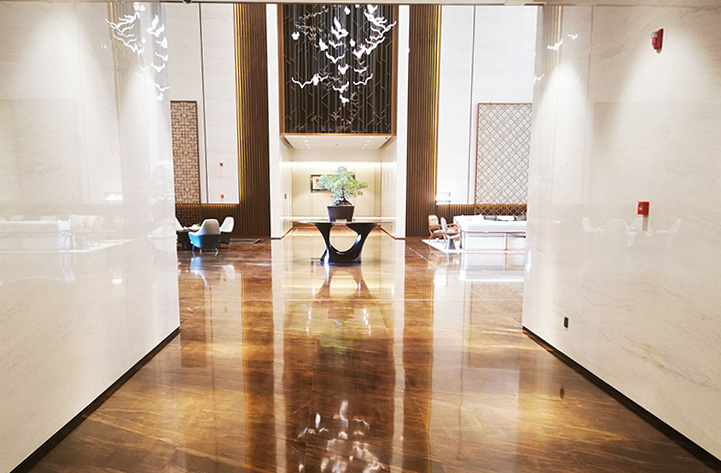
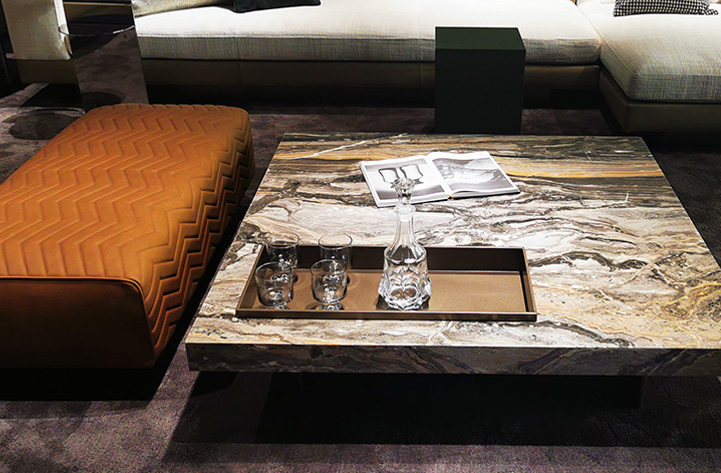
Marble wall tiles are natural stone tiles cut from marble blocks and processed into slabs or tile formats for vertical surfaces. Unlike ceramic or porcelain alternatives, marble tiles are formed through geological processes that create unique veining, color variation, and mineral patterns. This natural origin makes every tile visually distinct, which is one of the main reasons homeowners choose marble wall tiles for interior spaces.
Marble wall tiles are commonly used in bathrooms, kitchens, living rooms, hallways, and feature walls. Their appeal lies not only in aesthetics but also in the material’s ability to elevate the perceived value of a space. However, choosing the right marble wall tiles requires careful consideration of performance, maintenance, and design compatibility.
Evaluating Different Types of Marble for Wall Applications
Not all marble is the same, and the type you choose has a direct impact on appearance, durability, and maintenance. Some marbles are softer and more porous, while others are denser and better suited for high-humidity or high-use areas. Understanding these differences helps prevent long-term issues such as staining or surface wear.
Common Marble Varieties Used for Wall Tiles
- Carrara Marble is light gray to white with soft veining and is widely used for bathroom and shower walls.
- Calacatta Marble features bolder, dramatic veining and is often chosen for accent walls or luxury interiors.
- Emperador Marble offers rich brown tones and works well in warm, classic interior designs.
- Crema Marfil Marble has beige hues and is popular for creating a soft, neutral wall surface.
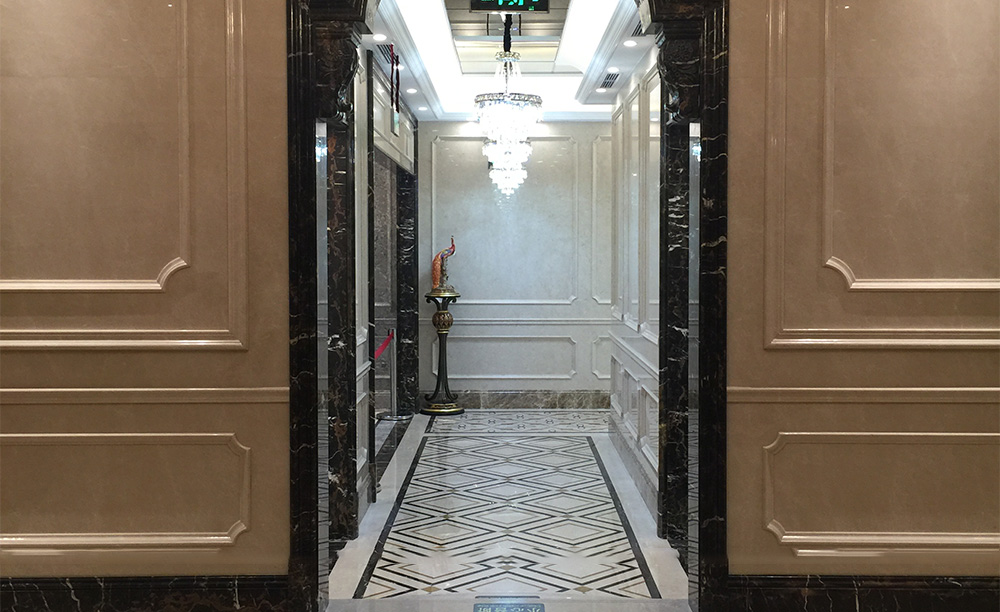
Choosing the Right Finish for Marble Wall Tiles
The surface finish of marble wall tiles affects both visual impact and daily maintenance. Each finish interacts differently with light, moisture, and cleaning products. Selecting the correct finish is especially important for bathrooms and kitchens where humidity and splashes are common.
| Finish Type |
Appearance |
Practical Use |
| Polished |
Glossy, reflective |
Decorative walls, low-contact areas |
| Honed |
Matte, smooth |
Bathroom and shower walls |
| Brushed |
Textured, natural |
Feature walls and rustic interiors |
Selecting the Correct Tile Size and Thickness
Tile size influences both installation complexity and visual balance. Large-format marble wall tiles create a seamless, modern appearance with fewer grout lines, while smaller tiles allow for decorative patterns and curved surfaces. Thickness also matters, as overly thick tiles increase wall load and installation costs.
For residential wall applications, marble tiles typically range from 8mm to 12mm thick. Lighter tiles are easier to install on drywall or cement board, while thicker options may require reinforced backing.
Matching Marble Wall Tiles with Room Function
Each room places different demands on marble wall tiles. Understanding these functional requirements ensures long-term satisfaction and avoids unnecessary repairs or replacements.
Bathroom and Shower Walls
Bathrooms require marble wall tiles that can handle moisture, steam, and frequent cleaning. Honed finishes are often preferred because they show fewer water spots and etching marks. Proper sealing is essential to prevent moisture penetration and discoloration.
Kitchen Backsplashes and Walls
In kitchens, marble wall tiles are exposed to grease, food splashes, and acidic substances. Choosing a denser marble and applying a high-quality sealant helps reduce staining risks. Smaller tiles or mosaic patterns can also make maintenance easier by limiting visible wear.
Living Room Feature Walls
Living rooms offer more design freedom since moisture exposure is minimal. Large-format polished marble wall tiles can create a striking focal point, especially behind televisions or fireplaces. Color consistency and veining layout become more important in these visible areas.
Considering Color, Veining, and Visual Consistency
Marble wall tiles vary naturally in tone and pattern, even within the same batch. When selecting tiles, reviewing multiple samples helps ensure acceptable variation. Some homeowners prefer book-matched layouts for a symmetrical appearance, while others embrace organic randomness for a natural look.
Lighter marble tiles make small rooms feel more open, while darker tones add depth and luxury to larger spaces. Veining direction should also be planned before installation to achieve a cohesive wall design.
Installation Requirements and Wall Preparation
Marble wall tiles require a flat, stable, and moisture-resistant substrate. Cement backer boards are commonly used in wet areas, while reinforced drywall may be acceptable for dry interior walls. Using the correct adhesive and spacing system helps prevent tile slippage and uneven alignment.
Professional installation is strongly recommended, as marble is heavier and less forgiving than ceramic tiles. Improper handling can result in cracks, uneven joints, or long-term adhesion problems.
Maintenance and Long-Term Care Considerations
Marble wall tiles require regular care to maintain their appearance. Sealing should be performed at installation and periodically afterward, depending on usage and exposure. Cleaning should be done with pH-neutral products to avoid surface etching.
- Avoid acidic or abrasive cleaners that can damage the marble surface.
- Wipe spills promptly to reduce staining risks.
- Reapply sealant as recommended by the manufacturer.
Balancing Budget with Quality
The cost of marble wall tiles varies widely based on marble type, finish, tile size, and origin. While premium marbles command higher prices, mid-range options can still deliver excellent visual impact when properly selected and installed. Factoring in installation, sealing, and maintenance costs provides a more accurate budget estimate.
Choosing the right marble wall tiles is ultimately a balance between aesthetics, functionality, and long-term value. Careful planning ensures the finished space remains both beautiful and practical for years to come.



 English
 Français
 عربى
عربى italiano