A round marble dining table is often chosen for its ability to combine visual elegance with functional versatility. Marble has long been associated with luxury and durability, while the round shape promotes a more intimate and inclusive dining experience. Unlike rectangular tables that create defined ends, a round marble dining table allows everyone to face each other equally, making it ideal for family meals, social gatherings, and compact dining areas.
Before selecting a table, it is important to understand how the combination of material and shape affects both aesthetics and daily use. Marble introduces weight, natural veining, and a cool surface, while the round form influences seating capacity, space planning, and traffic flow around the table.
Choosing the Right Size for Your Dining Space
Size is one of the most critical considerations when choosing a round marble dining table. Because marble is visually prominent, a table that is too large can overwhelm a room, while one that is too small may look out of proportion. Measuring your dining area carefully helps ensure balance and comfort.
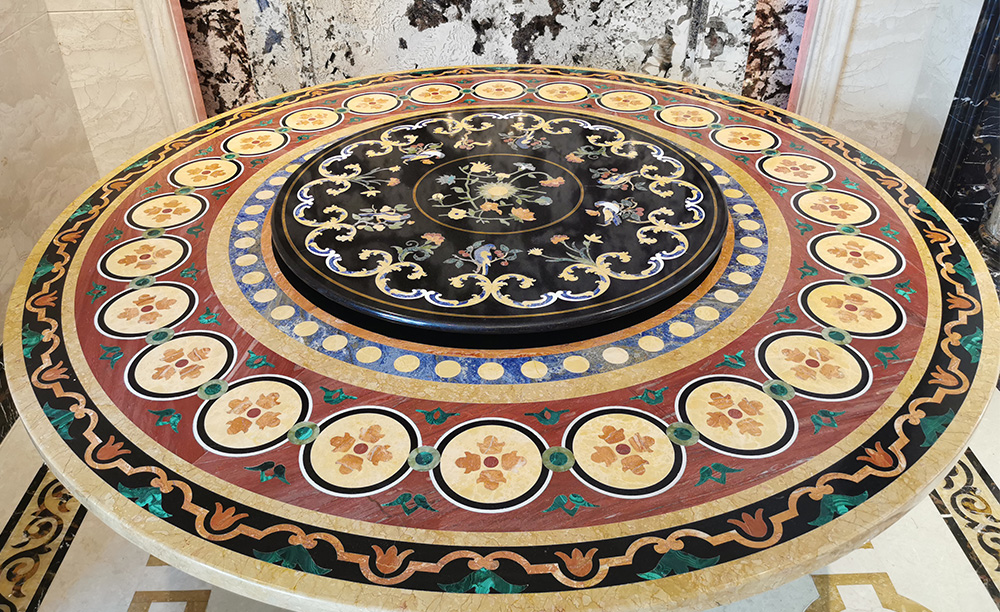
A general guideline is to leave at least 90 cm of clearance around the table for chairs and movement. This allows diners to sit and stand comfortably without disrupting the surrounding space.
- 90–110 cm diameter: suitable for 2–4 people in small dining areas
- 120–135 cm diameter: comfortable for 4–6 people
- 150 cm and above: ideal for larger families or open-plan dining rooms
Selecting the Appropriate Marble Type and Finish
Marble is a natural stone, and each slab is unique. When choosing a round marble dining table, the type of marble significantly affects appearance, durability, and maintenance requirements. Common options include Carrara, Calacatta, and Nero Marquina, each offering distinct veining patterns and color tones.
Finish also matters. Polished marble delivers a glossy, reflective surface that highlights veining, while honed marble offers a matte look that is more subtle and forgiving of scratches. The choice depends on your interior style and tolerance for visible wear.
| Marble Type |
Color Tone |
Visual Effect |
| Carrara |
White with gray veins |
Classic and understated |
| Calacatta |
Bright white with bold veins |
Luxurious and dramatic |
| Nero Marquina |
Black with white veins |
Modern and striking |
Evaluating the Table Base Design and Stability
The base of a round marble dining table is more than a structural element; it plays a key role in stability, comfort, and style. Marble tops are heavy, so a well-engineered base is essential to support the weight and prevent wobbling.
Pedestal bases are popular for round tables because they maximize legroom and create a clean visual profile. However, four-leg bases or sculptural metal frames can offer enhanced stability and a stronger design statement.
Material Choices for Table Bases
Common base materials include metal, solid wood, and stone. Metal bases provide a modern look and high strength, wood adds warmth and contrast to marble, and stone bases create a cohesive, monolithic appearance. Each option influences the table’s weight, durability, and overall style.
Considering Seating Comfort and Chair Compatibility
A round marble dining table should work seamlessly with your chosen dining chairs. The table height, base structure, and edge profile all affect seating comfort. Most dining tables are approximately 75 cm high, which pairs well with standard dining chairs.
When selecting chairs, consider how they tuck under the table and whether armrests interfere with the table edge or base. Upholstered chairs can soften the cool feel of marble, while minimalist chairs maintain a sleek, modern look.
Assessing Durability and Daily Maintenance Needs
Marble is durable but porous, meaning it can absorb liquids and stain if not properly sealed. Understanding maintenance requirements is crucial when choosing a round marble dining table, especially for households with children or frequent entertaining.
Regular sealing helps protect the surface from spills, while daily care involves wiping with a soft cloth and mild cleaner. Avoid acidic substances such as vinegar or citrus juice, which can etch the marble surface.
- Use coasters and placemats to prevent stains
- Clean spills immediately to avoid absorption
- Reseal the surface periodically based on usage
Matching the Table to Your Interior Style
A round marble dining table should complement your overall interior design. In modern interiors, a white marble top paired with a slim metal base creates a clean and sophisticated look. For classic or transitional spaces, marble combined with wood elements adds warmth and timeless appeal.
Color coordination is equally important. The marble’s veining should harmonize with flooring, wall colors, and nearby furniture to create a cohesive dining environment rather than a disconnected focal point.
Budget Considerations and Long-Term Value
Price variations among round marble dining tables can be significant. Factors influencing cost include marble quality, thickness, base material, craftsmanship, and brand reputation. While lower-priced options may use thinner marble or composite materials, higher-end tables often provide superior longevity and refinement.
When evaluating value, consider the table as a long-term investment. A well-made round marble dining table can last decades, retain aesthetic appeal, and even enhance property value when used as a central design element.
Making a Confident and Informed Choice
Choosing a round marble dining table involves balancing beauty, practicality, and durability. By carefully considering size, marble type, base design, seating compatibility, and maintenance needs, you can select a table that fits both your lifestyle and your space.
A thoughtful choice ensures that your round marble dining table becomes more than just furniture. It becomes a functional centerpiece that supports daily living, social interaction, and long-term enjoyment.



 English
 Français
 عربى
عربى italiano