What Makes Marble a Popular Wall Tile Choice
Marble wall tiles are prized for their natural veining, luminous surface, and the sense of timeless elegance they bring to interior spaces. As a metamorphic stone formed from limestone under heat and pressure, marble develops distinctive mineral patterns that make every slab unique, meaning no two marble tile installations look exactly alike, even when cut from the same quarry.
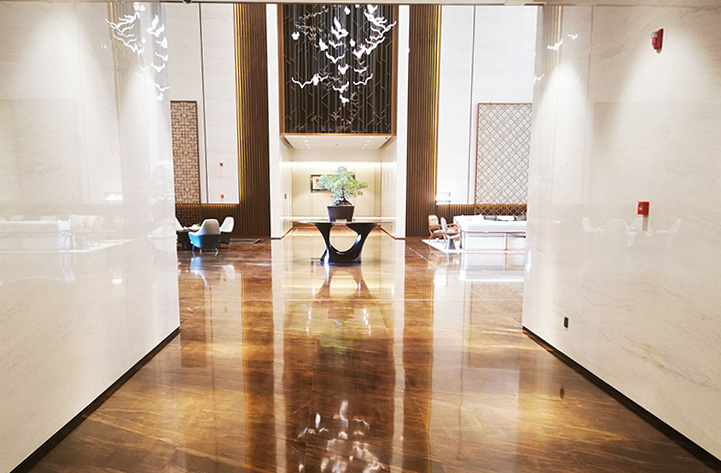
Beyond aesthetics, marble also offers genuine functional benefits as a wall covering. It is naturally cool to the touch, resistant to significant temperature fluctuations, and, when properly sealed, reasonably durable for vertical applications where it is not subject to the same foot traffic and impact as flooring. These qualities make marble a common choice for bathrooms, kitchen backsplashes, and feature walls in both residential and commercial spaces.
Why Veining Patterns Vary So Widely
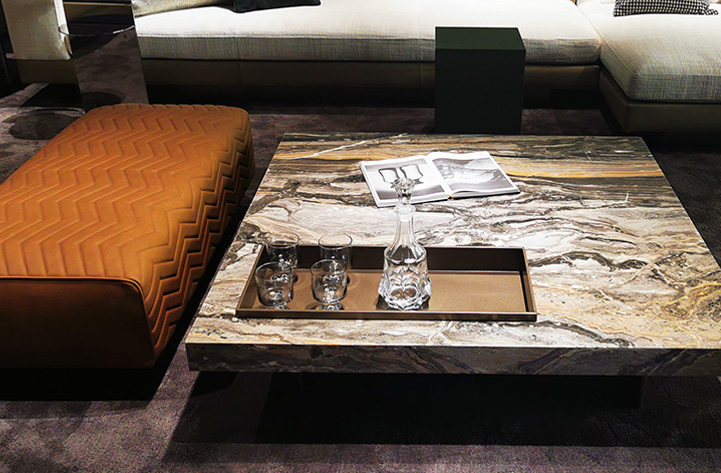
The veining seen in marble comes from mineral impurities, such as iron oxide or clay, present during the stone's formation. This is why marble sourced from different regions, or even different sections of the same quarry, can display dramatically different color tones and vein patterns, ranging from subtle grey streaks to bold, dramatic gold or black veining.

Common Types of Marble Used for Wall Tiles
Several marble varieties are commonly used in wall tile applications, each offering a distinct visual character and price point. Understanding these differences helps buyers select a marble that fits both their design vision and budget.
| Marble Type |
Color and Veining |
Common Uses |
| Carrara |
White to grey, soft feathery veining |
Bathrooms, backsplashes, general walls |
| Calacatta |
Bright white, bold gold or grey veining |
Feature walls, luxury interiors |
| Emperador |
Rich brown with lighter veining |
Warm-toned bathrooms, accent walls |
| Nero Marquina |
Deep black with white veining |
Bold accent walls, modern designs |
| Crema Marfil |
Warm beige with subtle veining |
Neutral, versatile wall applications |
Choosing Marble Based on Room Style
Lighter marbles like Carrara and Crema Marfil work well in smaller spaces where reflecting light helps a room feel larger and brighter, while darker options like Nero Marquina and Emperador are often reserved for accent walls or larger spaces where their bold presence can be fully appreciated without overwhelming the room.
Finish Options for Marble Wall Tiles
The surface finish applied to marble tiles significantly affects both appearance and maintenance requirements. Selecting the right finish depends on the desired aesthetic and the practical demands of the installation location.
- Polished finish: Offers a high-gloss, reflective surface that enhances color depth and veining, popular for feature walls and formal spaces.
- Honed finish: Provides a smooth but matte surface, offering a softer, more contemporary look while hiding minor scratches better than polished marble.
- Tumbled finish: Creates a slightly textured, aged appearance often used in rustic or Mediterranean-style interiors.
- Brushed finish: Produces a subtly textured surface with a worn, antique look, commonly chosen for traditional or transitional designs.
Best Applications for Marble Wall Tiles
Marble wall tiles are used across a range of interior settings, though certain applications tend to showcase the material's strengths more effectively than others. Understanding where marble performs best helps ensure a successful, long-lasting installation.
Bathrooms remain one of the most popular locations for marble wall tiles, particularly in shower surrounds and behind vanities, where the stone's natural coolness and elegant appearance elevate the overall design. Kitchen backsplashes are another common application, though homeowners should be mindful of marble's porosity near cooking areas where oil splatters and acidic spills are more likely to occur.
Using Marble as an Accent Feature
Many designers use marble wall tiles selectively as an accent rather than covering an entire room, such as a fireplace surround or a single statement wall behind a bed or sofa. This approach allows the natural beauty of marble to stand out while managing overall material costs.
How to Care for Marble Wall Tiles
Because marble is a porous natural stone, sealing is essential to protect it from staining, particularly in areas exposed to moisture or cooking splatter. A quality penetrating sealer should be applied after installation and reapplied periodically, typically every one to two years depending on the level of exposure the tiles receive.
Daily cleaning should involve a pH-neutral stone cleaner rather than acidic or abrasive products, since vinegar, lemon juice, and other common household cleaners can etch the marble surface and dull its finish over time. Wiping up spills promptly, especially in kitchen applications, further helps prevent staining and preserves the tile's appearance for years to come.



 English
 Français
 عربى
عربى italiano