Why A Round Marble Dining Table Suits Many Homes
A round marble dining table brings together two design qualities that many homeowners look for: the natural elegance of stone and the practical benefits of a circular tabletop. Marble's distinctive veining and depth of color give each table a one-of-a-kind appearance, since no two slabs of natural stone are ever identical. This makes a marble dining table not just a functional piece of furniture but often a visual centerpiece for the dining space.
The round shape adds its own set of practical advantages. Without corners, a round table eliminates sharp edges that can be a safety concern in households with young children, and it allows for more flexible seating arrangements, since guests are not confined to fixed positions along straight edges. Round tables also tend to encourage conversation, as every seat is roughly equidistant from the center, making them a popular choice for smaller dining rooms or open-concept living spaces where a rectangular table might feel too rigid or space-consuming.
Understanding Different Types Of Marble Used In Dining Tables
Not all marble is the same, and the specific type used in a dining table affects both its appearance and how it performs over time. Understanding these differences helps buyers set realistic expectations for durability and maintenance.
Carrara Marble
Carrara marble is one of the most widely used varieties in furniture manufacturing, known for its white to blue-gray background with soft, feathery veining. It offers a classic, understated look that fits well with a wide range of interior design styles, from traditional to modern minimalist.
Calacatta Marble
Calacatta marble features a whiter background with bolder, more dramatic veining compared to Carrara, often in gold or gray tones. This variety is generally considered more visually striking and tends to command a higher price due to its rarity and the more distinctive pattern in each slab.
Emperador Marble
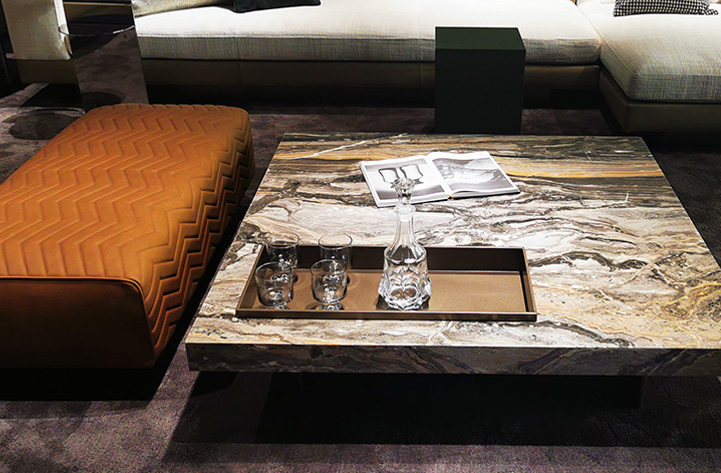
Emperador marble offers a warm brown background with fine white veining, providing a richer, more dramatic contrast than the lighter marble varieties. This type works particularly well in dining spaces with warmer color palettes or more traditional furnishings.
| Marble Type |
Color Profile |
Best Suited Style |
| Carrara |
White with soft gray veining |
Modern, minimalist |
| Calacatta |
White with bold gold or gray veining |
Luxury, statement pieces |
| Emperador |
Brown with white veining |
Warm, traditional |
Choosing The Right Size For Your Space
Selecting the correct diameter for a round marble dining table is one of the most important decisions in the buying process, since an improperly sized table can either overwhelm a room or fail to comfortably seat the intended number of guests.
- A table around 36 to 42 inches in diameter comfortably seats four people and works well in smaller dining nooks or apartments.
- A table around 48 to 54 inches in diameter typically accommodates four to six people, making it suitable for most standard dining rooms.
- A table 60 inches or larger in diameter can seat six to eight people, but requires a correspondingly spacious room to allow comfortable chair movement around the table.
As a general guideline, allowing at least 36 inches of clearance between the table's edge and the nearest wall or furniture ensures enough room for chairs to be pulled out and for people to move around the table comfortably during meals or gatherings.
Solid Marble Versus Marble Veneer Construction
Round marble dining tables are typically constructed in one of two ways, and understanding the difference helps buyers weigh cost against long-term durability expectations.
Solid marble tabletops are cut from a single slab of natural stone, offering maximum durability and the most authentic appearance, since the veining pattern runs consistently through the entire thickness of the material. However, solid marble tables are significantly heavier and more expensive than veneer alternatives, and their weight can make transportation and placement more challenging, particularly in upper-floor apartments without elevator access.
Marble veneer tabletops consist of a thin layer of natural marble bonded to a more lightweight substrate, such as engineered wood or composite material. This construction reduces both weight and cost while still providing the visual appeal of natural stone on the surface. Veneer tables are a practical option for buyers who want the marble aesthetic without the expense or logistical challenges of solid stone furniture, though the tabletop edge may need to be finished carefully to conceal the substrate layer beneath the veneer.
Base Material And Design Considerations
The base of a round marble dining table plays an important role in both the table's overall stability and its visual character, and it is typically made from a different material than the tabletop itself due to marble's weight and cost as a structural material.
- Metal bases, often finished in brass, black, or chrome, provide strong structural support while contributing a modern or industrial visual element to the table.
- Wood bases offer a warmer, more traditional look and can be selected to complement or contrast with the marble's color and veining pattern.
- Pedestal-style bases, whether metal or wood, provide a single central support column, which maximizes legroom and creates a cleaner visual line beneath the table.
Buyers should confirm that the base is rated to support the tabletop's weight, particularly for solid marble tables, since an undersized or poorly engineered base can lead to instability or long-term structural issues.
Caring For A Marble Dining Table
Marble is a porous natural stone, which means it requires specific care practices to maintain its appearance and prevent long-term damage. Spills, particularly from acidic substances such as citrus juice, wine, or vinegar, should be wiped up promptly, since prolonged contact can cause etching, a dulling or discoloration of the marble surface that occurs when the stone's calcium carbonate reacts with acid.
Applying a marble sealant periodically helps reduce the stone's porosity and provides an added layer of protection against staining. The frequency of resealing depends on the specific sealant product and how heavily the table is used, but many manufacturers recommend resealing every six to twelve months for tables in regular daily use.
For everyday cleaning, a soft cloth with mild soap and water is generally sufficient, and abrasive cleaners or scouring pads should be avoided, as they can scratch the marble surface. Using coasters, placemats, and trivets for hot dishes further protects the tabletop from thermal shock and reduces the likelihood of staining from everyday use.
What To Look For When Buying A Round Marble Dining Table
When evaluating a round marble dining table for purchase, buyers should examine the slab for consistency in color and veining, as well as checking for any existing cracks, chips, or filled areas that could indicate lower-quality stone. Requesting information about the marble's origin and finish, such as polished, honed, or leathered, can also help buyers understand how the surface will look and perform over time, since each finish offers a different balance of shine and stain resistance.
Confirming the table's total weight and base construction is particularly important for solid marble models, both to ensure the floor and any moving path can accommodate the table's weight and to verify the base provides adequate long-term support. Buyers should also ask about warranty coverage and care instructions specific to the marble type and finish selected, since this information helps set realistic expectations for maintenance and long-term appearance.
With proper selection and consistent care, a round marble dining table can serve as both a durable everyday dining surface and a lasting centerpiece that enhances the overall character of a home's dining space for many years.



 English
 Français
 عربى
عربى italiano