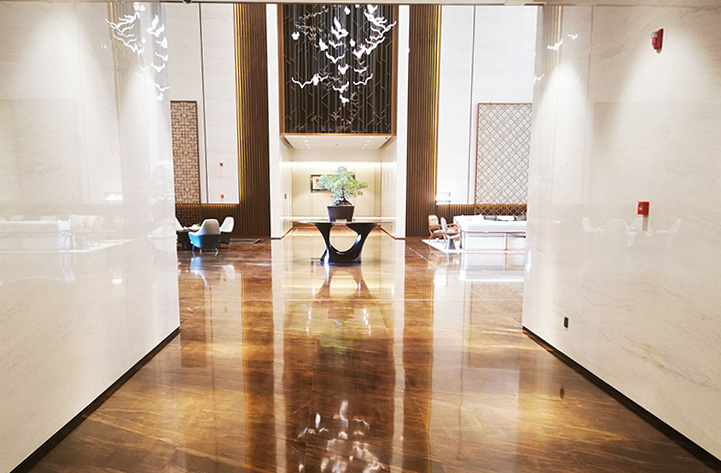
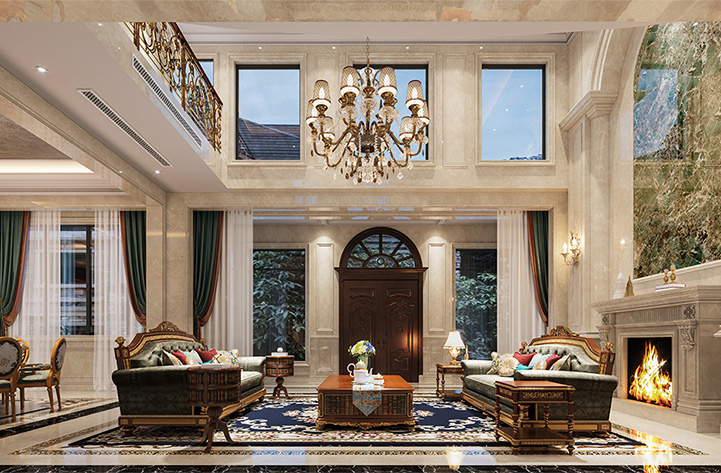
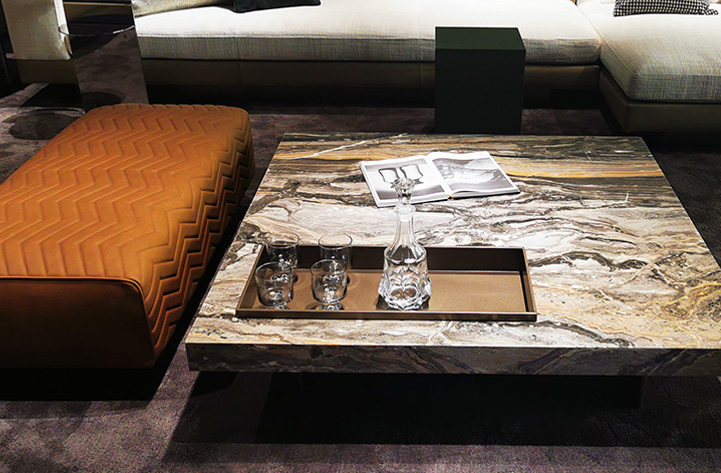
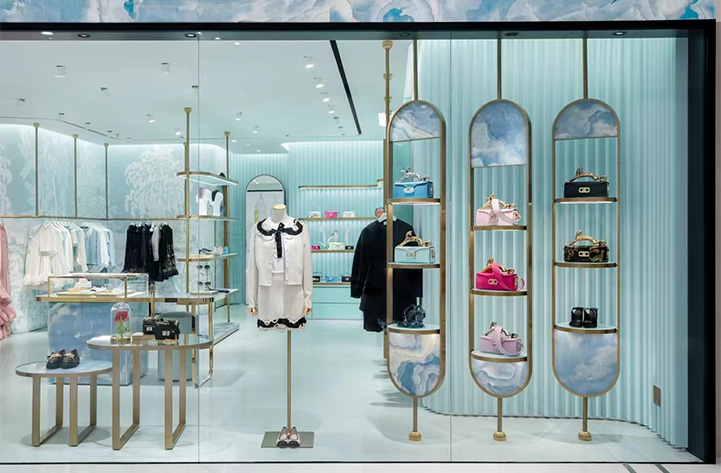
Polished marble tiles are a popular choice in interior design due to their elegant appearance, natural veining, and reflective surface. They are commonly used in flooring, wall cladding, and countertops, adding a luxurious touch to both residential and commercial spaces. Choosing the right polished marble tile requires careful consideration of aesthetics, durability, and functionality to ensure the final installation meets both visual and practical expectations.
This article provides a comprehensive guide to selecting polished marble tiles, covering types, finishes, sizes, and maintenance considerations.
Understanding Different Types of Polished Marble
Carrara Marble
Carrara marble is one of the most widely recognized types, known for its white to gray base with soft veining. It is ideal for both modern and classic designs, providing a subtle and elegant look. Its moderate durability makes it suitable for flooring, walls, and countertops with regular maintenance.
Calacatta Marble
Calacatta marble features a whiter background with bolder, dramatic veining. It is often considered a premium option for statement areas such as feature walls or luxury countertops. Due to its rarity, it tends to be more expensive than other types of polished marble.
Emperador Marble
Emperador marble is a darker variety with brown and beige tones, often used for contrasting décor elements. Its rich colors add warmth to interior spaces and are suitable for flooring and accent walls in high-traffic areas.
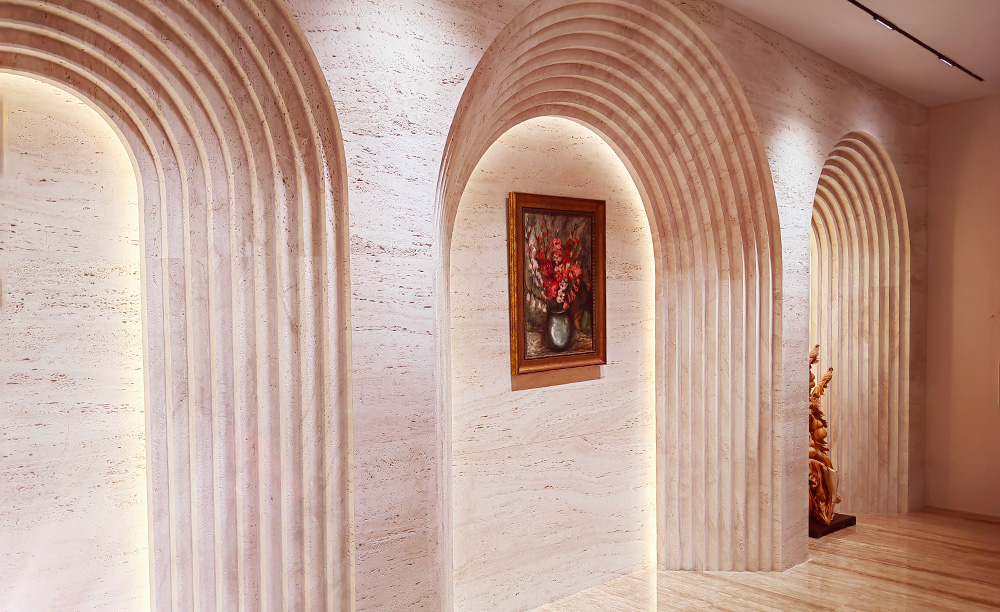
Considerations for Flooring Applications
When selecting polished marble for flooring, it is important to balance aesthetics with functionality. Consider the following factors:
- Durability: Choose marble with higher hardness and less porosity to withstand foot traffic.
- Slip Resistance: Polished surfaces can be slippery; consider adding rugs or selecting honed options in high-moisture areas.
- Tile Size: Larger tiles create a more seamless look, while smaller tiles are better for complex patterns or areas with irregular shapes.
- Color Consistency: Ensure selected batches match in tone and veining to maintain uniformity across the floor.
Considerations for Wall Cladding
For walls, polished marble tiles enhance visual appeal and can serve as focal points. Consider the following:
- Weight and Adhesion: Thicker tiles may require reinforced backing or professional installation to prevent detachment.
- Pattern Alignment: Plan veining and patterns carefully for continuous and harmonious wall design.
- Moisture Resistance: In wet areas like bathrooms, seal the marble to prevent water penetration and staining.
Considerations for Countertops
Countertops demand marble that balances beauty with practicality. Key factors include:
- Scratch and Stain Resistance: Choose marble with lower porosity or apply protective sealants to prevent damage from kitchen use.
- Edge Profile: Select edges that suit the style and offer safety, such as beveled or bullnose profiles.
- Color and Pattern: Bold veining works well for statement countertops, while subtle patterns are ideal for understated elegance.
Maintenance and Cleaning Tips
Polished marble requires regular maintenance to preserve its luster and prevent damage. Recommended practices include:
- Use pH-neutral cleaners to avoid etching the surface.
- Seal the marble periodically to prevent stains and moisture penetration.
- Wipe up spills immediately, especially acidic substances like lemon juice or vinegar.
- Avoid abrasive cleaning tools that can scratch the polished surface.
Comparison of Polished Marble Tile Types
| Marble Type |
Color/Pattern |
Best Use |
Maintenance |
| Carrara |
White/Gray, soft veining |
Flooring, walls, countertops |
Moderate |
| Calacatta |
White, dramatic veining |
Luxury countertops, feature walls |
High |
| Emperador |
Brown/Beige, rich veining |
Accent flooring, walls |
Moderate |
Conclusion
Selecting the right polished marble tiles requires consideration of type, application, durability, and maintenance. By evaluating these factors, homeowners and designers can achieve a harmonious combination of style and functionality in floors, walls, and countertops.
Proper installation and maintenance ensure that polished marble surfaces retain their elegance and durability over time, making them a lasting investment in both aesthetics and property value.



 English
 Français
 عربى
عربى italiano