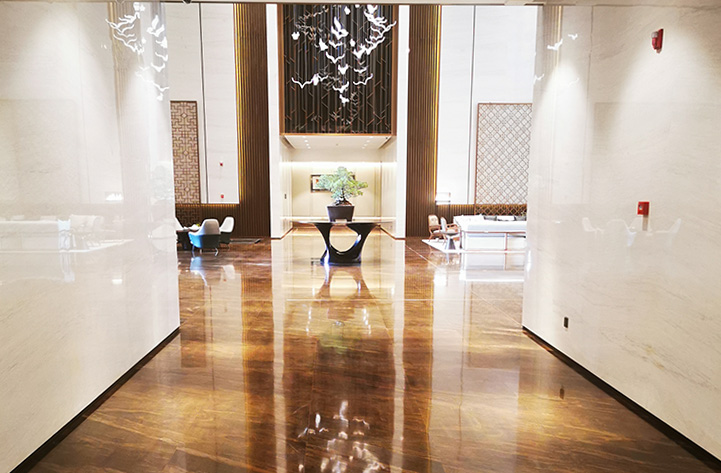
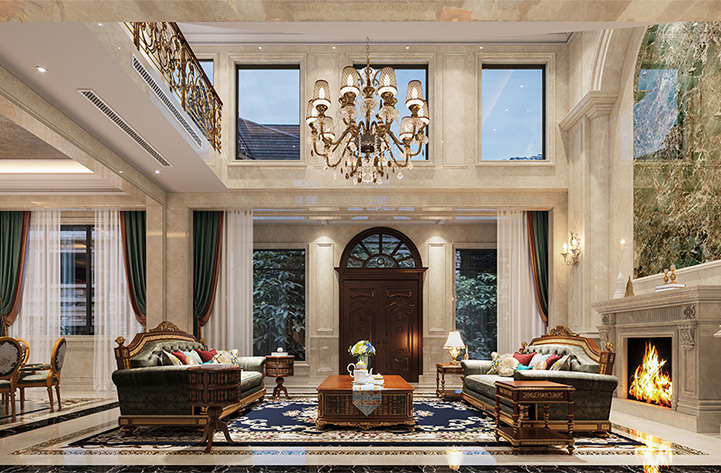
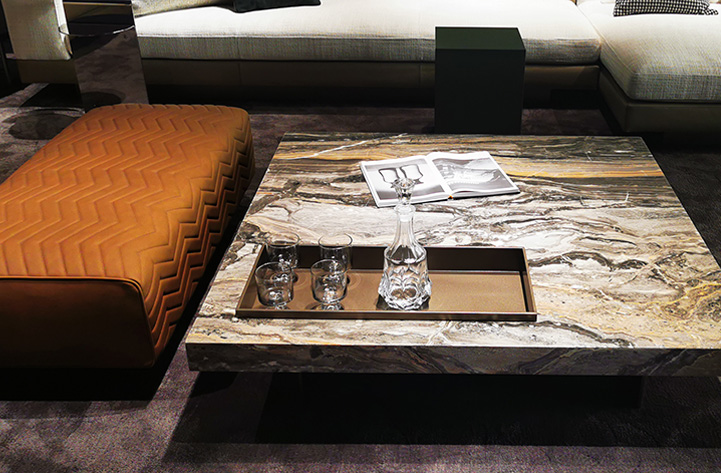
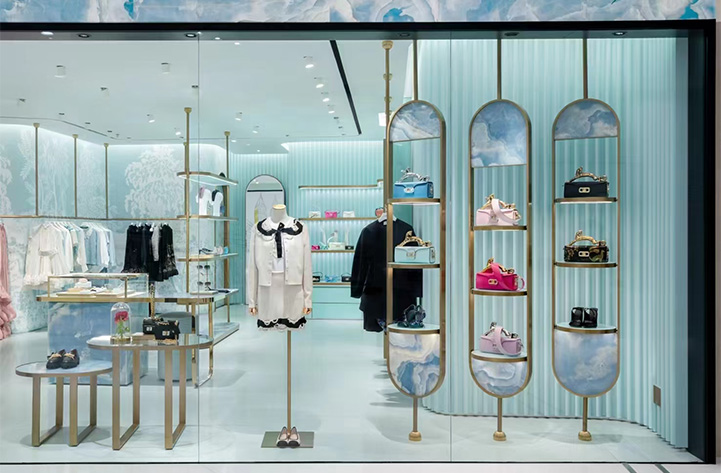
A shopper may never be able to explain why one boutique feels expensive and another feels ordinary, but the difference almost always sits in the surfaces. The same handbag placed on a lacquered MDF cube reads very differently from the same bag resting on a honed travertine plinth with a shadow gap at its base. That is the quiet work of decorative stone: it holds the light, gives weight to the product, and makes a room feel considered rather than assembled.
We have spent years cutting and finishing stone for furniture makers, hotels and retail brands, and the retail work is always the most demanding. Store fixtures live in a strange middle ground — they must look permanent but be installed in a six-week fit-out window, and they must survive hundreds of hands, trolleys and cleaning crews without losing their polish. This article walks through what decorative stone props actually are, how to match material to fixture, and what to watch for before you sign off a sample.
What Counts as a Decorative Stone Prop in a Luxury Store?
In retail fit-out language, a "prop" is any stone element that carries the brand rather than the building. It is rarely structural, but it is almost always the thing customers photograph. The category usually includes:
- Display plinths, cubes and risers in a range of heights
- Nesting blocks and low tables used for capsule displays
- Cash wraps, service counters and their front cladding panels
- Wall panels behind shelving, mirrors and signage
- Cabinet doors, drawer fronts and internal drawer linings
- Thresholds, floor inlays and perimeter trims
- Carved or inlaid logo panels and brand plaques
The common thread is that each piece is drawn for a specific location, often to the millimetre, and produced as a finished object rather than as raw slab. That is a different kind of work from supplying tiles or slabs, and it is where most retail stone projects succeed or fail.
Why Natural Stone Earns Its Place in High-End Retail
Designers specify stone for luxury retail for reasons that go well beyond appearance:
- Presence without noise. Stone gives a display mass and stability, so a product sits rather than floats. It signals that the object on top matters.
- One-of-a-kind character. No two slabs carry the same veining. A brand that wants its interiors to feel individual gets that quality for free from the material itself.
- Surfaces that survive contact. A correctly finished marble or granite face resists scuffs, rings and daily cleaning far better than painted timber or laminate.
- Tactile honesty. Customers touch plinths. The cool, dense feel of real stone is difficult to imitate convincingly.
- Graceful ageing. Stone develops a soft patina in high-traffic areas instead of chipping away at the corners.
The trade-off is consistency. Natural stone varies from block to block, so a run of eight plinths needs to be cut from matched material and finished by the same team, or the set will read as a collection of unrelated pieces. Ask any supplier how they control that before you approve a sample.
Matching the Stone to the Fixture
Different fixtures put different demands on the material. The table below is the short version we use when talking a designer through a first selection.
Suggested pairings only — a physical sample viewed under the store's own lighting should always make the final decision.
| Fixture Type |
Common Stone Choice |
Typical Finish |
Why It Works |
| Display plinth or riser |
Marble, travertine |
Honed or polished, 20–40 mm |
Solid mass anchors the product on display |
| Cash wrap or service counter |
Marble, granite |
Polished top, honed body |
Handles daily abrasion and cleaning |
| Feature wall behind shelving |
Marble, jade, exotic stone |
Polished, book-matched |
Creates depth and reflection behind product |
| Cabinet fronts and drawers |
Travertine, marble |
Honed, matte |
Softens hard retail lighting and glare |
| Floor inlay or threshold |
Granite, travertine |
Honed or brushed |
Wears evenly under constant footfall |
Stone Options Worth Considering
Marble
The default for luxury retail, and for good reason. White or pale grey marbles with soft veining give plinths an almost sculptural quality, while darker marbles with dramatic movement suit feature walls and cash wraps. Polished surfaces reflect product and lighting; honed surfaces feel calmer and hide fingerprints better in high-touch areas.
Travertine
Travertine brings warmth that polished marble sometimes lacks. Its gentle banding and small natural voids read as texture rather than pattern, which makes it very forgiving across large plinth runs. Filled and honed travertine is the practical choice for display pieces; unfilled versions should be reserved for areas where the open texture is deliberate.
Jade and Exotic Stone
For a single statement piece — a backlit brand wall, a hero plinth in a flagship — translucent and unusual materials do work that ordinary marble cannot. Green and onyx-type stones glow when backlit and turn a display into a focal point. They are also the materials that most reward careful selection, so it is worth reviewing several slabs before committing.
If you are exploring this route, our luxury stone collection covers the translucent and richly figured options we hold for retail and hospitality work.
Granite
Often overlooked in luxury interiors, dark fine-grained granite is excellent for counters and floor trims where durability matters more than pattern. It takes a very crisp edge and holds a polish under heavy use.
Details That Separate a Good Prop From a Great One
Most of the quality in a stone prop is invisible once it is installed, but it is decided long before. The points below are the ones we raise with clients early, because changing them later is expensive:
- Edge profile. A mitred edge hides lamination and gives a plinth the look of solid block. A small chamfer or a 2 mm arris reads sharper than a heavy round-over, which can look soft in strong light.
- Base and shadow gap. Recessing the plinth 10–15 mm from the floor creates the floating effect designers want, but the base must still be engineered to carry the load safely.
- Vein continuity. Book-matched panels and sequenced plinths need a layout drawing before cutting, not after.
- Finish consistency. Gloss levels vary between operators and between batches. Insist on the same finishing line for the whole fixture set.
- Weight and access. A 40 mm marble plinth is heavy and often has to travel through a mall service corridor. Plan lifting points and delivery routes with the contractor.
From Drawing to Installation-Ready Prop
The retail projects that run smoothly are the ones where the fabrication sequence is agreed at the start. Our own workflow looks like this:
- Review the drawings and flag any dimension, fixing or weight issue before quoting.
- Prepare physical samples of the specified stone in the specified finish.
- Obtain written sample approval, including any accepted variation in veining.
- Scan the selected slabs at high resolution to build an accurate layout plan.
- Cut to the approved layout using precision equipment, with cut-outs for fixings and services.
- Dry-lay the finished pieces and check layout and gloss performance before release.
- Protect, crate and ship so the goods arrive ready to install.
You can read more about the equipment and inspection steps on our capabilities page. The key promise for retail clients is simple: the pieces arrive finished, so site time is spent installing rather than correcting.
Fitting Stone Props Into a Retail Programme
Store fit-outs are run to a date, and stone has to slot into that rhythm. Two practical notes from experience. First, sample approval is usually the longest single step, so start it as early as the drawings allow; approving a finish takes a week, approving a material that has to be sourced can take considerably longer. Second, always build a mock-up section before full production. Seeing one plinth and one panel under the actual store lighting catches finish and colour issues that no photograph will reveal.
Where a programme is phased, it also helps to agree at the outset which pieces can be delivered as a first batch, so that installation crews are never waiting on a single outstanding item.
Where to Start
Most retail interiors need three things from the same supplier: a display prop, a counter and a wall surface that visually agree with each other. Cutting all three in one workshop means the veining and finish can be matched across the whole fixture set instead of being sourced from three suppliers and hoping they blend.
 Custom Stone Props for Luxury Retail DisplaysBrowse 12 stone props for plinths, risers and cabinet fronts, with marble, granite and onyx options that can match surrounding retail fixtures.View Product →
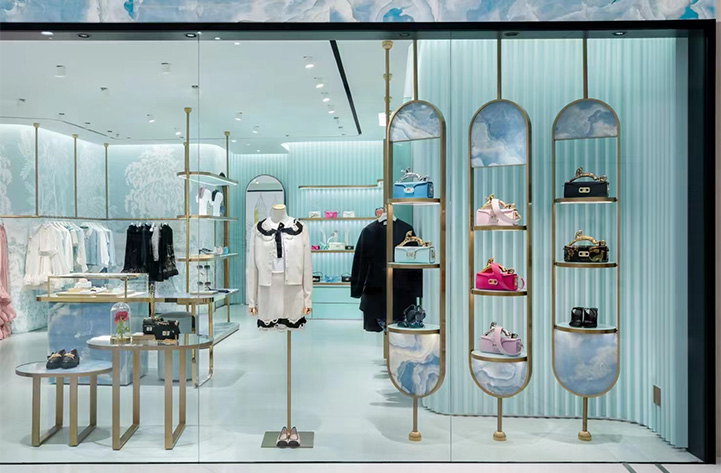
Start with the props themselves — plinths, risers, cabinet fronts and the wall and floor elements that sit around them.
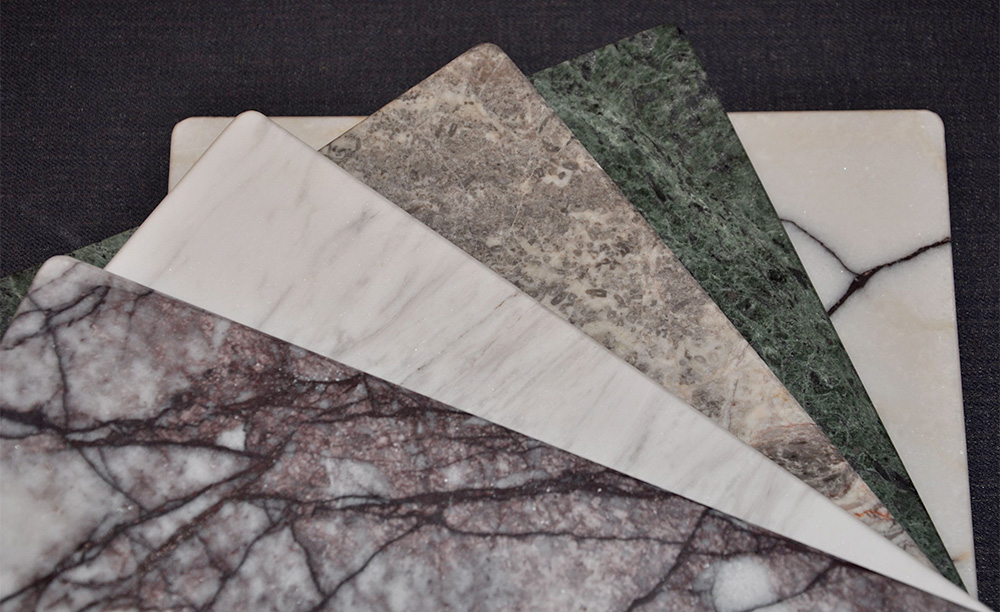 Custom Marble Countertops for Retail and HospitalityView 14 stone countertops, including marble cash wraps and reception counters, to carry matched finishes through retail and hospitality interiors.View Product →
Then match the cash wrap and service counters so the finishes carry through the whole customer journey.
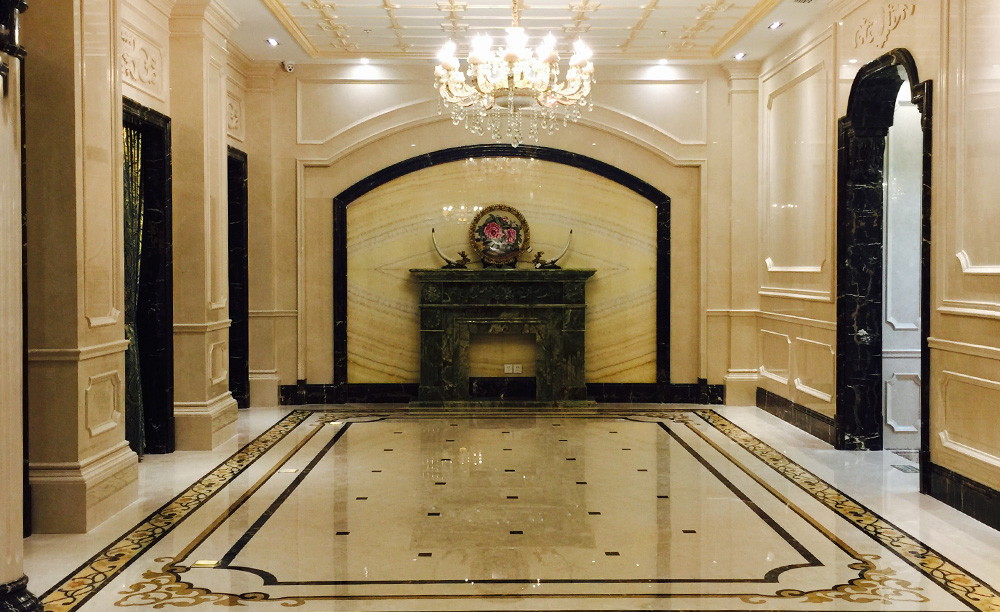 Marble Wall Cladding and Tiles for High-End InteriorsBrowse 19 stone wall options for lobbies, reception areas and feature walls, with marble cladding and tiles suited to luxury interiors.View Product →
And finally the wall surfaces, which set the tone behind every shelf and display.
Decorative stone props are a small part of a store's budget and a large part of how it is remembered. Get the material, the finish and the fabrication sequence right, and the stonework disappears into the experience of the brand. Get them wrong, and every customer feels it without quite knowing why. If you are at the drawing stage, send us the details and we will tell you honestly what will work, what will not, and what it will take to make the pieces arrive ready to install.



 English
 Français
 عربى
 italiano