Understanding Different Types of Marble for Countertops
Selecting the right marble type forms the foundation of a successful countertop project, as different varieties offer distinct aesthetic qualities, durability characteristics, and maintenance requirements. Carrara marble, quarried in the Carrara region of Italy, stands as one of the most popular choices for countertops due to its classic white or blue-gray background with soft, feathery veining. This marble offers excellent value while providing the timeless elegance associated with natural stone. Calacatta marble, also from Italy, commands premium pricing due to its whiter background and bolder, more dramatic gold or gray veining patterns. The striking contrast in Calacatta makes it highly sought after for statement countertops, though its rarity translates to significantly higher costs per square foot.
Statuario marble represents the pinnacle of luxury marble selections, featuring brilliant white backgrounds with bold gray veining similar to Calacatta but typically more linear and pronounced. This rare marble comes from limited quarries and carries the highest price points in the marble market. For homeowners seeking warmer tones, Crema Marfil from Spain provides beige and cream backgrounds with subtle veining, creating a softer, more neutral aesthetic that complements traditional and transitional design schemes. Each marble type exhibits unique characteristics influenced by mineral composition, geological formation conditions, and quarry location. Understanding these distinctions enables informed decision-making that aligns aesthetic preferences with budget constraints and practical considerations for long-term satisfaction with your countertop investment.
Evaluating Slab Quality and Structural Integrity
Assessing marble slab quality requires careful examination of multiple factors that influence both appearance and performance. Begin by inspecting the slab surface for cracks, fissures, or weak points that could compromise structural integrity during fabrication or use. Natural fissures, which appear as hairline separations in the stone, occur commonly in marble due to geological formation processes and generally do not affect functionality when properly supported. However, distinguish these from actual cracks that penetrate deeper into the stone and may propagate over time. Run your hand across the slab surface feeling for irregularities, pitting, or rough patches that indicate lower quality stone or inadequate polishing. High-quality marble slabs exhibit smooth, consistent surfaces with uniform polish across the entire piece.
Examine the slab edges and back surface for signs of resin filling or mesh backing, which fabricators apply to reinforce weaker stones. While these treatments can make otherwise unusable marble viable for countertop applications, excessive reinforcement suggests lower quality material that may present maintenance challenges over time. Check for consistent thickness throughout the slab, as variations indicate cutting irregularities that complicate fabrication and installation. Request information about the slab's specific quarry origin, as marble from established, reputable quarries typically offers more consistent quality and coloration. When possible, view multiple slabs from the same lot to ensure adequate material for your project while maintaining color and pattern consistency across all countertop sections.
| Marble Type |
Color Range |
Veining Character |
Relative Cost |
| Carrara |
White to blue-gray |
Soft, feathery, subtle |
$40-$100/sq ft |
| Calacatta |
Bright white |
Bold, dramatic, gold/gray |
$180-$300/sq ft |
| Statuario |
Pure white |
Linear, pronounced gray |
$250-$400/sq ft |
| Crema Marfil |
Cream to beige |
Minimal, warm tones |
$50-$120/sq ft |
Analyzing Veining Patterns and Movement
The veining pattern represents marble's most distinctive aesthetic feature and significantly influences overall design impact. When selecting slabs, consider how veining direction, density, and color will translate to your finished countertops. Some homeowners prefer subtle, delicate veining that provides texture without overwhelming the space, while others seek dramatic, bold patterns that serve as focal points in kitchen or bathroom designs. Examine how veins flow across the slab, envisioning how these patterns will appear when cut and arranged in your specific layout. Veins running predominantly in one direction offer opportunities for book-matching, where adjacent slabs are mirrored to create symmetrical patterns, or for creating continuous flow across long countertop runs.
Pay attention to vein color variations within individual slabs, as some marble exhibits multiple vein colors ranging from gray to gold to brown within the same piece. Consider whether these color variations complement or clash with your overall color scheme and design aesthetic. Movement, the term describing overall pattern activity across the slab surface, ranges from minimal in stones with sparse, thin veining to highly active in dramatically veined varieties. High-movement marble creates visual interest but can compete with other design elements, while low-movement marble provides subtle elegance that allows other features to shine. Request that fabricators lay out proposed slab cuts digitally or physically before fabrication, allowing you to visualize exactly how veining will appear in finished countertops and make adjustments to optimize pattern placement.
Considering Finish Options Beyond Polished Surfaces
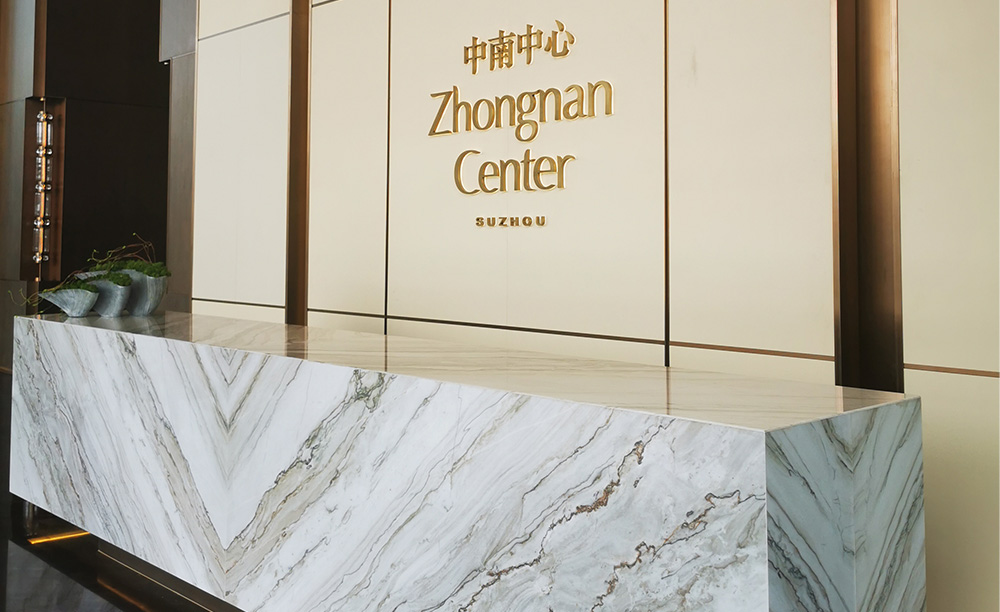
While polished marble remains the most popular choice for countertops due to its glossy, reflective surface that showcases color and veining, alternative finishes offer distinct advantages worth considering. Honed marble features a matte, smooth surface created by stopping the polishing process before achieving high gloss. This finish provides a softer, more contemporary aesthetic while offering practical benefits including reduced visibility of etching and water spots that readily show on polished surfaces. Honed marble feels slightly more tactile and creates a sophisticated, understated look particularly well-suited to modern and transitional design schemes. The matte surface also reduces glare in bright kitchens with abundant natural light.
Leathered finishes, achieved through diamond-tipped brushes that create subtle texture on the stone surface, offer unique tactile qualities and enhanced stain resistance compared to polished marble. This finish maintains most of the stone's color depth while adding dimensional interest and hiding minor imperfections better than smooth finishes. Brushed or antiqued finishes create intentionally aged appearances through mechanical distressing, suitable for rustic or Old-World design aesthetics. Consider that finish choice affects both maintenance requirements and long-term appearance, with polished surfaces requiring more vigilant care to prevent visible etching while honed and textured finishes naturally camouflage minor damage better. Request sample pieces in different finishes to evaluate how each affects the specific marble you've selected, as finish dramatically alters appearance and performance characteristics.
Matching Marble Selection to Usage Intensity
Honest assessment of how you'll use your countertops should directly influence marble selection decisions. High-traffic kitchens with frequent cooking, multiple users, and intensive food preparation demand different considerations than low-use powder room vanities or bar areas. Marble's susceptibility to etching from acidic substances means that households frequently using citrus, wine, vinegar, and tomato-based products should either accept that patina development is inevitable and desirable, or consider more resistant stone options. For committed marble enthusiasts willing to embrace the material's evolving character, selecting darker marbles or varieties with busy veining patterns helps disguise etching and staining that lighter, more uniform stones readily show.
Consider dedicating marble to specific zones based on usage patterns. Install marble on perimeter countertops used primarily for display and light food prep while selecting more durable materials like quartzite or granite for high-use work zones around sinks and cooktops. This hybrid approach allows you to enjoy marble's aesthetic benefits while maintaining practical work surfaces where they're needed most. For bathroom applications where contact with acidic substances is minimal and usage intensity is lower, marble performs exceptionally well with straightforward maintenance. Evaluate your household's lifestyle honestly, including whether you prefer surfaces that maintain pristine appearance indefinitely or can appreciate the natural aging and patina that marble develops through use, which many consider integral to the material's charm and character.
Inspecting Slabs in Proper Viewing Conditions
Viewing marble slabs under appropriate lighting conditions is crucial for accurate color and pattern assessment. Many stone yards display slabs in warehouses with overhead fluorescent or LED lighting that significantly alters color perception compared to how the marble will appear in your home. Request to view top slab candidates outdoors in natural daylight, which provides the most accurate representation of true color and reveals subtle variations invisible under artificial lighting. If outdoor viewing isn't possible, bring portable daylight-balanced LED lights to illuminate slabs during evaluation, supplementing warehouse lighting with more accurate color rendering.
Examine slabs from multiple angles and distances, as appearance changes dramatically based on viewing perspective. Stand back to assess overall pattern and movement, then move close to evaluate surface quality, veining detail, and color consistency. Take photographs in various lighting conditions to compare candidates later in your actual space, and request sample pieces when possible to evaluate in your home alongside existing finishes, cabinetry, and lighting. Water or apply temporary sealer to portions of the slab to preview how the marble will appear when sealed and maintained, as wet stone exhibits deeper color saturation and enhanced vein contrast compared to dry, unsealed surfaces. Many homeowners are surprised by appearance differences between dry slabs at the stone yard and installed, sealed countertops, making this preview step valuable for setting accurate expectations.
Calculating Accurate Material Quantities and Waste Factors
Accurate quantity calculations prevent costly shortages requiring different slabs to complete projects, which often results in visible color and pattern mismatches. Provide detailed, professionally measured drawings of all countertop areas to fabricators, including cutouts for sinks, cooktops, and any specialty features. Standard marble slabs measure approximately 110 inches by 65 inches, though dimensions vary by quarry and specific material. Work with fabricators to create cutting diagrams showing how your countertop sections will be arranged on available slabs, optimizing material usage while maintaining desired veining orientation and pattern matching across seams.
Expect waste factors of 20-35% for typical countertop projects, with complex layouts featuring multiple angles, cutouts, or intricate edge details requiring higher allowances. This waste accounts for optimizing grain direction, avoiding defects, accommodating seam placement, and providing material for edge treatments and backsplashes. When calculating quantities, round up conservatively to ensure adequate material from the same lot, as obtaining additional matching slabs later may be impossible if the quarry block is exhausted. Consider purchasing extra material beyond minimum requirements for future repairs or additions, storing surplus slabs properly to maintain condition. Many homeowners regret not purchasing sufficient material when they later want to add matching elements like window sills, fireplace surrounds, or shower benches to complement their countertops.
Understanding Sealing and Long-Term Maintenance Requirements
All marble countertops require proper sealing and ongoing maintenance to preserve appearance and protect against staining. Quality impregnating sealers penetrate marble's porous structure, filling microscopic spaces that would otherwise absorb liquids and stains. However, sealers do not prevent etching from acidic substances, which is a chemical reaction that dulls the marble surface regardless of sealer application. When selecting marble, discuss sealing requirements with your fabricator, including recommended products, application frequency, and expected performance. Premium sealers may last 6-12 months before requiring reapplication, while basic products need more frequent renewal every 3-4 months in high-use areas.
- Apply impregnating sealer immediately after installation and regularly thereafter according to manufacturer recommendations
- Clean daily with pH-neutral cleaners specifically formulated for natural stone, avoiding acidic or alkaline products
- Wipe spills immediately, particularly acidic substances like wine, citrus, tomato sauce, and coffee
- Use cutting boards, trivets, and protective mats to prevent scratching, heat damage, and direct contact with staining agents
- Test sealer effectiveness quarterly by applying water drops that should bead rather than absorb into the surface
- Address stains promptly using poultice treatments designed for marble before they set permanently
- Schedule professional polishing every 3-5 years to restore surface luster and remove accumulated etching
Evaluating Fabricator Expertise and Installation Quality
Fabricator selection proves equally important as slab selection, as skilled craftsmanship dramatically affects final results. Research potential fabricators thoroughly, requesting references from recent marble installations and visiting completed projects when possible. Experienced marble fabricators understand the material's unique characteristics including natural fissures, varying hardness across different marble types, and optimal cutting techniques that minimize chipping and breakage. Ask about specific equipment and methods used for cutting, polishing edges, and creating cutouts, as advanced technology including CNC machinery and water jet cutting produces superior results compared to basic equipment.
Discuss seam placement strategies during fabrication planning, as visible seams significantly impact aesthetic results. Skilled fabricators strategically locate seams in less conspicuous areas such as over dishwashers, at natural breaks in countertop layout, or aligned with cabinet divisions. Request book-matching or sequencing for adjacent slabs when continuity of veining pattern is important, though this technique requires additional material and may increase costs. Verify that fabricators provide adequate support structure beneath marble installations, as this relatively soft stone requires more robust substrate support than harder materials like granite. Confirm warranty coverage for fabrication defects, installation issues, and material failures, understanding what circumstances are covered and excluded. Superior fabricators stand behind their work with comprehensive warranties and responsive service for addressing any problems that arise after installation.
Comparing Natural Marble to Engineered Alternatives
Before committing to natural marble, objectively compare it to engineered alternatives that simulate marble's appearance while offering enhanced performance characteristics. Quartz surfaces with marble-like patterns provide superior stain and etch resistance, require no sealing, and offer more consistent coloration across large installations. However, these engineered products lack the depth, translucency, and natural variation that give authentic marble its distinctive character. Porcelain slabs featuring marble patterns offer extreme durability and design flexibility at competitive pricing, though they similarly cannot replicate genuine marble's subtle qualities that develop only through geological processes spanning millions of years.
For many homeowners, marble's unique aesthetic qualities, prestige, and the way it develops patina over time justify accepting higher maintenance requirements and greater vulnerability to damage. The material's cool touch, natural variation, and luminous quality create ambiance that engineered products cannot fully duplicate despite advancing manufacturing technology. Make this decision based on honest assessment of priorities including whether you value authentic materials and can embrace their imperfections, or prefer predictable performance and minimal maintenance above aesthetic distinctions. There is no universally correct answer, only the choice that aligns with your specific values, lifestyle, and design vision for spaces where these countertops will serve as prominent features for years to come.
Selecting the perfect marble slab for countertops requires balancing aesthetic preferences with practical considerations including budget, usage patterns, and maintenance willingness. By systematically evaluating marble types, quality indicators, veining characteristics, finishes, and fabrication expertise while maintaining realistic expectations about the material's performance, you can make informed decisions that result in beautiful, functional countertops providing years of satisfaction. Marble's timeless elegance and unique character make it a rewarding choice for those prepared to invest the care and attention this noble material deserves.



 English
 Français
 عربى
عربى italiano