Why Choose a Round Marble Dining Table
A round marble dining table combines the natural elegance of stone with a shape that has long been associated with comfortable, inclusive dining. Marble's distinctive veining and lustrous surface give each table a one-of-a-kind appearance, since no two slabs of natural stone are ever identical. Beyond aesthetics, the round shape offers practical advantages, including easier conversation across the table, no sharp corners to navigate around, and a layout that tends to fit more comfortably in square or irregularly shaped dining rooms compared to rectangular alternatives.
Round marble tables are often chosen as a statement piece in both formal and casual dining spaces, as the material conveys a sense of permanence and luxury that few other tabletop materials can replicate. However, choosing the right table involves understanding the different marble types, construction methods, and maintenance requirements involved, all of which directly affect the table's long-term appearance and durability.
Types of Marble Used in Dining Tables
Not all marble is created equal, and the specific type used in a dining table significantly affects its color, veining pattern, and overall durability. Understanding these differences helps buyers select a table that matches their design preferences while meeting practical performance expectations.
| Marble Type |
Typical Appearance |
Durability Level |
| Carrara Marble |
White with soft gray veining |
Moderate |
| Calacatta Marble |
White with bold, dramatic veining |
Moderate |
| Emperador Marble |
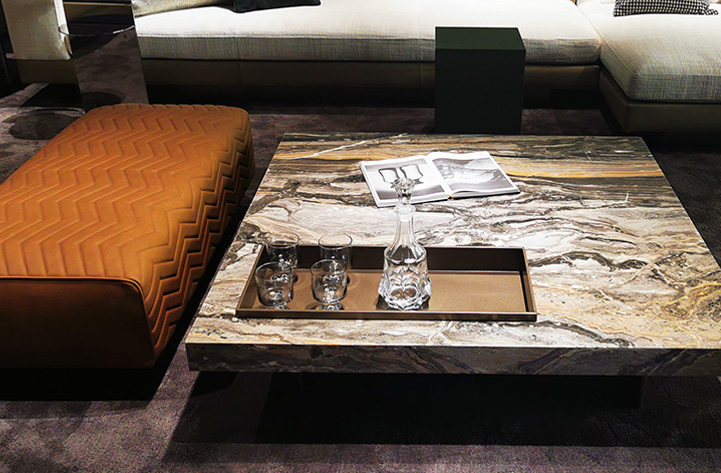
Rich brown with fine veining |
Good |
| Nero Marquina |
Black with white veining |
Good |
| Green Marble |
Deep green with organic patterns |
Moderate |
While white marbles like Carrara and Calacatta remain the most popular choices for their timeless appeal, darker options such as Emperador and Nero Marquina are gaining popularity for their ability to hide minor surface marks more effectively over time.
Table Construction and Base Options
The base of a round marble dining table plays a significant role in both its stability and overall visual impact. Common base materials include metal, wood, and stone, each offering a different aesthetic and level of structural support. Metal bases, often crafted from brass, stainless steel, or powder-coated steel, tend to provide a strong yet visually lighter look that complements the heaviness of a marble top.
Common Base Styles
- Pedestal base: A single central support column that maximizes legroom and offers a clean, modern look.
- Four-leg base: A traditional configuration offering strong stability, often made from wood or metal.
- Trestle base: A sculptural design that adds visual interest while maintaining structural strength.
- X-frame base: A crossed-leg design that provides stability while allowing light to pass through the structure.
Because marble tabletops are considerably heavier than wood or glass alternatives, it is essential that the base is engineered to support the tabletop's weight without shifting or wobbling over time, particularly for larger diameter tables.
Choosing the Right Size for Your Space
Selecting the appropriate diameter for a round marble dining table depends on both the size of the dining area and the number of people the table needs to seat comfortably. As a general guideline, a table should allow at least 24 inches of space per person around its circumference, with additional clearance needed for chairs to be pulled out and pushed in without obstruction.
| Table Diameter |
Recommended Seating |
| 36 inches |
2 to 4 people |
| 48 inches |
4 to 6 people |
| 60 inches |
6 to 8 people |
It is also important to leave at least 36 inches of clearance between the table's edge and surrounding walls or furniture to allow comfortable movement around the dining area, particularly in rooms that serve multiple functions.
Caring for a Marble Dining Table
Marble is a porous natural stone, which means it requires specific care to prevent staining, etching, and long-term surface damage. Sealing the marble surface periodically, typically once or twice a year depending on usage, helps create a protective barrier against liquid absorption and staining from spills such as wine, coffee, or citrus juices.
Everyday Maintenance Tips
- Wipe spills immediately using a soft cloth to prevent liquids from penetrating the porous surface.
- Avoid acidic cleaners, as vinegar, lemon, and other acidic substances can etch the marble surface.
- Use coasters and placemats to protect the surface from scratches and heat damage from hot dishware.
- Clean with a pH-neutral stone cleaner rather than general household cleaning products.
With consistent care, a round marble dining table can remain a stunning centerpiece of the home for decades, developing a natural patina that many owners find adds character rather than detracts from its appearance.



 English
 Français
 عربى
عربى italiano