Why Choose a Round Marble Dining Table for Your Dining Space?
A round marble dining table combines natural elegance with practical functionality, making it a popular choice for both formal dining rooms and casual eat-in kitchens. Marble's distinctive veining and cool, polished surface bring a timeless quality to a space that few other materials can replicate. Beyond aesthetics, the round shape offers specific advantages in terms of traffic flow, conversation, and seating flexibility that rectangular or square tables cannot always match.
Because marble is a natural stone, no two tables are ever truly identical, which means each piece carries a unique character defined by its veining pattern, color variation, and overall finish. Understanding how to evaluate these qualities, along with practical considerations like size, base construction, and maintenance requirements, helps buyers select a table that will serve their household well for years to come.
Advantages of the Round Shape in Dining Furniture
The circular form of a round dining table offers several functional benefits that make it particularly well suited to certain room layouts and household needs.
Improved Traffic Flow
Without sharp corners, a round table allows people to move around it more freely, which is especially valuable in smaller dining rooms or open-concept spaces where the table sits close to walkways or adjacent furniture. This makes round tables a practical choice for compact apartments or homes with limited dining room square footage.
Enhanced Conversation and Interaction
A round table places every seated guest at an equal distance from the center, which naturally encourages conversation across the entire table rather than isolating people at opposite ends, as often happens with long rectangular designs. This makes round tables particularly popular for households that frequently host intimate gatherings or family dinners.
Flexible Seating Capacity
Round tables can often accommodate an additional guest or two beyond their nominal seating capacity, since there are no fixed corner positions limiting where chairs can be placed. This flexibility is useful for households that occasionally host larger groups but do not want a permanently oversized table taking up daily living space.
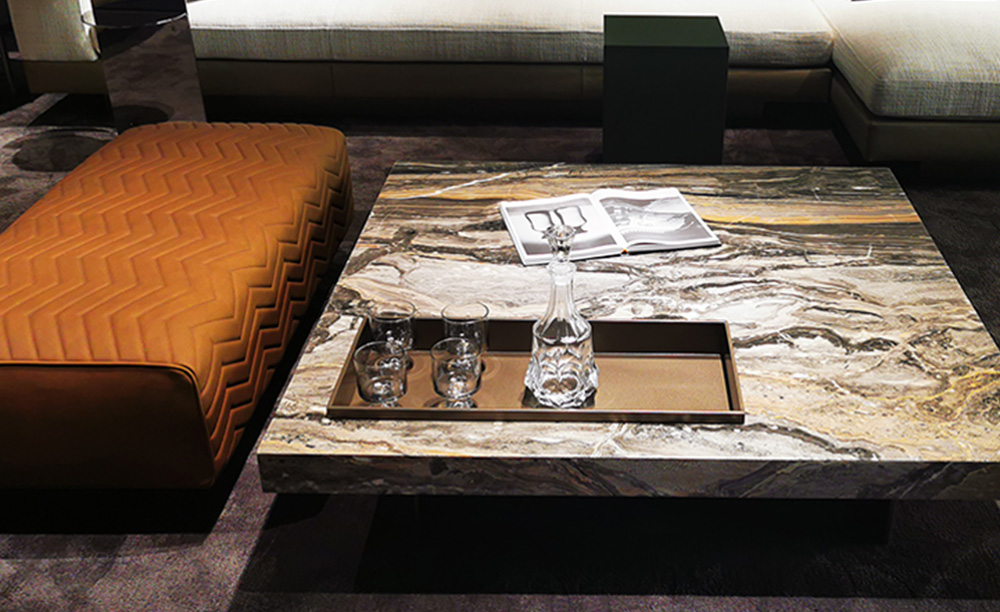
Types of Marble Commonly Used in Dining Tables
Not all marble is created equal, and the specific type used in a dining table significantly affects its appearance, durability, and price point. Understanding these differences helps buyers set realistic expectations for their chosen table.
| Marble Type |
Appearance |
Durability |
| Carrara Marble |
White background, soft gray veining |
Moderate, prone to etching |
| Calacatta Marble |
White background, bold dramatic veining |
Moderate, prone to etching |
| Emperador Marble |
Rich brown tones with fine veining |
Good, hides minor wear well |
| Nero Marquina |
Black background, white veining |
Good, shows scratches less visibly |
Lighter marbles such as Carrara and Calacatta tend to show etching and staining more readily than darker varieties like Emperador or Nero Marquina, which can be an important consideration for households with young children or those who plan to use the table for everyday casual dining rather than occasional formal use.
Choosing the Right Size for Your Space
Selecting an appropriately sized round marble dining table requires balancing seating needs with the available room dimensions. A table that is too large can overwhelm a space and restrict movement, while one that is too small may feel out of proportion or fail to comfortably seat the intended number of guests.
- 36 to 42 inches in diameter comfortably seats two to four people
- 44 to 54 inches in diameter comfortably seats four to six people
- 56 to 66 inches in diameter comfortably seats six to eight people
- Allow at least 36 inches of clearance around the table for comfortable chair movement
Measuring the intended dining space carefully before purchasing, including accounting for clearance needed to pull chairs out fully, helps avoid the common mistake of selecting a table that looks appropriately sized in a showroom but proves too large or too small once placed in the actual room.
Base Styles and Structural Considerations
The base of a round marble dining table plays both a structural and aesthetic role, supporting the significant weight of the stone top while contributing to the overall design character of the piece.
Pedestal Bases
A single central pedestal base eliminates the need for table legs entirely, which maximizes legroom and seating flexibility around the table's circumference. This style works particularly well with round tabletops, as it maintains the visual symmetry of the circular form without corner legs interrupting the sightline.
Multi-Leg Bases
Three or four-leg bases distribute the weight of the marble top across multiple contact points, which can offer additional structural stability for larger diameter tables. However, buyers should ensure leg placement does not interfere with comfortable seating positions, particularly for chairs positioned directly between two legs.
Material Pairings for the Base
Bases constructed from metal, such as brushed brass or matte black steel, tend to create a more contemporary look when paired with marble, while wood bases lend a warmer, more traditional aesthetic. The choice of base material should complement both the marble's color tone and the broader design style of the room.
Caring for a Marble Dining Table
Marble is a porous, relatively soft natural stone compared to engineered surfaces, which means it requires specific care practices to maintain its appearance over time. Understanding these requirements before purchasing helps set realistic expectations for long-term maintenance.
Sealing the Surface
Most marble dining tables are treated with a penetrating sealer at the time of manufacture, which helps reduce staining from spills. However, this sealant wears down over time and typically needs reapplication every six to twelve months, depending on how frequently the table is used and exposed to acidic or oily substances.
Preventing Etching and Staining
Acidic substances such as citrus juice, wine, and vinegar can cause etching, a dulling or discoloration of the marble surface caused by a chemical reaction with the stone's calcium carbonate content. Wiping up spills promptly and using coasters or placemats for acidic foods and beverages significantly reduces the risk of permanent surface damage.
Routine Cleaning Practices
Marble should be cleaned using a pH-neutral stone cleaner rather than general household cleaning products, many of which contain acidic or abrasive ingredients that can damage the polished surface over repeated use. Avoiding abrasive scrubbing pads and instead using a soft cloth helps preserve the marble's finish over the table's lifespan.
Final Thoughts on Selecting a Round Marble Dining Table
A round marble dining table offers a distinctive combination of natural beauty, functional seating flexibility, and timeless design appeal, making it a worthwhile investment for many dining spaces. By carefully considering marble type, table size, base construction, and ongoing maintenance requirements, buyers can select a table that not only complements their home's aesthetic but also stands up to years of daily use and enjoyment.



 English
 Français
 عربى
عربى italiano