What Are Decorative Stone Props in Retail Design?
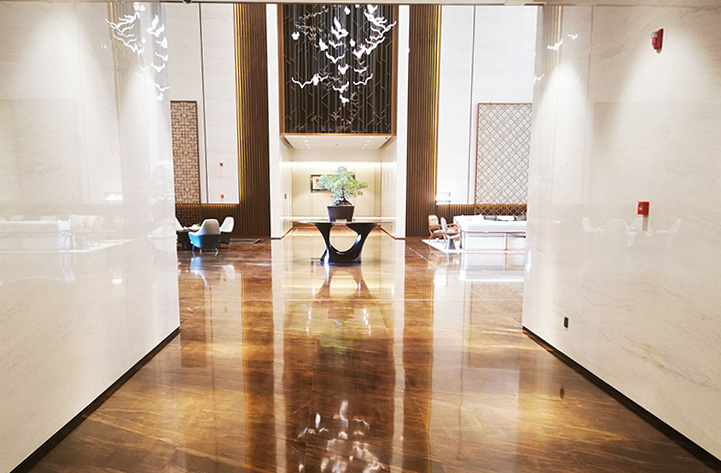
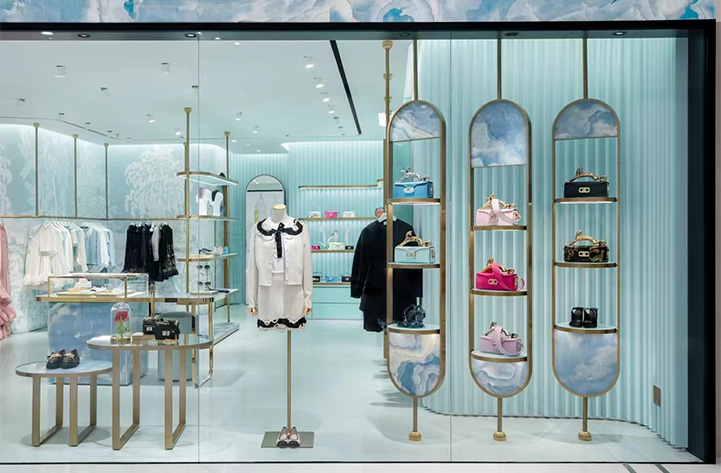
Decorative stone props are display and staging elements crafted from natural or engineered stone materials, used within retail environments to enhance product presentation and reinforce brand identity. In luxury store design, these props serve a purpose beyond simple decoration, since the tactile weight, natural texture, and visual richness of stone communicate a sense of permanence and quality that aligns with premium product positioning. Common examples include carved stone pedestals, marble display blocks, textured stone backdrops, and sculptural accent pieces placed near entryways or feature displays.
Unlike synthetic display materials such as acrylic or painted MDF, stone props carry inherent variation in color, veining, and surface texture, which gives each piece a unique character. This natural irregularity is often intentionally highlighted in luxury retail settings, where the goal is to create an environment that feels curated and distinctive rather than mass-produced.
Common Materials Used for Stone Display Props
The choice of stone material significantly affects both the visual impact and practical considerations of a display prop, including weight, cost, and maintenance requirements. Understanding the characteristics of each option helps store designers select materials appropriate to their specific display needs.
Marble
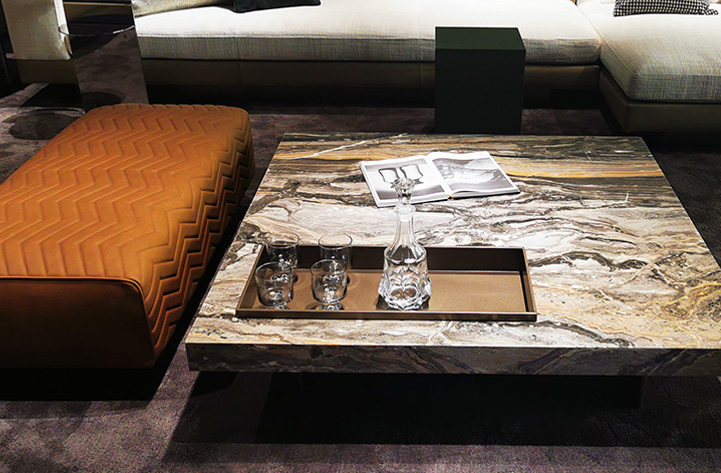
Marble remains one of the most popular choices for luxury retail props due to its distinctive veining patterns and polished finish, which convey elegance and sophistication. It is commonly used for product pedestals, countertop accents, and small sculptural display pieces where its reflective surface can enhance lighting effects around featured products.
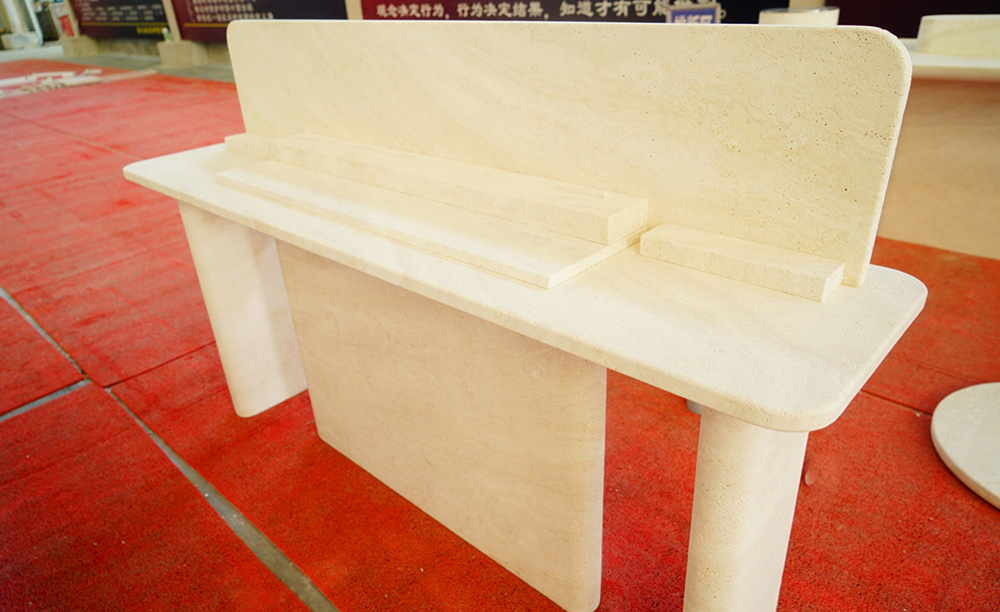
Travertine
Travertine offers a warmer, more textured appearance compared to marble, with a naturally porous surface that creates subtle shadow patterns under store lighting. This material is often chosen for larger display bases or backdrop panels where a softer, more organic aesthetic is desired.
Engineered and Composite Stone
For stores seeking the visual appeal of natural stone with reduced weight and cost, engineered stone composites provide a practical alternative. These materials combine crushed stone with resin binders, allowing for consistent coloring and easier fabrication into custom shapes while maintaining a convincing stone-like appearance.
Where Stone Props Are Typically Used in a Store
Strategic placement of decorative stone props plays a significant role in guiding customer attention and reinforcing the overall store atmosphere. The following areas are common placements for stone display elements:
- Window displays, where stone pedestals elevate featured seasonal products
- Entryway areas, using sculptural pieces to establish an immediate brand impression
- Checkout counters, incorporating stone accents to reinforce a premium purchasing experience
- Jewelry and accessory cases, where small stone risers highlight individual pieces
- Fragrance and cosmetics counters, using stone trays to organize product groupings
Design Considerations for Selecting Stone Props
Choosing the right decorative stone props requires balancing aesthetic goals with practical retail considerations. Store designers should evaluate several factors before finalizing prop selections for a given space.
| Factor |
Why It Matters |
| Weight and Portability |
Affects ease of repositioning for seasonal display changes |
| Color Consistency |
Ensures cohesive appearance across multiple display pieces |
| Surface Finish |
Polished, honed, or textured finishes create different lighting effects |
| Maintenance Needs |
Porous stones may require sealing to prevent staining |
Lighting compatibility is another important consideration, since certain stone finishes reflect light differently depending on their texture. Polished surfaces tend to create sharp highlights that draw attention to featured products, while honed or matte finishes produce a softer, more diffused effect that can help balance overly bright display lighting.
Maintaining Stone Props in a Retail Environment
Proper care extends the lifespan and visual appeal of decorative stone props, particularly in high-traffic retail settings. Following consistent maintenance practices helps preserve the polished, high-end appearance that luxury stores rely on.
- Clean surfaces regularly with pH-neutral cleaners to avoid etching polished finishes
- Reapply sealant periodically on porous stones like travertine to prevent staining
- Avoid placing acidic products, such as certain perfumes, directly on unsealed stone surfaces
- Use felt or protective pads under heavy display items to prevent surface scratching
Sourcing Considerations for Retail Buyers
When sourcing decorative stone props for a luxury retail environment, buyers should request material samples to evaluate color and texture consistency before committing to a full order, particularly for projects requiring multiple matching pieces across several store locations. It is also worth confirming whether custom sizing or shaping is available, since standard prop dimensions may not always align with specific display fixtures or window configurations.
For stores planning frequent seasonal display changes, working with suppliers who offer lightweight engineered stone alternatives can provide the desired aesthetic while reducing the labor and logistical challenges associated with moving heavier natural stone pieces on a regular basis.



 English
 Français
 عربى
عربى italiano