Why Marble Remains a Preferred Material for Wall and Interior Design
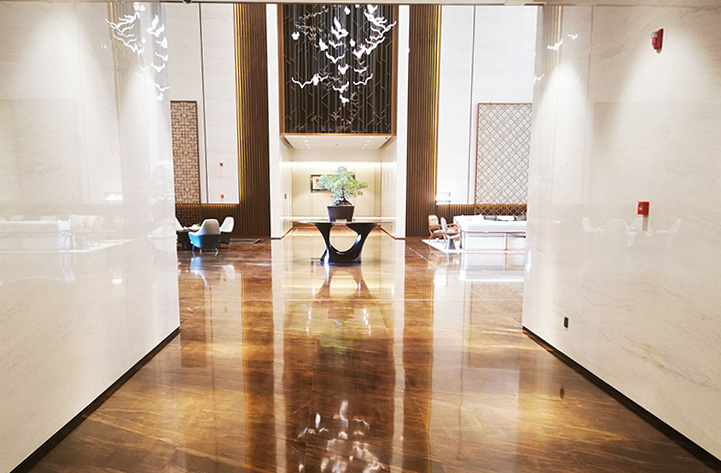
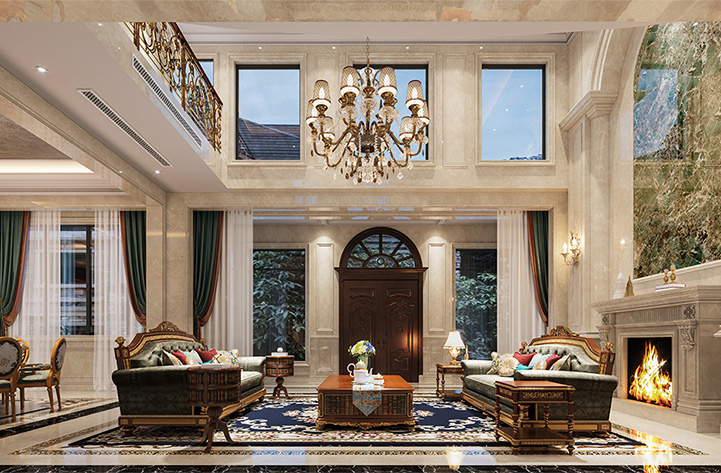
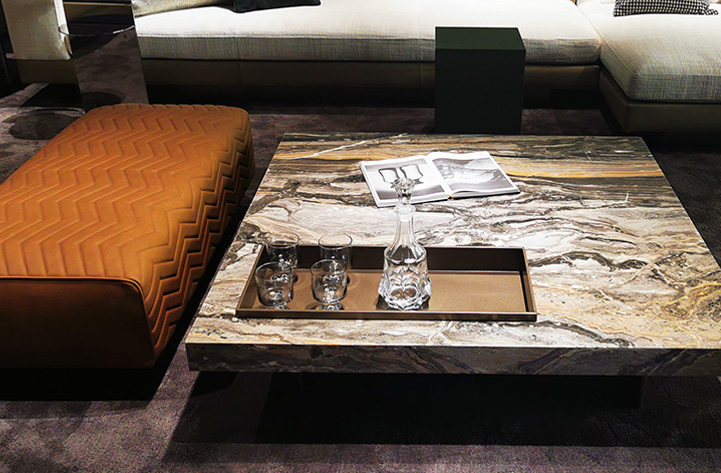
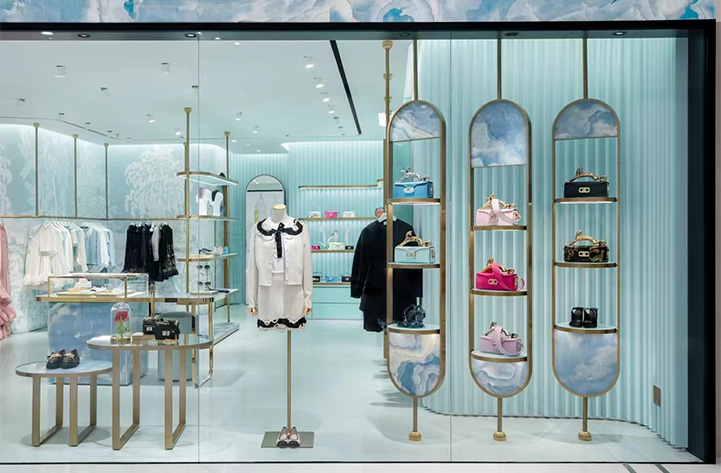
Marble has been used as an architectural and interior finishing material for centuries, prized for its natural veining, light-reflective surface, and sense of permanence. In modern interiors, marble wall applications extend across bathrooms, lobbies, feature walls, and cladding surfaces, where the material's unique combination of durability and visual richness elevates both residential and commercial spaces. Each slab of marble is naturally unique, formed through the metamorphic recrystallization of limestone over millions of years, which means no two installations are ever exactly alike, even when sourced from the same quarry block.
Beyond aesthetics, marble offers practical performance advantages for wall applications. It is highly durable when properly sealed and maintained, resists significant temperature fluctuations without cracking, and can be honed, polished, or textured to achieve different finishes depending on the design intent. These qualities make it suitable for both high-traffic commercial lobbies and moisture-prone environments like bathrooms, provided the correct marble type and finishing treatment are selected for each application.
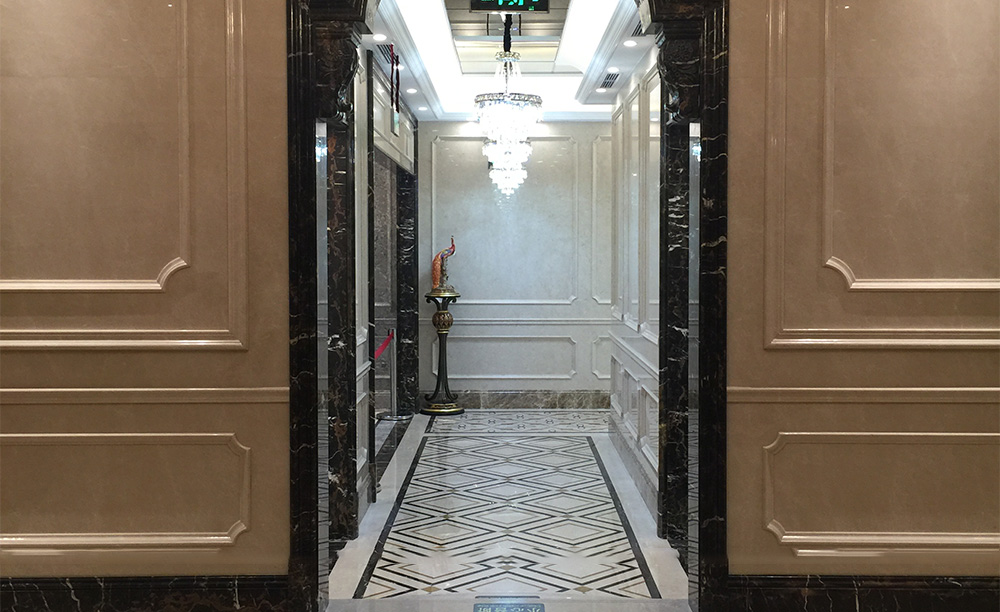
Selecting Marble Types for Different Wall Applications
Not all marble varieties perform equally well across different design settings. Understanding the characteristics of common marble types helps designers match the right stone to the right space.
Carrara and Calacatta Marble
Carrara marble, known for its soft grey background and fine veining, is a popular and relatively affordable choice for bathroom walls and vanity surrounds. Calacatta marble, with its whiter background and bolder, more dramatic veining, is often reserved for feature walls or lobby installations where a striking visual statement is desired.
Emperador Marble
Emperador marble, characterized by its rich brown tones and subtle veining, works well in warmer, more intimate interior settings such as powder rooms or accent walls, adding depth without overwhelming the space.
Statuario and Nero Marquina
Statuario marble offers a bright white background with bold grey veining, frequently used in high-end lobby designs for its luxurious appearance. Nero Marquina, a deep black marble with white veining, is often used as a contrasting accent in combination with lighter stones to create visual depth in reception areas and feature walls.
Comparing Marble Finishes for Wall Surfaces
The finish applied to a marble surface significantly affects both its appearance and its practical performance in specific environments. The table below outlines common finishes and their suitability for different wall applications.
| Finish |
Surface Appearance |
Best Suited For |
| Polished |
High gloss, reflective |
Lobby feature walls, dry bathroom areas |
| Honed |
Matte, smooth, low reflectivity |
Bathroom walls, shower surrounds |
| Brushed |
Textured, slightly worn look |
Rustic or transitional lobby designs |
| Fluted or Grooved |
Dimensional, ribbed pattern |
Accent walls, architectural feature panels |
Design Considerations for Bathroom Marble Walls
Bathrooms present unique design and performance challenges due to consistent moisture exposure and temperature variation. Careful planning ensures the marble installation remains both beautiful and functional over the long term.
- Apply a high-quality penetrating sealer to reduce water absorption and prevent staining from soap, shampoo, or mineral deposits.
- Choose honed rather than highly polished finishes in shower areas to reduce slipperiness when the surface is wet.
- Ensure proper ventilation to minimize prolonged moisture exposure, which can affect grout lines and underlying substrate over time.
- Use book-matched slabs for shower walls to create a seamless, mirrored veining effect that enhances the sense of luxury in smaller spaces.
Design Considerations for Lobby and Commercial Wall Installations
Lobbies and commercial reception areas experience higher foot traffic and different lighting conditions than residential bathrooms, requiring a different set of design priorities.
- Select larger slab sizes where possible to minimize visible seams and create a more expansive, high-end appearance.
- Coordinate marble veining direction with the building's lighting scheme to maximize the play of light across the surface throughout the day.
- Combine contrasting marble types, such as pairing a light background stone with a darker accent variety, to define distinct zones within an open lobby layout.
- Consider impact resistance in high-traffic corridors by specifying thicker slabs or reinforced backing for areas prone to contact from furniture or equipment.
Installation and Structural Considerations
Proper installation is critical to both the safety and longevity of marble wall applications, particularly for large-format slabs used in lobby settings. Wall substrates must be assessed for load-bearing capacity, since marble is significantly heavier than many alternative wall finishes and may require additional structural reinforcement or mechanical anchoring systems for large panels. Adhesive selection should account for slab size, weight, and the specific substrate material, with epoxy-based adhesives generally recommended for larger or heavier installations. Expansion joints should be incorporated at appropriate intervals to accommodate slight material movement due to temperature changes, preventing cracking or delamination over time.
Long-Term Maintenance for Marble Wall Surfaces
Maintaining the appearance and integrity of marble walls requires ongoing but manageable care. Regular dusting or dry wiping prevents abrasive particles from scratching the polished surface, while cleaning should always be performed with pH-neutral, stone-safe products rather than acidic or abrasive cleaners that can etch the surface. Resealing should be performed periodically, typically every one to two years depending on traffic and moisture exposure, to maintain the marble's resistance to staining. In bathroom applications specifically, promptly addressing any grout deterioration or sealant failure helps prevent moisture infiltration that could compromise the wall assembly behind the stone over time.



 English
 Français
 عربى
عربى italiano