Why Marble Remains a Popular Choice for Dining Tables
Marble dining tables have held a place in home design for centuries, valued for their unique veining, natural coolness to the touch, and the sense of permanence they bring to a dining room. Unlike wood or laminate surfaces, no two marble slabs look exactly alike, which means every table has a distinct visual character. This natural variation is part of the appeal, but it also means buyers need to understand what they are looking at before making a purchase, since marble varies significantly in hardness, porosity, and price depending on where it was quarried and how it was finished.
Beyond aesthetics, marble is prized for its durability when properly cared for. A well-maintained marble table can last for generations, often becoming a piece that gets passed down rather than replaced. However, marble is also a softer stone compared to granite or quartzite, which means it requires more thoughtful maintenance and realistic expectations about wear over time.
Understanding the Different Types of Marble
Not all marble is created equal, and the type of marble used in a dining table affects both its appearance and its long-term performance. Buyers often encounter a handful of popular varieties, each with distinct characteristics worth understanding before committing to a purchase.
| Marble Type |
Typical Appearance |
Notable Traits |
| Carrara |
White or blue-gray with soft, feathery veining |
Most widely available and generally the most affordable |
| Calacatta |
Bright white with bold, dramatic veining |
Rarer and typically priced higher than Carrara |
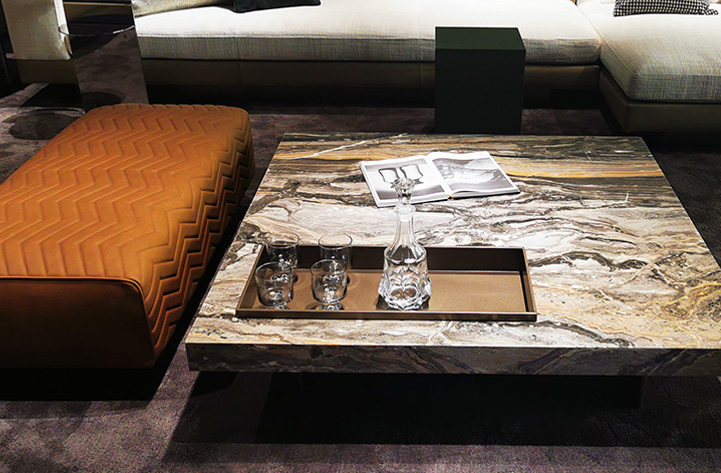
| Emperador |
Rich brown tones with lighter veining |
Works well in warmer, traditional interiors |
| Nero Marquina |
Deep black with white veining |
Bold statement piece, shows dust and fingerprints more visibly |
| Green Marble |
Deep green with white or gold veining |
Distinctive look, less common in mainstream retail |
Choosing a Tabletop Style and Edge Profile
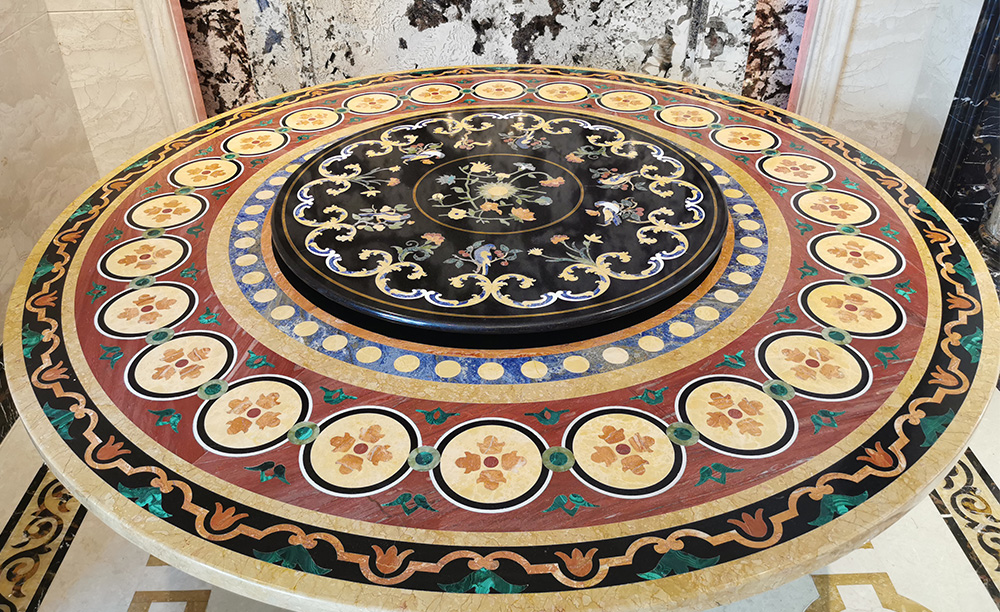
The shape and edge treatment of a marble dining table affect both function and visual weight in a room. Rectangular tables are the most common choice for families and larger households since they maximize seating along a wall or in a long dining space. Round and oval tables work well in smaller rooms or for households that prioritize conversation-friendly seating, since everyone is roughly equidistant from each other.
Edge Profiles Worth Considering
The edge of a marble tabletop is often finished in one of several standard profiles. A straight or square edge gives a clean, modern look and is generally the most budget-friendly to fabricate. A beveled edge angles slightly downward, softening the table's silhouette without adding much cost. A bullnose or rounded edge offers a fully curved profile that feels softer to the touch and is a common choice for households with young children, since it reduces sharp corners.
Base Materials and Their Impact on Style and Stability
While the marble top gets most of the attention, the base plays an equally important role in the table's overall stability, weight distribution, and design language. Marble is heavy, so the base needs to be engineered to support the slab without flexing or shifting over time.
- Metal bases, often in brass, iron, or steel, offer a slim profile and modern aesthetic while providing strong structural support
- Wood bases bring warmth and a more traditional feel, pairing well with lighter marble tones
- Pedestal bases eliminate the need for table legs, which can be practical for households that want more legroom for seating
- Trestle or sled bases provide a sturdy, substantial look that works well in larger dining rooms
Caring for a Marble Dining Table
Marble is porous, which means it can absorb liquids and stain if not properly sealed and maintained. Most marble dining tables benefit from a penetrating sealant applied during manufacturing or shortly after purchase, and this sealant typically needs to be reapplied every six to twelve months depending on usage and the specific marble variety.
Everyday spills, particularly acidic liquids like wine, citrus juice, or vinegar-based dressings, should be wiped up promptly since they can etch the surface and leave a dull mark that does not always buff out easily. Using coasters, placemats, and trivets for hot dishes helps prevent both staining and thermal shock, which can occasionally cause hairline cracks in thinner slabs. For daily cleaning, a soft cloth with warm water and a pH-neutral cleaner is generally recommended, since acidic or abrasive cleaning products can damage the polished finish over time.
Budgeting for a Marble Dining Table
Price varies significantly based on the marble type, table size, and whether the piece is mass-produced or custom-fabricated. Entry-level tables using common Carrara marble with a standard metal or wood base tend to fall on the lower end of the price range, while tables featuring rarer stones like Calacatta or custom edge profiles can cost significantly more. It is worth asking suppliers whether the tabletop is a solid slab or a marble veneer over a composite core, since veneer construction is generally less expensive but may not offer the same longevity or resale value as solid stone.
Buyers should also factor in the cost of delivery and setup, since marble tables are heavy and often require professional installation to avoid damage during transport. Taking time to compare marble type, base construction, and maintenance requirements against household needs and budget will help ensure the table purchased is both a functional centerpiece and a long-term investment for the home.



 English
 Français
 عربى
عربى italiano