What Are Marble Wall Tiles?
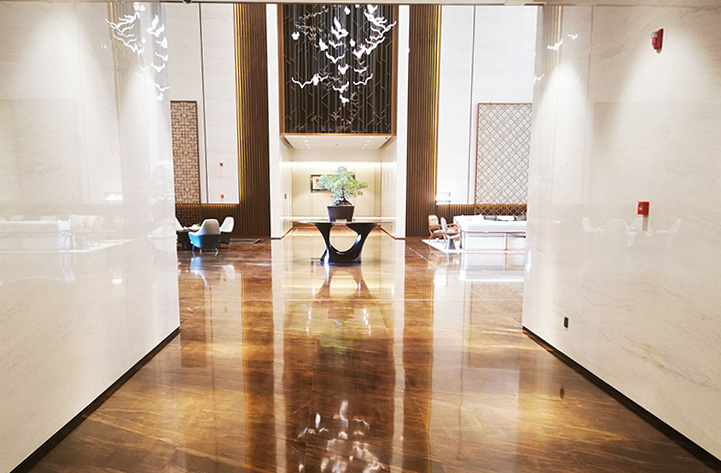
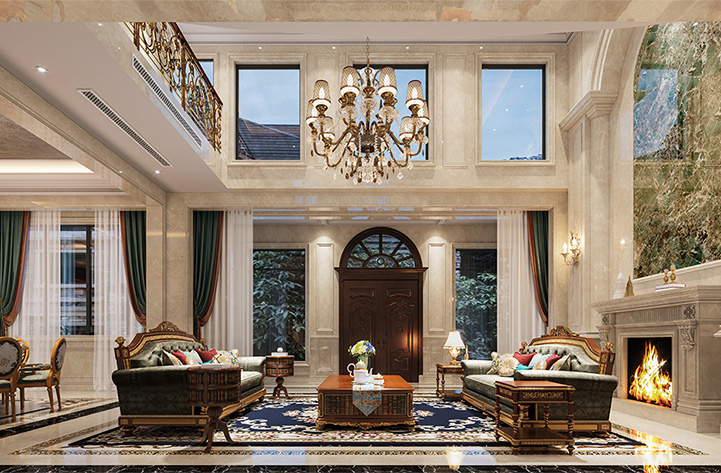
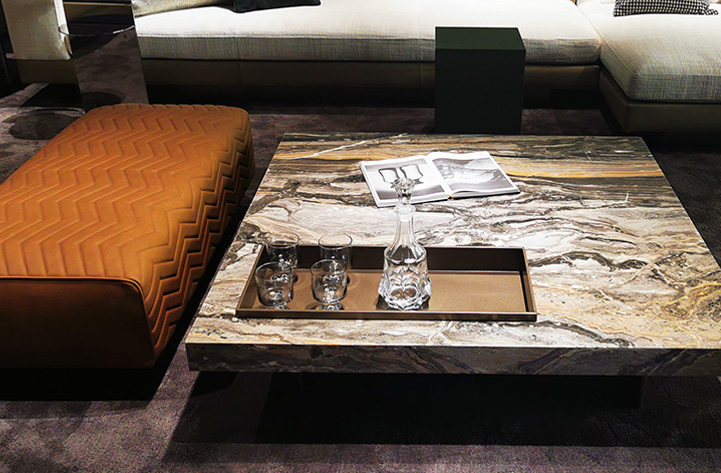
Marble wall tiles are natural stone tiles cut from quarried marble blocks and finished into standardized sizes for wall cladding applications. Marble itself is a metamorphic rock formed from limestone that has been transformed under heat and pressure, producing the distinctive veining and crystalline structure that gives each slab its unique appearance. When used on walls rather than floors, marble tiles bring texture, natural light reflection, and a sense of permanence to interior spaces such as bathrooms, kitchen backsplashes, feature walls, and commercial lobbies.
Unlike floor applications, wall tiles do not need to withstand the same level of foot traffic or abrasive wear, which opens up a wider range of finish options, including softer, more delicate surface treatments that might be too fragile for flooring but work well vertically. This distinction matters when selecting marble specifically for walls, since some finishes prioritize visual effect over durability in ways that would be impractical underfoot.
Common Marble Types Used for Wall Applications
Marble varies significantly in color, veining pattern, and origin, and certain varieties have become particularly popular for wall tile applications due to their aesthetic qualities and availability.
| Marble Type |
Color Profile |
Common Use |
| Carrara |
White with soft gray veining |
Bathrooms, backsplashes |
| Calacatta |
White with bold, dramatic veining |
Feature walls, luxury interiors |
| Emperador |
Brown with fine veining |
Warm-toned interiors, accent walls |
| Nero Marquina |
Black with white veining |
Bold contrast walls, commercial spaces |
| Crema Marfil |
Cream/beige with subtle veining |
Neutral, versatile wall applications |
Finish Options and How They Affect Appearance
The surface finish applied to a marble tile changes both its visual character and its practical performance on a wall. Choosing the right finish is one of the more important decisions in a marble tile project, since it affects light reflection, texture, and how veining patterns are perceived.
Polished Finish
A polished finish produces a glossy, reflective surface that intensifies color depth and veining contrast. This finish is popular for feature walls and bathrooms where maximizing light reflection helps a space feel brighter and larger.
Honed Finish
A honed finish has a matte, smooth surface without the reflective shine of polished marble. This finish tends to show fewer surface scratches over time and offers a softer, more understated aesthetic that works well in contemporary or minimalist interiors.
Tumbled and Textured Finishes
Tumbled marble has a slightly irregular, weathered surface texture, often used to create a rustic or old-world aesthetic. Textured or fluted finishes, which add dimensional grooves or ridges to the tile surface, have also become popular for accent walls seeking a more sculptural, three-dimensional effect.
Where Marble Wall Tiles Work Best
Marble wall tiles suit a range of interior applications, though certain spaces benefit more directly from their visual and practical properties than others.
- Bathroom shower surrounds and accent walls, where a honed or polished finish complements a spa-like atmosphere
- Kitchen backsplashes, particularly behind cooking areas with proper sealing to resist moisture and staining
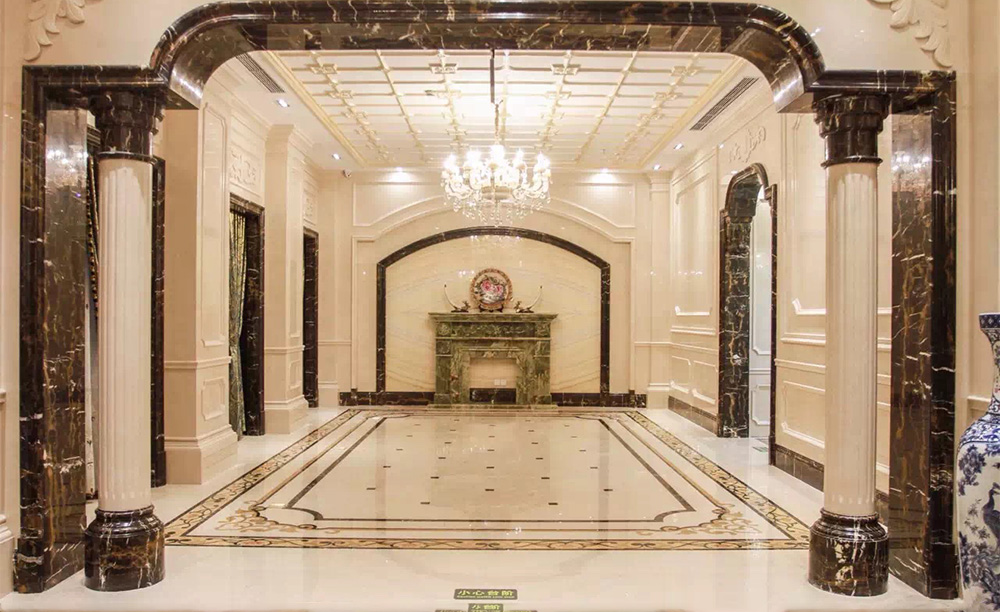
- Fireplace surrounds, where marble's natural heat resistance and visual weight suit a focal point
- Commercial lobbies and reception areas seeking a polished, upscale first impression
- Feature or accent walls in living rooms and bedrooms as a design centerpiece
Installation Considerations
Installing marble wall tiles requires more precision than standard ceramic tile due to the material's weight, porosity, and tendency to show inconsistencies in adhesive coverage through its surface. A few key considerations affect installation quality.
Substrate Preparation
The wall substrate must be flat, structurally sound, and moisture-resistant, particularly in wet areas like showers where cement backer board is typically required rather than standard drywall.
Adhesive Selection
White thin-set mortar is generally recommended over gray mortar for lighter-colored marble tiles, since gray adhesive can show through translucent stone and affect the tile's final color appearance.
Grout Line Width and Color
Narrow grout lines are often preferred for marble installations to maintain a seamless, continuous stone appearance, and grout color should be selected carefully since marble's porosity can make it susceptible to staining from darker grout during installation if not properly sealed beforehand.
Sealing and Long-Term Maintenance
Marble is a porous, calcium-based stone, which means it is vulnerable to staining and etching from acidic substances such as vinegar, citrus juice, and certain cleaning products. Sealing the tile surface with a penetrating stone sealer creates a protective barrier that reduces moisture and stain absorption without altering the tile's natural appearance.
Resealing should be performed periodically, typically every one to two years depending on the specific sealer product and the amount of moisture exposure the wall experiences. Day-to-day cleaning should rely on pH-neutral stone cleaners rather than standard household cleaning products, since acidic or abrasive cleaners can etch the marble surface and dull its finish over time. In high-moisture areas like showers, ensuring adequate ventilation also helps reduce the risk of mineral buildup and staining on the tile surface.
Making the Right Choice for Your Project
Selecting marble wall tiles involves balancing aesthetic preferences with practical factors like moisture exposure, maintenance commitment, and budget. Lighter marbles such as Carrara or Crema Marfil offer versatile, neutral backdrops suited to a wide range of design styles, while bolder options like Calacatta or Nero Marquina work well as dramatic focal points in smaller doses. Regardless of the variety chosen, proper sealing and installation practices remain essential to preserving both the beauty and longevity of natural marble on interior walls.



 English
 Français
 عربى
عربى italiano