Why Marble Wall Tiles Remain a Top Choice in Interior Design
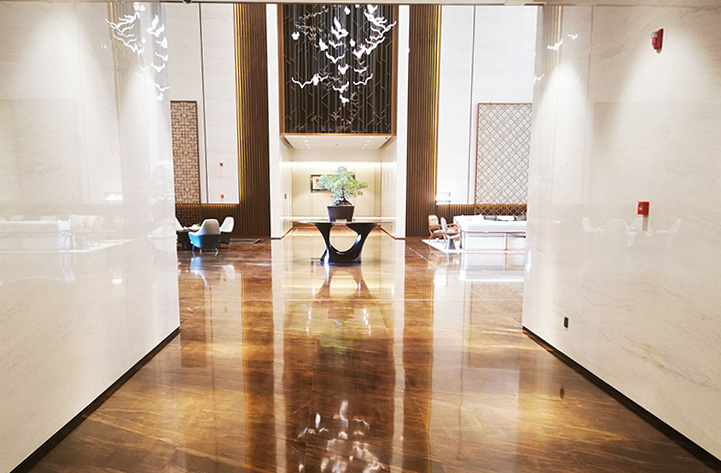
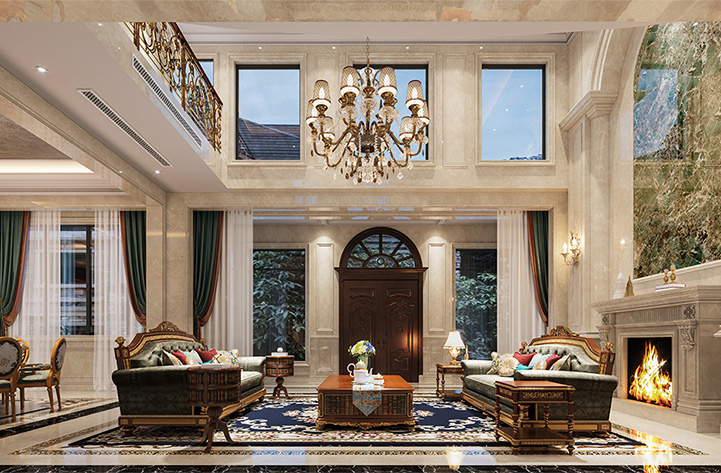
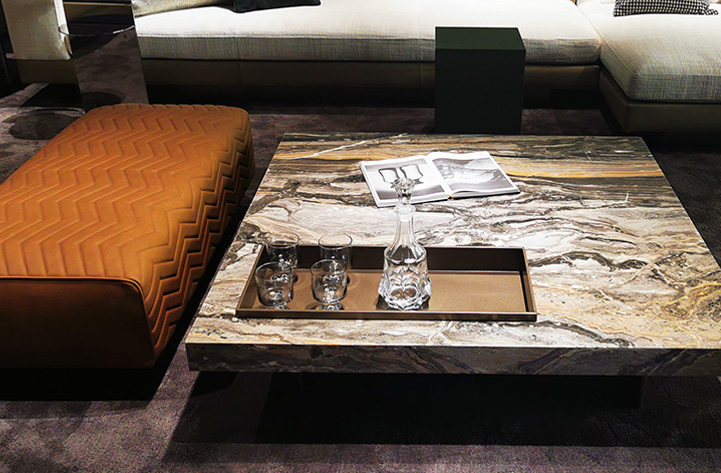
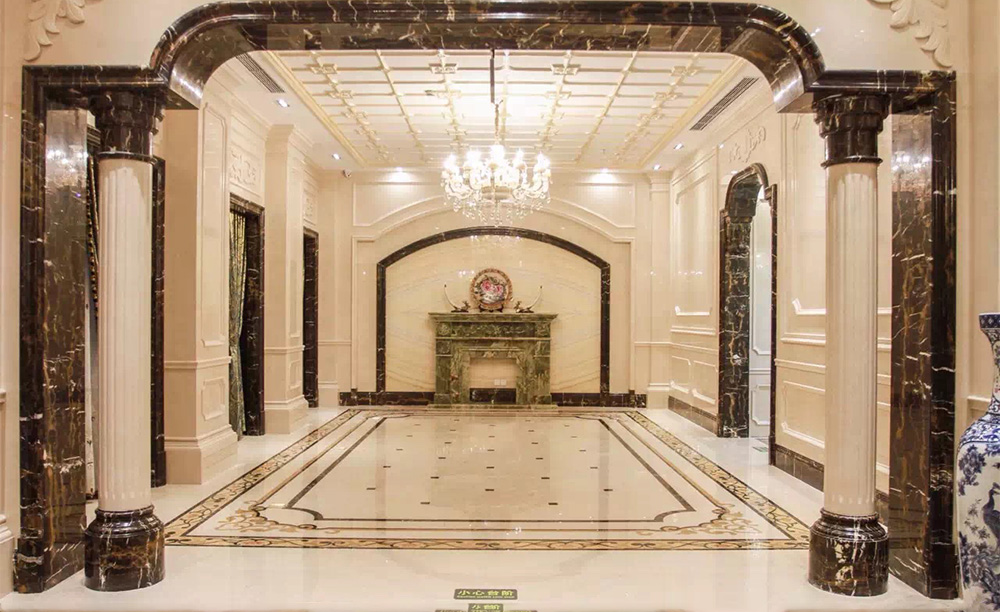
Marble wall tiles have been used in architecture and interior design for thousands of years, and their appeal has never diminished. What sets marble apart from virtually every other wall covering material is the combination of natural veining, depth of color, and the way it interacts with light — properties that no manufactured material has fully replicated. Each slab of marble is geologically unique, formed over millions of years under heat and pressure, which means that every tile installation is genuinely one of a kind. This inherent exclusivity, combined with a cool, smooth surface and an association with luxury, continues to make marble wall tiles the preferred choice for high-end residential bathrooms, hotel lobbies, commercial reception areas, kitchen feature walls, and fireplace surrounds around the world.
Beyond aesthetics, marble is a remarkably practical wall material when correctly installed and maintained. Its dense, non-combustible composition makes it suitable for walls adjacent to heat sources. Its thermal mass helps regulate temperature in interior spaces. And when properly sealed, its surface resists staining and moisture penetration, performing reliably in wet environments such as shower enclosures and spa walls. Understanding the full range of marble's properties — both its strengths and its requirements — allows designers, builders, and homeowners to use it intelligently rather than avoiding it out of unfounded concern about maintenance.
Popular Types of Marble Used for Wall Tiles
Marble is quarried on every inhabited continent, and the variety of types available for wall tile applications is enormous. Each variety has a distinct color palette, veining pattern, background tone, and hardness that makes it more or less suitable for specific design goals and installation environments.
| Marble Type |
Origin |
Appearance |
Best Application |
| Carrara |
Italy |
White/grey, soft grey veining |
Bathrooms, kitchens, classic interiors |
| Calacatta |
Italy |
Bright white, bold gold/grey veins |
Feature walls, luxury bathrooms |
| Emperador |
Spain |
Dark brown, white/gold veining |
Accent walls, fireplace surrounds |
| Nero Marquina |
Spain |
Deep black, bright white veins |
Contemporary interiors, powder rooms |
| Crema Marfil |
Spain |
Warm beige, subtle veining |
Living areas, warm-toned schemes |
| Green Guatemala |
Guatemala |
Deep green, complex patterning |
Statement walls, hospitality spaces |
Understanding Marble Tile Finishes and Their Practical Implications
The surface finish of a marble wall tile affects its visual appearance, texture, light reflectivity, slip resistance, and maintenance requirements. Selecting the wrong finish for a specific application is a frequent mistake that affects both aesthetics and long-term practicality.
Polished Finish
Polished marble tiles have a highly reflective, mirror-like surface achieved through progressive grinding with finer and finer abrasives, followed by buffing with oxalic acid or crystallization compounds. This finish amplifies the depth and richness of the stone's color and veining, making it the most visually dramatic option. Polished marble is the standard choice for bathroom walls, shower enclosures, and feature walls where maximum visual impact is the priority. The smooth, dense surface is also relatively easy to wipe clean. However, polished marble shows water spots, fingerprints, and etching from acidic substances more readily than matte finishes, requiring more frequent attention to maintain its appearance.
Honed Finish
A honed finish is achieved by stopping the grinding process before the buffing stage, resulting in a smooth but matte or satin surface with no reflective sheen. Honed marble has a softer, more understated appearance that suits contemporary and Scandinavian-influenced interiors particularly well. The matte surface hides etching and scratches more effectively than polished marble, making honed tiles a more forgiving choice for kitchen backsplashes and high-traffic wall areas. The trade-off is that honed surfaces are slightly more porous than polished ones and require more diligent sealing to prevent staining.
Brushed and Leathered Finishes
Brushed or leathered finishes involve running wire or diamond brushes across the surface to create a textured, slightly rustic appearance that retains the stone's natural character while adding tactile interest. These finishes are increasingly popular in contemporary residential projects, particularly for bathroom feature walls and niche surrounds. The texture conceals fingerprints and minor surface imperfections effectively, and the uneven surface adds a handcrafted quality that appeals to designers seeking warmth and authenticity rather than a purely formal aesthetic.
Tile Formats and Layout Patterns That Maximize Visual Impact
The format — meaning the size and shape — of marble wall tiles, combined with the chosen laying pattern, has as much influence on the final look as the stone variety itself. Selecting the right combination requires thinking about the proportions of the space, the scale of the veining in the selected marble, and the desired visual effect.
- Large-format slabs (600×1200mm or larger): Minimize grout lines, allowing the marble's veining to flow uninterrupted across the wall. Ideal for achieving a seamless, high-end look in contemporary bathrooms and feature walls. Require precise substrate preparation and skilled installation.
- Standard square tiles (300×300mm or 600×600mm): Versatile and easier to handle during installation. Work well with book-matched layouts where alternating tiles are mirrored to create symmetrical veining patterns.
- Brick or subway format (75×150mm or 100×200mm): A classic choice for kitchen backsplashes and bathroom niches. The elongated format suits horizontal stacking patterns that visually widen a space, or herringbone arrangements that add dynamic movement.
- Mosaic sheets (25×25mm or 48×48mm chips): Used for decorative borders, shower niches, and curved surfaces that larger tiles cannot accommodate. Marble mosaics add fine detail and texture, and can be combined with glass or metal tesserae for mixed-material effects.
- Chevron and herringbone cuts: Precision-cut angled tiles arranged in V-shaped or zigzag patterns. These formats add architectural energy to otherwise simple wall surfaces and are particularly effective in narrow spaces like hallways and shower stalls.
Preparing Walls Correctly Before Marble Tile Installation
Marble is an unforgiving material that reveals substrate imperfections more readily than ceramic or porcelain tiles. Inadequate wall preparation is the single most common cause of cracked tiles, lippage between tile edges, hollow spots, and adhesive failures. Investing time and resources in proper substrate preparation is not optional — it is the foundation on which the entire installation depends.
Walls must be plumb, flat, and structurally sound before tiling begins. Any deviation greater than 3mm over a 2-meter straightedge must be corrected with a leveling compound or skim coat. In wet areas such as shower enclosures, a waterproof membrane must be applied over the entire substrate before adhesive is spread. Cement board or moisture-resistant gypsum board is strongly preferred over standard drywall in wet zones, as moisture penetration behind marble tiles will cause the substrate to deteriorate and the tiles to delaminate regardless of how good the surface sealing is.
Use a white polymer-modified adhesive mortar rather than standard grey tile adhesive when setting marble. Grey adhesive can bleed through lighter marble varieties — particularly white Carrara and Calacatta — creating permanent grey discoloration visible through the stone. The adhesive must be applied with full back-buttering on each tile to achieve 95–100% coverage, eliminating hollow spots that concentrate stress and lead to cracking under thermal movement or impact.
Grouting and Sealing Marble Wall Tiles Properly
Grout selection and sealing are two aspects of marble tile installation that are frequently handled carelessly, with consequences that are difficult and expensive to correct. The right approach protects both the grout joints and the marble surface itself over the long term.
- Choose unsanded grout for joints under 3mm: Sanded grout contains coarse particles that scratch polished marble surfaces during application and cleanup. For tight joints typical of large-format marble tiles, use unsanded or fine-grain grout to protect the finish.
- Match grout color to the marble background: A grout color that closely matches the marble's background tone minimizes the visual interruption of grout lines, allowing the stone's pattern to read more continuously across the wall.
- Seal before grouting in porous varieties: Some marble types — especially honed Carrara — will absorb grout pigment into the stone surface if not pre-sealed. Apply a penetrating impregnator sealer 24 hours before grouting and allow it to cure fully.
- Apply a penetrating sealer after installation: Once grouting is complete and fully cured, apply a high-quality impregnating stone sealer to both the tile surface and grout lines. This sealer penetrates the stone's pores and repels water and oil-based stains without altering the surface appearance.
- Reapply sealer annually in wet areas: In shower enclosures and areas subject to regular wetting and drying, sealer effectiveness diminishes over time. Annual reapplication maintains the protective barrier and significantly extends the pristine appearance of the installation.
Long-Term Maintenance to Keep Marble Walls Looking Pristine
Marble requires more attentive maintenance than ceramic or porcelain tiles, but the effort involved is modest when the right habits are established from the beginning. The most important principle is avoiding acidic substances, which chemically etch the calcium carbonate in marble, leaving dull, rough patches that cannot be removed by cleaning — only by re-polishing or re-honing the affected area.
For daily cleaning, use only pH-neutral stone cleaners or plain warm water with a soft microfiber cloth. Never use vinegar, lemon juice, bleach, or standard bathroom spray cleaners on marble, as all of these are acidic or alkaline enough to cause etching or discoloration. In shower enclosures, squeegee the walls after each use to prevent mineral scale buildup from hard water, which is difficult to remove without resorting to acidic descalers that damage the surface.
Address stains immediately by blotting — never rubbing — with a clean cloth. For stubborn stains, a poultice made from baking soda and water, applied to the affected area and covered with plastic wrap for 24–48 hours, can draw the stain out of the stone without chemical damage. With consistent care and timely resealing, marble wall tiles installed today can maintain their beauty and structural integrity for decades, making them one of the most enduring investments available in interior design.



 English
 Français
 عربى
عربى italiano