Round marble dining tables represent a timeless investment in both functionality and aesthetic appeal, transforming ordinary dining spaces into sophisticated gathering areas that blend classical elegance with contemporary living. The unique combination of circular geometry and natural stone creates a focal point that facilitates conversation, maximizes seating efficiency, and showcases the inherent beauty of marble's distinctive veining patterns. However, selecting the ideal round marble dining table requires careful consideration of multiple factors including size proportions, marble quality and type, base construction, maintenance requirements, and how the piece integrates with your existing décor. This comprehensive guide walks you through every critical decision point, providing practical insights and expert recommendations to ensure your round marble dining table becomes a cherished centerpiece that serves your household beautifully for decades to come.
Determining the Right Size for Your Dining Space
The single most important factor when selecting a round marble dining table involves choosing the appropriate diameter that balances seating capacity with spatial comfort. Unlike rectangular tables where length can be adjusted more flexibly, round tables require precise sizing to function properly within a given room. As a fundamental rule, allow at least 36 to 48 inches of clearance around the entire perimeter of the table, creating sufficient space for chairs to pull out comfortably and for people to move around the dining area without awkward maneuvering or bumping into walls and furniture.
For intimate dining spaces or breakfast nooks, round marble tables ranging from 36 to 44 inches in diameter accommodate two to four people comfortably while maintaining an appropriate scale for smaller rooms. These compact sizes work particularly well in apartments, studio kitchens, or cozy breakfast areas where a larger table would overwhelm the space. Mid-sized tables measuring 48 to 54 inches in diameter represent the most versatile option, seating four to six people with ease while fitting comfortably in standard dining rooms measuring approximately 10 by 12 feet or larger. This size range offers excellent proportions for both daily family meals and occasional entertaining.
Larger round marble dining tables spanning 60 to 72 inches in diameter provide seating for six to eight guests, creating an impressive statement piece suitable for spacious dining rooms or open-concept living areas. These substantial tables require rooms measuring at least 12 by 14 feet to maintain proper circulation space, and their significant presence demands careful consideration of ceiling height and overall room proportions to avoid visual imbalance. Before committing to any size, physically map out the table footprint on your floor using painter's tape, then practice pulling chairs in and out and walking around the marked perimeter to verify adequate clearance and comfortable movement patterns.
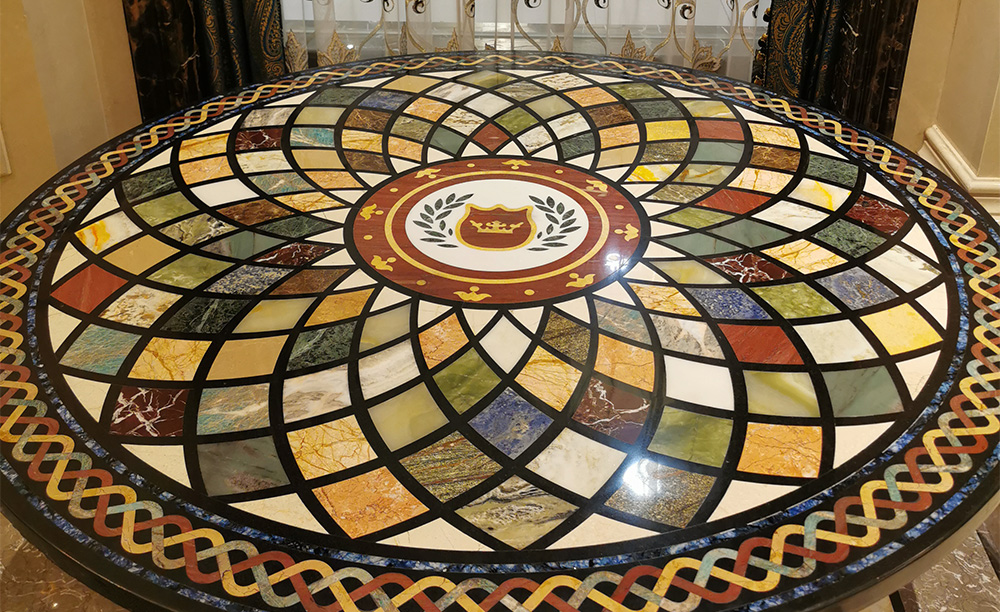
Consider the table height in conjunction with diameter, as standard dining tables measure 28 to 30 inches tall, requiring chairs with seat heights of 17 to 19 inches for proper ergonomics. Counter-height tables at 34 to 36 inches pair with 24 to 26 inch bar stools, creating a more casual dining atmosphere that works well in contemporary kitchens or multipurpose spaces. The substantial weight of marble tops necessitates robust base construction, so factor in the visual mass of both the tabletop and base when evaluating how the complete piece will fit within your room's proportions and aesthetic context.
| Table Diameter |
Seating Capacity |
Minimum Room Size |
Best Use |
| 36-44 inches |
2-4 people |
8' x 8' |
Small apartments, breakfast nooks |
| 48-54 inches |
4-6 people |
10' x 12' |
Standard dining rooms |
| 60-72 inches |
6-8 people |
12' x 14' |
Large dining rooms, entertaining |
| 72+ inches |
8-10 people |
14' x 16' |
Formal dining, large gatherings |
Understanding Marble Types and Quality Indicators
Not all marble possesses equal quality or suitability for dining table applications, making it essential to understand the characteristics that distinguish premium marble from inferior alternatives. Genuine marble forms through metamorphic processes that transform limestone under intense heat and pressure, creating the distinctive crystalline structure and veining patterns that define this natural stone. The specific mineral composition, geological conditions, and quarry location determine each marble variety's unique coloration, veining patterns, density, and practical performance characteristics.
Carrara marble from Italy represents one of the most recognized and widely used varieties, featuring a white to blue-gray background with soft, feathery gray veining that creates a subtle, elegant appearance. Carrara's relatively consistent availability and moderate pricing make it a popular choice for dining tables, though its softer composition (compared to granite) requires appropriate sealing and careful maintenance. Calacatta marble, also sourced from Italian quarries, exhibits a brighter white background with bolder, more dramatic gold or gray veining, commanding premium prices due to its rarity and striking visual impact. Calacatta's luxurious appearance makes it a favorite for statement pieces, though its value necessitates careful consideration of budget and maintenance commitment.
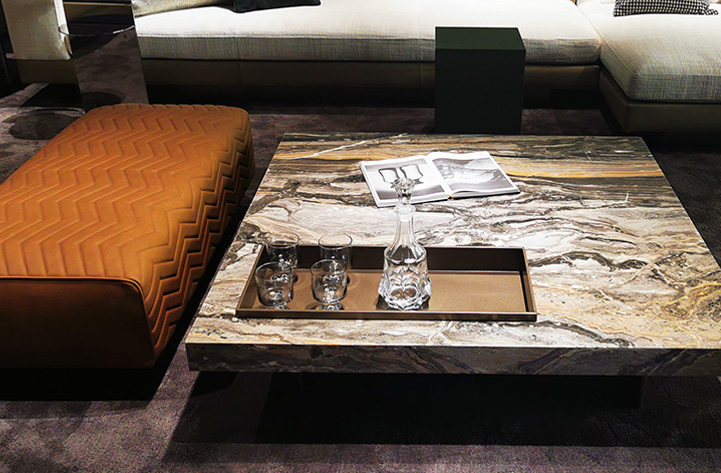
Statuary marble delivers exceptional purity with brilliant white backgrounds and distinctive gray veining, historically prized for sculpture and now sought after for high-end furniture applications. Emperador marble from Spain offers rich brown tones with lighter veining, providing warmth and depth that complements traditional and transitional interiors. Black marble varieties including Nero Marquina create bold, contemporary statements with deep black backgrounds accented by white veining, though these dramatic options require careful integration to avoid overwhelming spaces or creating excessive visual weight.
Quality indicators include consistent thickness throughout the slab (typically 3/4 to 1 inch for dining tables), absence of visible cracks or fissures beyond natural veining, uniform polish without dull spots or uneven areas, and appropriate sealing to resist staining. Request documentation of the marble's origin, grade classification, and any treatments applied during fabrication. Higher grades feature minimal imperfections, consistent coloring, and superior structural integrity. Inspect the underside and edges for mesh backing or excessive epoxy fill, which may indicate lower-grade material requiring reinforcement to achieve necessary strength. Premium marble tables showcase the stone's natural beauty through book-matched or quarter-matched slabs that create symmetrical patterns, demonstrating both quality material and skilled fabrication.
Base Styles and Structural Considerations
The base supporting your round marble dining table must provide both structural integrity to safely bear the substantial weight of natural stone and aesthetic harmony that complements the table's overall design. Round marble tops typically weigh between 200 and 600 pounds depending on diameter and thickness, demanding robust base construction that distributes this weight properly while maintaining stability during use. The base style you select significantly influences the table's visual character, spatial footprint, and practical functionality for your specific needs.
Pedestal bases featuring a single central support offer maximum legroom and seating flexibility, allowing chairs to be positioned anywhere around the table's circumference without interference from table legs. Traditional turned wood pedestals create classic elegance suitable for formal settings, while contemporary metal pedestals in brushed brass, polished chrome, or matte black finishes deliver modern sophistication. The pedestal must feature a sufficiently wide base (typically at least half the table diameter) to prevent tipping, with additional weight in the base platform to counterbalance the marble top's mass. Some designs incorporate adjustable leveling feet to accommodate uneven floors while maintaining stability.
Four-leg bases provide traditional stability and visual balance, distributing the marble's weight across multiple support points while creating a more conventional appearance that suits transitional and traditional interiors. Leg placement becomes critical, as legs positioned too close to the table's center interfere with seating, while those placed too far outward may create tripping hazards or appear visually disconnected from the top. Optimal leg placement typically positions supports approximately 8 to 12 inches inward from the table's edge, balancing structural requirements with practical considerations.
Cross-base or trestle-style supports offer contemporary alternatives that provide excellent stability while creating distinctive visual interest through geometric forms or architectural detailing. These bases may incorporate metal, wood, or mixed materials, with industrial-style designs featuring exposed steel beams or minimalist constructions using solid wood timbers. Regardless of base style, verify that the connection between base and top employs appropriate methods for marble's weight and properties, typically using metal plates, threaded inserts, or specialized adhesives designed for natural stone rather than simple wood screws that could crack the marble or fail under stress.
Base Material Options and Their Characteristics
- Solid wood bases offer warmth and traditional appeal but require proper treatment to handle marble's weight
- Metal bases provide exceptional strength and modern aesthetics with various finish options
- Cast iron bases deliver maximum stability and can support very large marble tops
- Mixed material bases combine wood and metal for transitional styling
- Stone bases create monolithic appearances but significantly increase overall weight
Maintenance Requirements and Protective Measures
Understanding marble's maintenance requirements before purchase prevents disappointment and ensures your round dining table maintains its beauty through years of regular use. Marble is a porous, relatively soft natural stone that can absorb liquids, stain from acidic substances, and scratch more easily than harder materials like granite or quartz. These characteristics demand protective measures and careful maintenance protocols, though proper care becomes routine with consistent practice and appropriate products.
Sealing represents the first line of defense against staining and etching, creating a protective barrier that gives you time to wipe up spills before they penetrate the stone. Quality penetrating sealers soak into the marble's porous structure, filling microscopic spaces without altering the surface appearance or texture. New marble dining tables should be sealed before first use, with reapplication every 6 to 12 months depending on usage intensity and the specific sealer product. Test whether resealing is needed by placing a few drops of water on the surface—if the water beads up, the seal remains effective; if it absorbs within a few minutes, resealing is recommended.
Daily cleaning requires only a soft cloth dampened with warm water, avoiding harsh chemicals, acidic cleaners, or abrasive scrubbers that damage marble's surface. For routine maintenance, pH-neutral stone cleaners specifically formulated for marble remove dirt and oils without harming the stone or its protective seal. Address spills immediately, blotting rather than wiping to prevent spreading, and use coasters under all beverages, particularly acidic drinks like wine, citrus juices, or coffee that can etch marble's surface even when sealed. Placemats or a table runner protect high-use areas during meals, reducing direct contact between plates, utensils, and the marble surface.
For stubborn stains, create a poultice using baking soda mixed with water to form a thick paste, spread it over the stain, cover with plastic wrap, and allow it to sit for 24 to 48 hours before rinsing. This drawing action pulls stains from within the stone's porous structure. Etching from acidic exposure appears as dull spots where the marble's polish has been chemically damaged, requiring professional polishing to restore the surface finish. While these maintenance requirements may seem demanding, they become second nature with regular practice, and the natural beauty of marble justifies the modest care investment for most homeowners who value its aesthetic qualities.
Styling and Integration with Existing Décor
Successfully integrating a round marble dining table into your existing interior design requires thoughtful consideration of color palettes, material relationships, and stylistic coherence that creates a harmonious rather than disjointed aesthetic. The marble's natural coloring and veining patterns should complement your room's overall color scheme, with white and gray marbles offering versatility that works across most design styles, while colored marbles like Emperador or green varieties make stronger statements requiring more deliberate coordination.
In contemporary and modern interiors, pair marble's organic veining with clean-lined furniture, geometric lighting fixtures, and minimalist décor that allows the table to serve as a focal point without visual competition. Choose chairs with sleek profiles in leather, molded plastic, or upholstered seats in solid colors that don't clash with the marble's natural patterns. Metal chair frames in brass, chrome, or black powder-coat finishes create sophisticated contrasts with marble's natural warmth while maintaining contemporary sensibilities.
Traditional and transitional spaces accommodate round marble dining tables through classic chair styles including upholstered parsons chairs, Windsor backs, or turned wood designs that echo historical precedents. Layer textures through area rugs, draperies, and table linens that soften marble's hard surface while adding warmth and acoustic absorption. A substantial chandelier or pendant light fixture centered above the round table creates vertical interest and practical task lighting, with the fixture's diameter typically measuring one-half to two-thirds of the table diameter for proper visual proportion.
Consider the interplay between the dining table and adjacent spaces, particularly in open-concept layouts where the dining area connects visually with living rooms or kitchens. Repeating marble or similar natural stone in other applications—such as kitchen countertops, console tables, or fireplace surrounds—creates cohesive material flow that ties spaces together. Alternatively, introduce contrasting materials like warm wood tones, textured fabrics, or metal accents that complement rather than compete with the marble's distinctive character. The round shape inherently softens a room's geometry, providing curved counterpoints to rectangular furniture and architectural elements that create more dynamic, interesting spatial compositions.
Budget Considerations and Value Assessment
Round marble dining tables span an enormous price range from under $500 for small, entry-level pieces to $10,000 or more for large, premium examples featuring rare marble varieties and custom fabrication. Understanding what drives these cost differences enables informed value assessments that balance budget constraints against quality expectations and long-term satisfaction. The marble type and grade represent the single largest cost variable, with common varieties like standard Carrara priced affordably while rare marbles like certain Calacatta selections command significant premiums.
Table size directly impacts cost through both increased material quantities and the fabrication challenges of working with larger stone slabs. Custom sizing, edge profiles, and finishes add costs compared to standard options, as does the complexity and quality of the base construction. Domestic manufacturing typically costs more than imported pieces, though quality control, customer service, and shipping logistics may justify the price difference. When comparing options, calculate the cost per square foot of surface area to normalize pricing across different sizes, then evaluate the quality indicators, base construction, and included features to determine true value.
Consider the total cost of ownership including delivery, installation, and ongoing maintenance expenses. Professional delivery and setup for heavy marble tables may add $200 to $500 to the purchase price but ensures safe handling and proper installation that DIY attempts might compromise. Budget for quality sealers, pH-neutral cleaners, and potentially professional polishing services if etching occurs, adding $50 to $150 annually to maintenance costs. Despite these expenses, a quality round marble dining table represents a long-term investment that can last decades with proper care, potentially justifying higher upfront costs compared to less durable alternatives requiring replacement within 5 to 10 years.
Choosing the perfect round marble dining table requires balancing aesthetic preferences, practical requirements, and budget realities while understanding the maintenance commitment inherent in natural stone furniture. By carefully considering size appropriateness for your space, marble quality and type, base construction and style, maintenance protocols, and integration with existing décor, you can select a stunning centerpiece that enhances your dining experience and home's visual appeal. The timeless elegance of a well-chosen round marble dining table rewards this thoughtful selection process with a beautiful, functional gathering place that serves your household graciously for years to come, creating the backdrop for countless memorable meals and meaningful conversations with family and friends.



 English
 Français
 عربى
عربى italiano